- How much does tree service cost in Duluth, MN?
- It is quoted per tree after someone has looked at it. National cost guides put tree removal between $200 and $2,000 with an average near $750, and trimming between $200 and $760 per tree — but they also put location and access alone at 25 to 50 percent of a removal price. On a Duluth hillside lot with no way to get equipment behind the house, a mid-sized tree can cost more than a much larger one standing in an open field.
- Do I need a permit to remove a tree in Duluth?
- Not for a tree on your own property. The line that matters is the boulevard: trees between the sidewalk and the street are city property, and removing one is against City Code Section 35-28(a)(2). If you are not sure whether a tree sits in the right of way, the city points residents to the St. Louis County Land Explorer, or the City Forester can make an on-site determination.
- Should I remove my ash tree before it dies?
- If you are not treating it, yes, and the City of Duluth says so directly — taking an ash down while it is still alive is less expensive and less dangerous than waiting for emerald ash borer to kill it. A dead ash sheds limbs unpredictably and cannot be safely climbed, so the same tree costs more two years later and has to come apart from a lift or on rigging that trusts nothing. EAB was detected here in late 2015, and ash on private property is the homeowner's responsibility.
- When is the best time to prune trees in Minnesota?
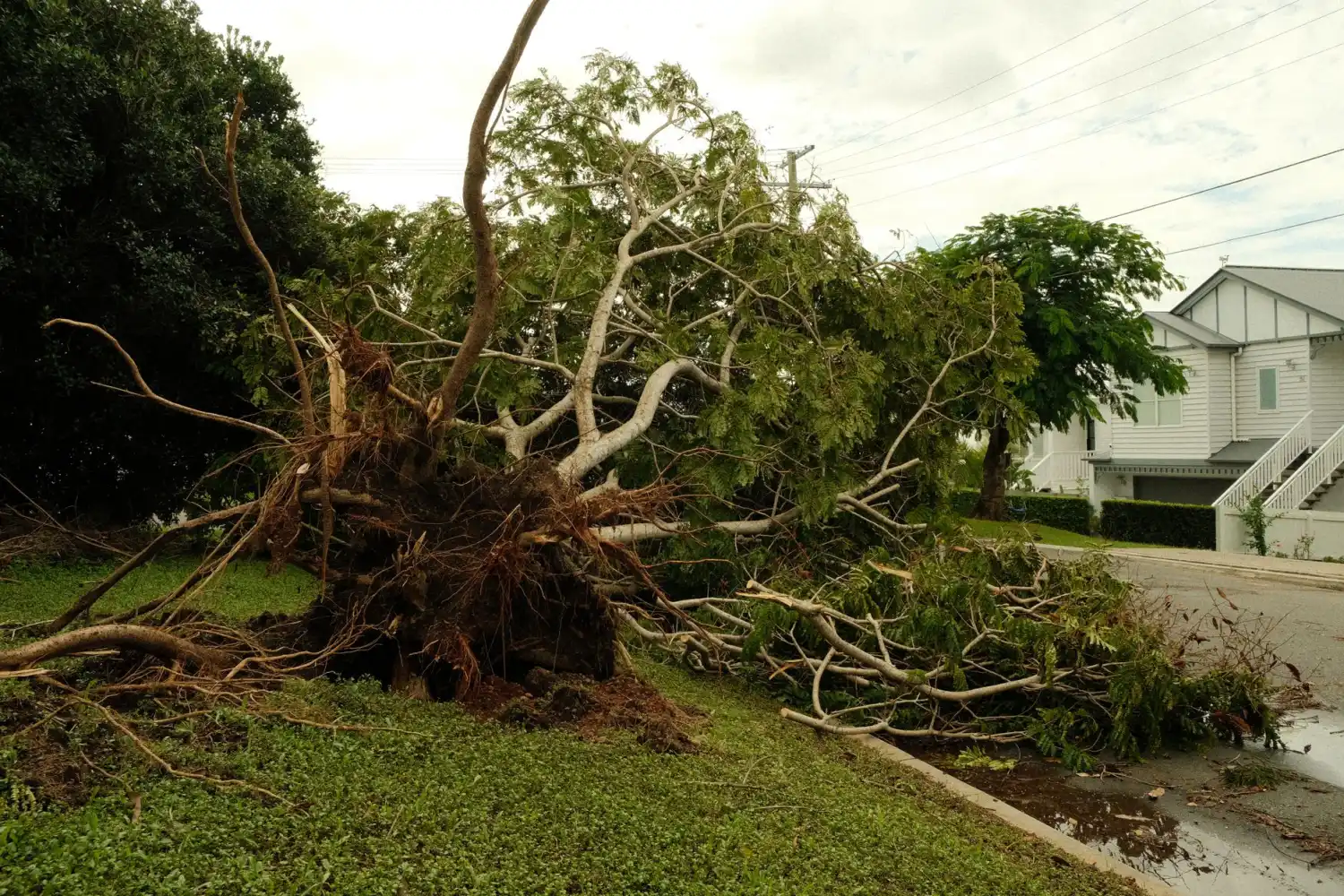
- Late winter into early spring for most species, which is what UMN Extension recommends — the tree is dormant, the structure is visible with the leaves off, and wounds close quickly as growth resumes. Oaks are the exception worth planning around, since pruning them during the growing season invites oak wilt. Storm damage and genuinely hazardous limbs get dealt with whenever they happen; season is a preference, not a rule.
- Can a tree be removed if there is nowhere to drop it?
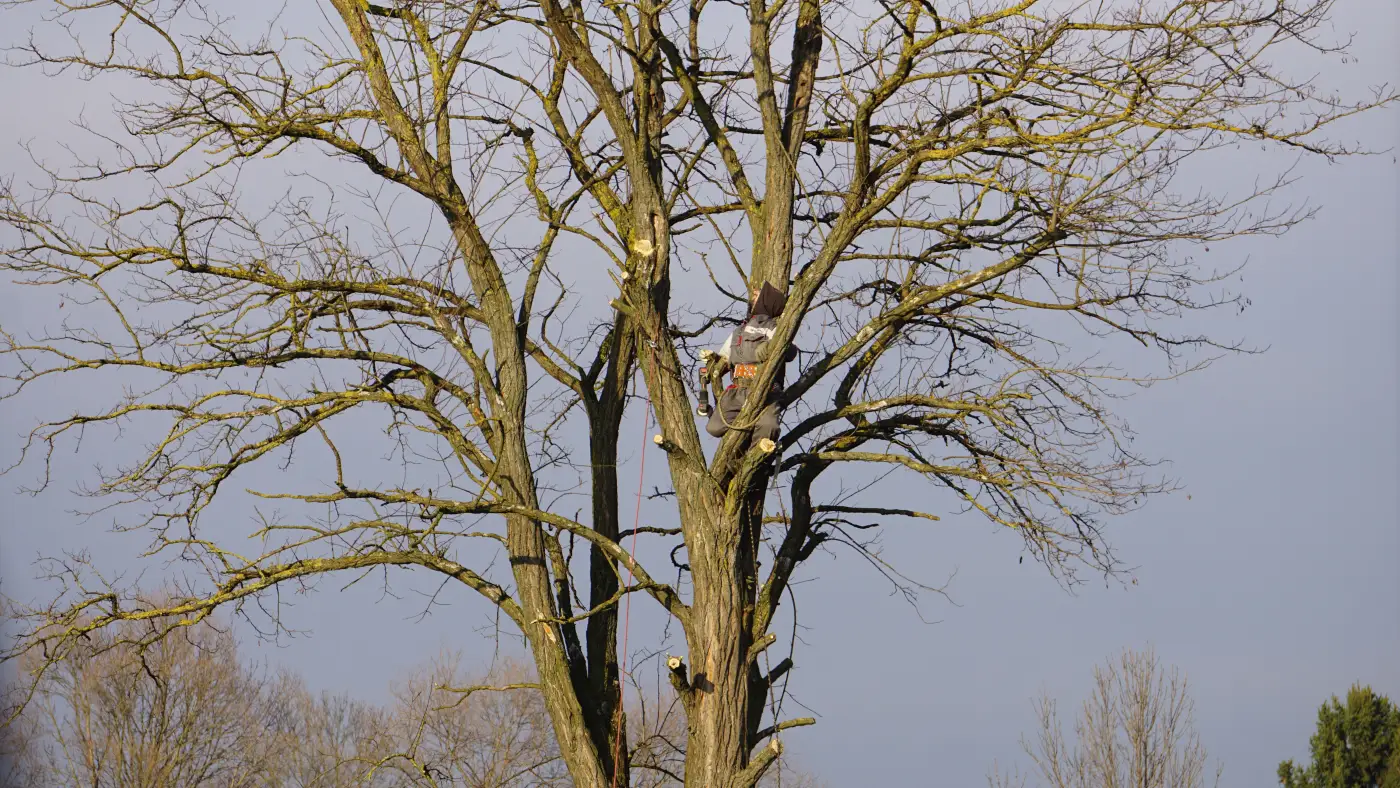
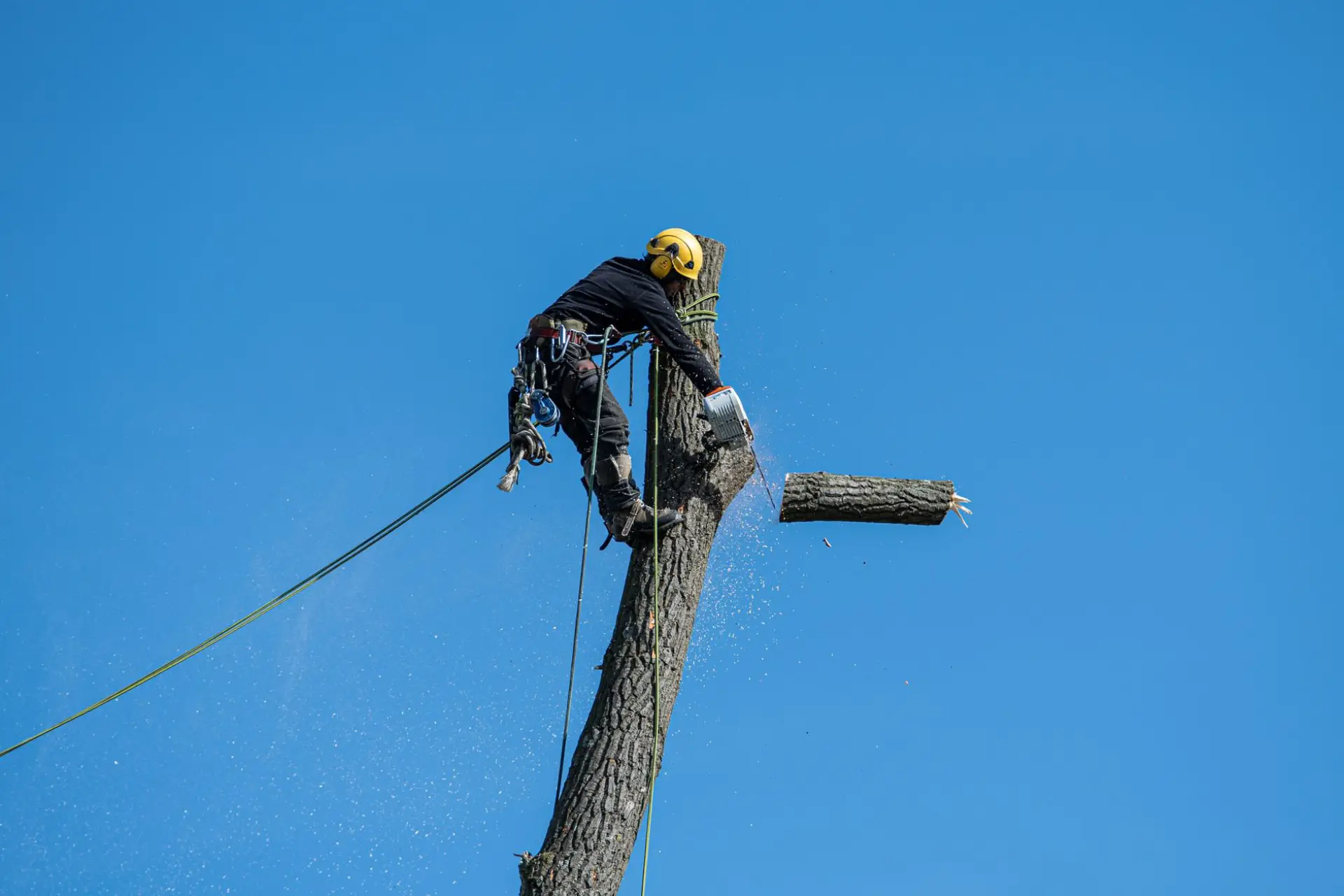
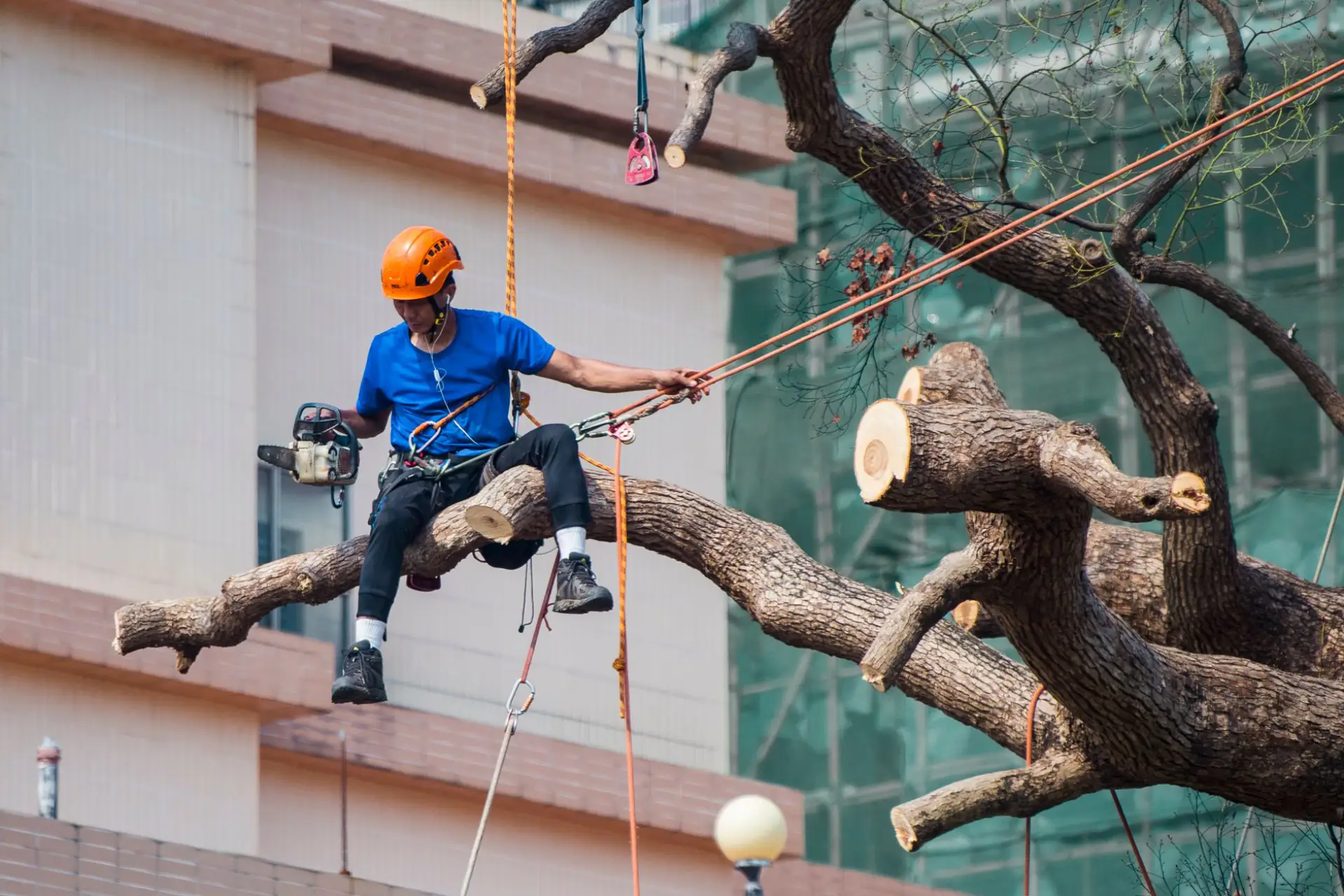
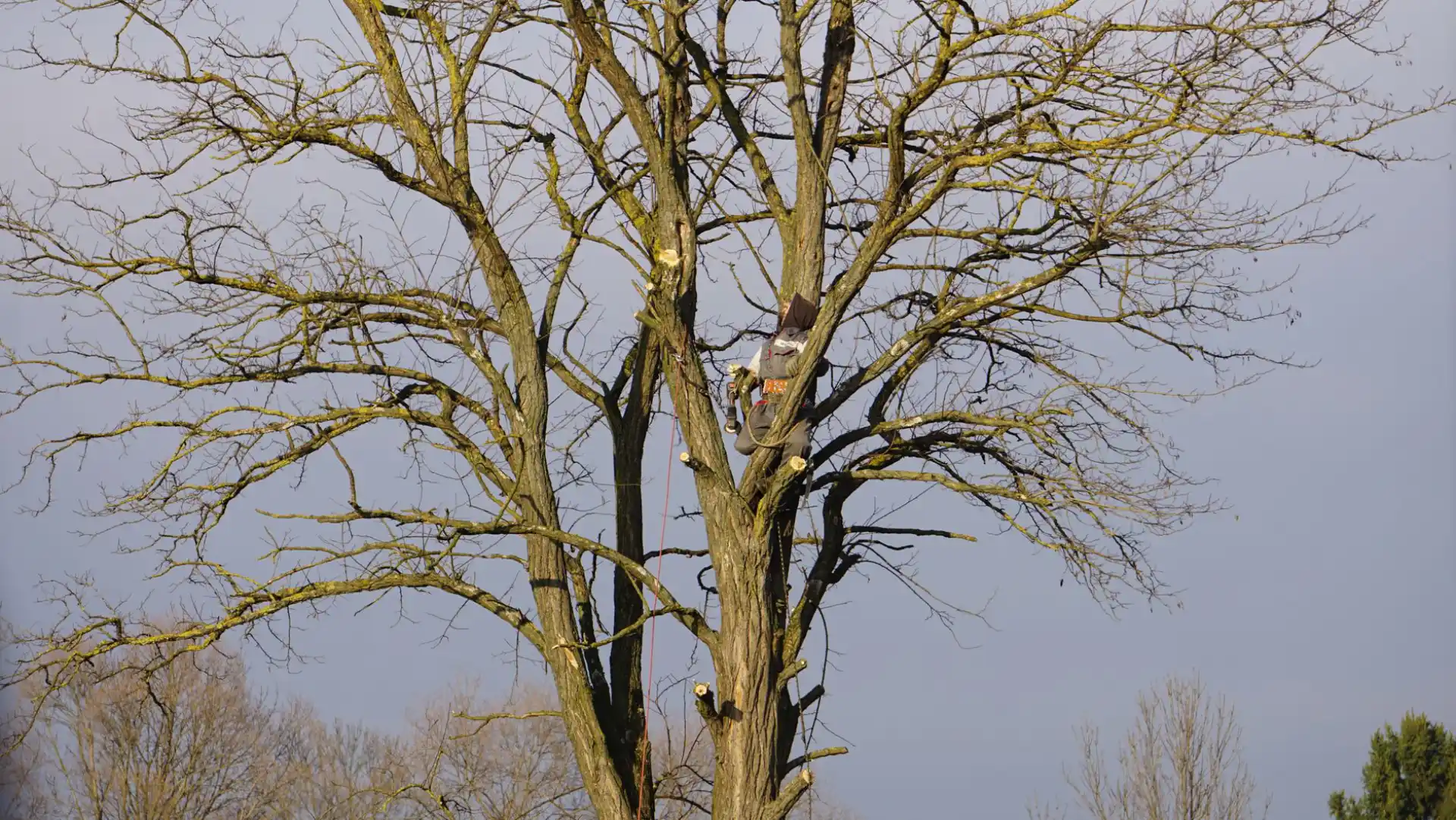
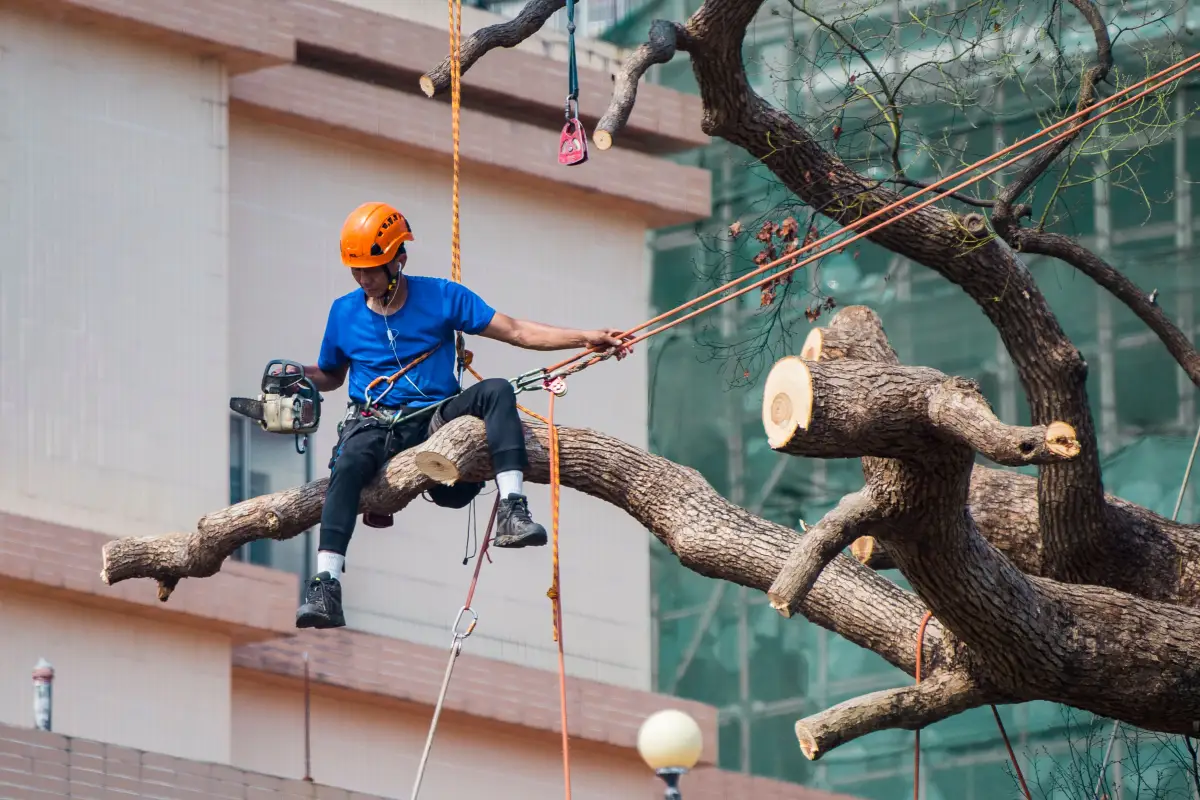
- That is the normal case in Duluth, not the exception. The tree comes apart from the top: limbs tied off and lowered on a rigging line, then the trunk blocked down in rounds onto a cleared area not much bigger than a picnic table. Where pieces have to travel sideways over a fence or a garden bed, a speedline carries them out. It takes longer than felling and it costs more, which is why access gets assessed before anything else.
- Which areas are covered?
- Duluth and the Twin Ports first — Lakeside, Congdon Park, Woodland, Piedmont, Lincoln Park and Duluth Heights — then out across St. Louis, Carlton and Lake counties in Minnesota and Douglas County in Wisconsin. That covers Superior, Hermantown, Proctor, Rice Lake, Cloquet, Esko, Carlton, Scanlon, Wrenshall, Two Harbors, Oliver, Solon Springs, Barnum and Moose Lake, each of which has its own page. If you are near the edge of that, ask rather than assuming.