Tree Service in Proctor, MN — Residential & Commercial Tree Care Specialists
Narrow lots platted around a rail yard, garages on the property line, and creek ravines dropping away toward Duluth. Every job is priced on site.
Duluth Elite Treecare is a local resource for tree removal, trimming, storm cleanup and stump grinding throughout Proctor and southern St. Louis County. We help property owners connect with experienced arborists who handle the hazard trees, crown work and cleanup that come with a compact town at the top of the hill.
Proctor is 3.36 square miles, and that number explains most of the tree work here. The town was laid out around the rail yard from 1894 onward, on a tight grid with narrow lots, alleys behind and garages sitting on or near the property line. There is almost nowhere in the city where a full-sized tree can be dropped whole, so removals get dismantled from the top with each piece roped and lowered onto a small cleared space.
The ground does the rest. Proctor sits at the top of the grade above Duluth's Bayview Heights, with Kingsbury and Knowlton creeks cutting ravines down off it. On a lot backing onto one of those ravines the drop zone is not just small, it slopes away.
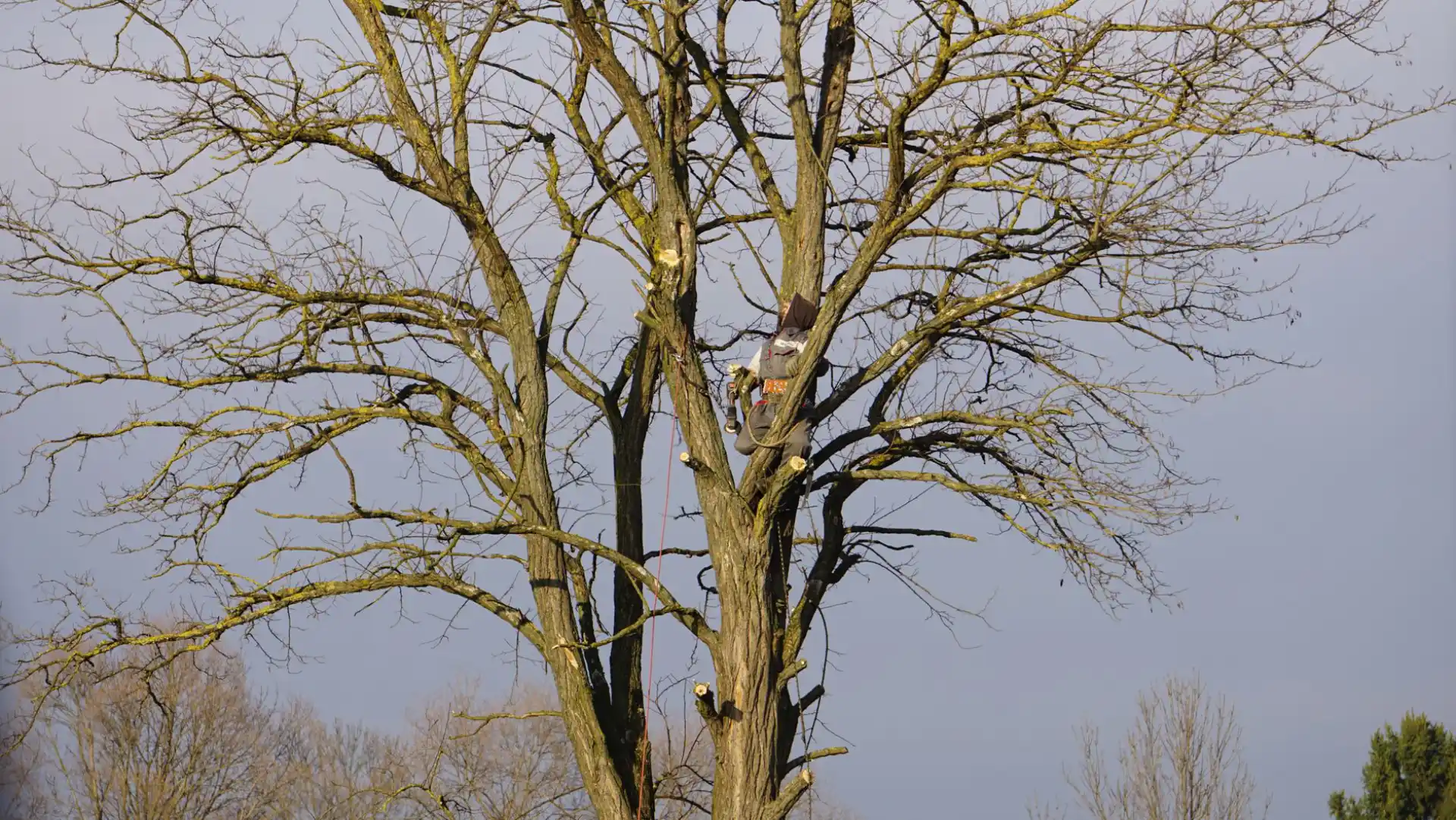
Tree Services We Offer in Proctor, MN
Tree Removal in Proctor, MN
Dead ash, oversized spruce planted too close to a house, and hazard trees on lots with a garage under them. Almost always a sectional dismantle here rather than a felling, which is why the assessment happens before the number does.
More on Tree RemovalTree Trimming in Proctor, MN
Deadwood out, end weight reduced, and clearance pruned back off roofs, alleys and overhead service drops. On lots this close together a lot of the trimming is about the neighbour's roofline as much as your own.
More on Tree TrimmingEmergency Tree Service in Proctor, MN
Trees down on houses and garages, limbs hung up over an alley, and trunks blocking a driveway. The hazard gets stabilised and access opened first; debris clearance follows as a separate visit.
More on Emergency Tree ServiceStump Grinding in Proctor, MN
Stumps ground below grade in tight yards where the machine has to come through a gate rather than a driveway. Locate first, surface roots chased where they are lifting a walk, hole backfilled with grindings.
More on Stump GrindingTree Pruning & Tree Health in Proctor, MN
Assessments, deadwooding on mature crowns, structural pruning on young trees, and cabling where a weak union is worth supporting. On small lots the value is in keeping a good tree rather than replacing it.
More on Tree Pruning & Tree HealthStorm Damage Tree Cleanup in Proctor, MN
Broken tops, hangers and fallen trunks cleared, torn stubs cut back to a proper collar, and a straight answer on which damaged trees are worth keeping and which are not.
More on Storm Damage Tree Cleanup

Residential Tree Service in Proctor, MN
Residential work in Proctor is defined by what is underneath. A modest tree three feet off a foundation with a bay window under it takes longer than a much larger tree standing alone, because every piece has to be controlled all the way to the ground rather than allowed to fall. Roof pitch, the alley, the neighbour's garage and the service drop from the pole all get walked before a price gets quoted.
Ash is the other constant. St. Louis County is under Minnesota's emerald ash borer quarantine, and a dead ash on a small lot is the worst version of the problem — brittle wood, no room to work, and something under it in every direction. That tree is cheaper and safer to take down while it is still alive.
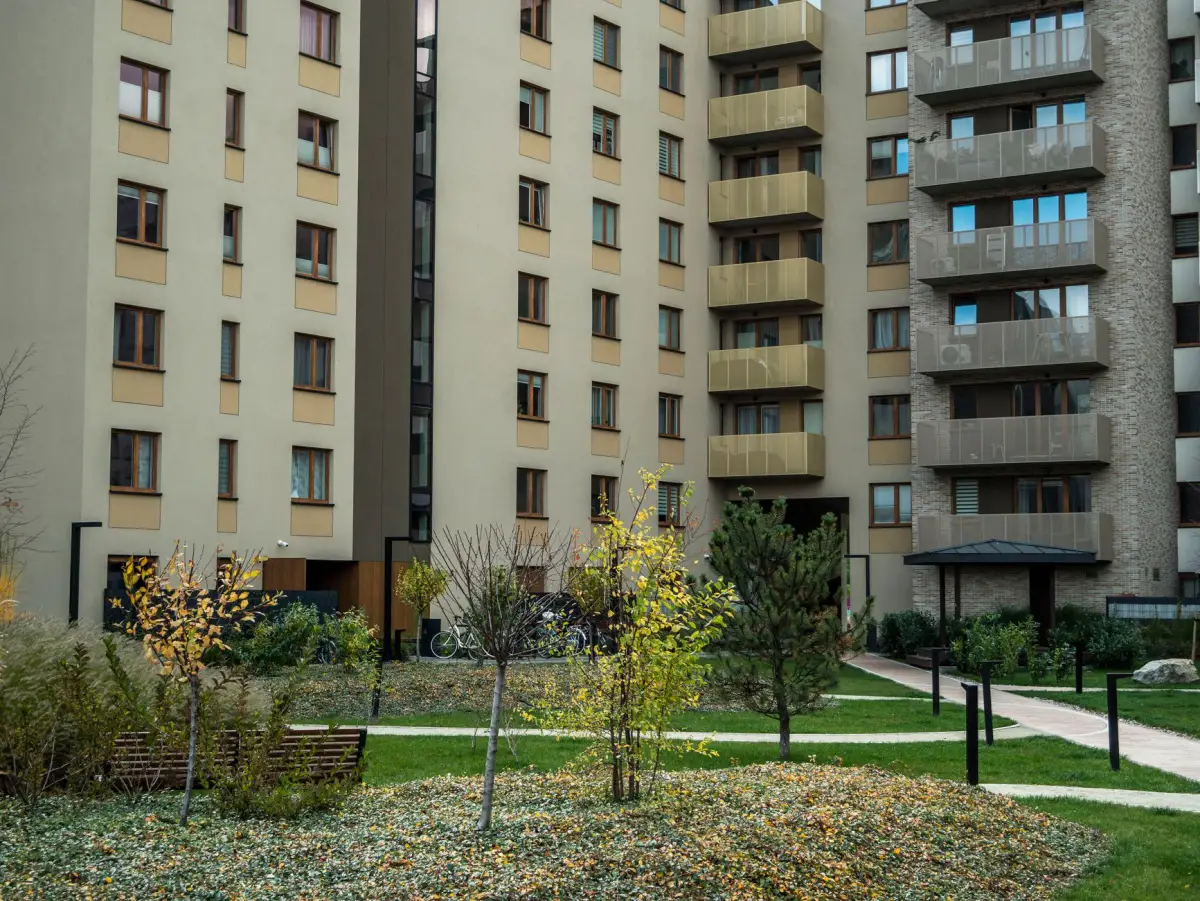
Commercial Tree Service in Proctor, MN
Commercial and civic work here covers the frontage along US 2, the fairgrounds and event ground on the south side of town, church and school properties, and rental grounds. The scheduling question is usually about events and parking rather than trading hours.
On event ground the risk sits over people in concentrated bursts rather than steadily, which changes what gets prioritised. A limb over a lot that fills once a month still needs dealing with before the month it fills. Larger multi-tree commercial projects are covered on the commercial tree removal page.
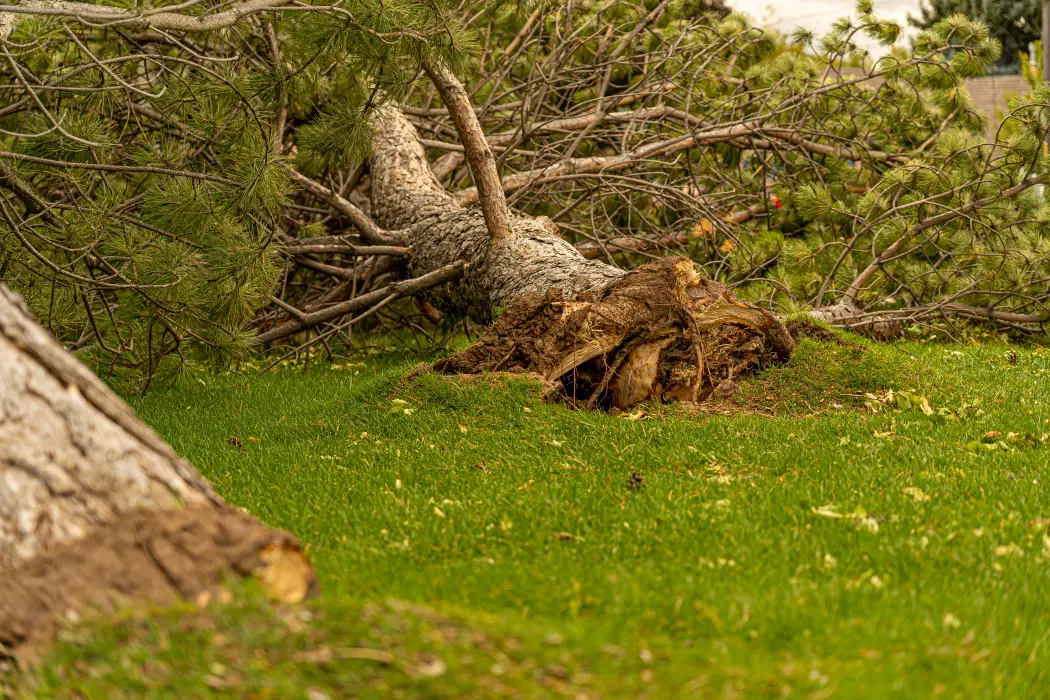
Emergency Tree Removal in Proctor, MN
The common emergency here is a tree or a large limb across a driveway or an alley, which on a lot this size can mean the property is genuinely closed off. Opening access comes first.
The second is a tree resting on a garage. Garages take a hit differently from houses — lighter framing, and often no way to get equipment to the far side of them. That job is about the order the cuts go in, because what is holding the load is frequently the thing that gets damaged if the sequence is wrong.
Our Tree Removal Process for Proctor Properties
- 1
Walk the tree and the ground under it
The assessment starts at the base and works up, and about half of it is spent looking at things that are not the tree. Where is the drop zone, and is there one at all. Can a chip truck get within hose-length of the work, or does everything have to be carried out to the street. Where is the service drop from the pole, the gas meter, the septic lid, the leach field, the paver patio that will crack under a dropped round. Then the tree itself: lean and which way it is loaded, decay at the base, co-dominant stems with included bark, the condition of the root plate, whether the upper crown is sound enough to hold a rigging point. On a Duluth hillside lot the ground answers most of the questions before the tree does. A tree with a clean drop zone gets felled. A tree with a garage under it gets dismantled, and that is a different day and a different number.
- 2
Set the rig and clear the work area
Before a saw runs, the drop zone gets cleared and roped off, vehicles get moved, and anything that cannot take a falling limb comes out of the way. If the tree is coming apart in sections, the climber sets a rigging point above the first cut and runs a lowering line through a block so each piece is under tension before it is severed. On tight urban lots that block often gets set on a neighbouring tree or an anchor at the base to redirect the load away from the house. Speedlines get rigged where limbs have to travel horizontally over a fence or a garden rather than straight down. Where the tree is dead and the wood cannot be trusted, the plan changes — a lift goes in if the grade allows, or the tree gets taken in smaller pieces on lighter rigging that does not bet on the spar holding. On a Proctor lot the block frequently has to be set on a neighbouring tree or an anchor at the base simply to pull the load away from a garage that sits closer to the trunk than any drop zone does.
- 3
Take it down in the order the site allows
A tree with room gets a face cut, a back cut and hinge wood sized to steer it, and it goes over in one piece into the cleared zone. Everything else comes down from the top. Limbs come off first, tied and lowered, working around the tree so the spar stays balanced and nothing loads it in one direction. Then the spar itself gets blocked down in rounds, each one roped and lowered rather than dropped, until the climber is low enough to fell the remaining stem safely. Spikes are used here because the tree is not staying — they have no place on a tree that is being pruned. As pieces reach the ground they get dragged clear immediately, because a cluttered landing zone is how the next piece ends up somewhere it was not supposed to go. Where a garage sits under the spar, the limbs on that side come off first and lightest, so the tree is never left loaded toward the building.
- 4
Chip, haul and rake out
Brush goes through the chipper as it comes down rather than piling up, which keeps the work area open and shortens the day. Trunk wood gets cut to whatever length was agreed — rounds stacked on site for firewood, or loaded and hauled. Where ash is involved, the destination matters: St. Louis County is inside the state emerald ash borer quarantine, and hardwood firewood cannot legally be moved out of a quarantined county unless it has been MDA-certified, so ash wood either stays local or goes to an approved site. The stump gets cut as low and level as the root flare allows, which makes grinding cheaper later if you want it done. Then the area gets raked out, chips blown off hard surfaces, and the drive and lawn checked for ruts before anyone leaves. With no room to stack rounds on most lots here, hauling the trunk wood is usually the default rather than the upgrade, and it belongs on the quote as its own line.
Access Sets the Price Here, Not Trunk Diameter
A phone number and a truck in the driveway don't make a company. Here's what's actually different about ours for a job in Proctor, MN.
Storm Work Is Triaged, Not Queued
A trunk across the only way out, a limb hung up over a walkway, a tree leaning on a roof. Emergency calls are about making the hazard safe and reopening access first — the debris clearance gets scheduled after, and priced separately. Combining the two at emergency rates is where disputed storm bills come from.
The Estimate Happens On Site
Access and drop zone are the price, and a photo hides both. Expect someone to walk the ground, name the actual defect out loud, and put the number in writing before a saw runs.
Cleanup Is a Line Item
Chipped and hauled, rounds stacked in the yard, stump cut low for grinding later — those are different jobs at different prices. Agree which one you are buying before the work starts, because that is where the disputes land.
Nobody Offers to Top Your Tree
Topping does not fix a hazardous tree, it creates one, and a company that offers it as a cheaper alternative to proper crown work has told you what standard the rest of the job is held to. Spikes belong on removals only, never on a tree that is staying.

Why Proctor Property Owners Need Professional Tree Care
A grid platted around a rail yard
The town began as Proctorknott in 1894 and was shortened to Proctor in 1904, built around the yard on lots sized for railroad housing rather than for landscaping. What that leaves today is a city where the majority of removals are sectional dismantles by default. It is worth knowing that going in, because a quote that assumes a felling on one of these lots is a quote that has not been on the property.
Ravines off the Kingsbury and Knowlton creeks
Both creeks cut down off the grade toward Duluth, and the lots that back onto them have a drop zone that falls away rather than lying flat. Anything lowered onto sloping ground keeps travelling once it lands, so the rigging plan there has to hold each piece to a stop rather than simply to the ground. These are also the properties where hauling brush out costs real time, because the chipper cannot get to where the tree is.
The rail corridor is not your fence line
Plenty of properties back onto railroad ground, and the trees along that boundary are a frequent source of confusion. Vegetation inside a railroad right of way belongs to the railroad, not to the adjacent owner, and a homeowner arranging its removal is arranging work on somebody else's property. If a leaning tree on that side worries you, the first call is to the railroad rather than to a contractor.
Where the wood ends up
St. Louis County sits inside Minnesota's emerald ash borer quarantine. Ash logs, ash chips and mulch, and all non-coniferous firewood cannot leave a quarantined county without a certificate from the Minnesota Department of Agriculture. On a small lot there is rarely room to stack rounds anyway, so most Proctor jobs end with the wood hauled — which is a separate line on the price and should be written down as one.
Areas We Serve Throughout Proctor
The old grid near the yard
Narrow lots, alleys, garages close to the line and mature trees between houses. Rigging space and the overhead service drop decide the method on nearly every job here.
The south side and the fairgrounds
More open ground around the fairgrounds and event property, where the occasional job genuinely can be felled rather than dismantled — the exception in this city rather than the rule.
The streets running toward Bayview Heights
The eastern edge of town where the grade starts to drop toward Duluth. Slope adds a step to every rigging plan and a real cost to getting brush back out to the truck.
When We’re Not the Right Call
- The tree is inside the railroad right of way. That is the railroad's vegetation to manage and not the adjacent owner's, no matter which way it leans.
- The tree is a boulevard tree between the sidewalk and the street. That is public ground, and arranging private work on it is arranging work on somebody else's tree.
- The tree is growing into a power line. Line clearance is handled by the utility that owns the line, normally at no cost to you, and that call goes to them first.
- It is a sapling under about four inches through. A pole saw and an afternoon handles it, and a crew with a chipper is the wrong tool for the job.
- The tree is healthy, well-placed and simply large. Big is not a defect, even on a small lot. What matters is whether a defect and a target line up.
- It is an oak and it is April through July. Minnesota DNR guidance is not to prune or cut oaks in that window because of oak wilt, so unless a limb is an active hazard it waits for winter.
Frequently Asked Questions
- Do you serve Proctor, MN?
- Yes. Proctor is 6.4 miles west-southwest of Duluth in a straight line, on US 2 and Interstate 35. The whole city is covered, including the lots backing onto the creek ravines on the eastern edge.
- Can a big tree be removed if there is no room to drop it?
- That is the normal case in Proctor rather than the exception. The tree comes apart from the top: limbs tied off and lowered on a rigging line, then the trunk blocked down in rounds, each one roped and lowered onto a cleared space that might be the size of a picnic table. Where limbs have to travel sideways over an alley or a garage, a speedline carries them out. It takes longer than felling and it costs more, which is why access gets assessed before anything else.
- Who is responsible for the trees along the railroad line?
- The railroad. Vegetation inside a railroad right of way is managed by the railroad, not by the property owner next to it, and a homeowner who hires a contractor to cut it is hiring work on land that is not theirs. If a tree on that boundary is leaning toward your property, report it to the railroad and keep a record of when you did.
- There is no driveway access to my back yard. Is that a problem?
- It is a cost, not an obstacle. Where a chip truck cannot get close, every piece of brush and every round has to be carried out to the street by hand, and that time goes on the price. It is worth pointing out the gate width and any fixed obstacles when the estimate is being done, because a machine that cannot fit through a gate changes the plan on the day if nobody checked first.
- What does tree service cost in Proctor?
- Quoted per job on site. On lots this size the two things that move the number are how many separate pieces have to be roped and lowered, and how far the material has to be carried to reach the truck. Neither is visible in a photo. Get it in writing with the cleanup itemised, because chipped and hauled versus rounds left stacked is a real difference on a lot where there is nowhere to stack anything.
Learn More
- Minnesota Department of Agriculture — Emerald Ash Borer Quarantine — Which counties are quarantined, what counts as a regulated article, and the certificate needed before ash wood or hardwood firewood leaves a quarantined county.
- Minnesota DNR — Tree Care and Forest Health — State guidance on tree condition, the pests and diseases active in Minnesota, and the oak wilt restriction on pruning or cutting oaks April through July.
- UMN Extension — Pruning Trees and Shrubs — Correct cut placement at the branch collar, why topping is not a treatment, and seasonal timing for most species grown in this part of the state.
Need Tree Service in Proctor, MN?
Tell us what’s going on and get an immediate on-site quote — no charge for the estimate, and no obligation to book it.
Get My Free Estimate