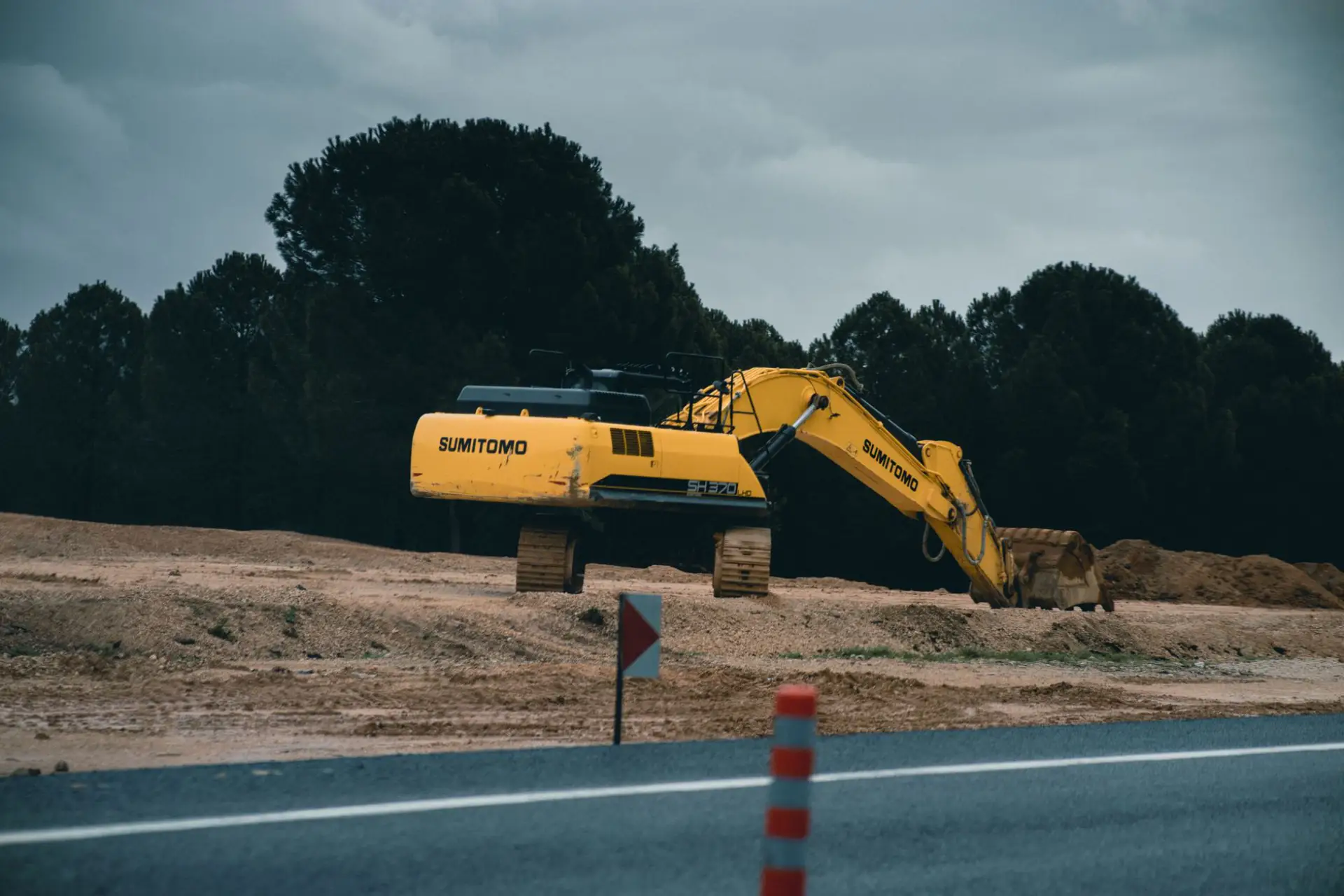
Land Clearing in Duluth, MN — Residential & Commercial Lot Clearing Specialists
Trees down, brush out, stumps and root mass gone, ground left workable. Slope, shoreland and permit constraints checked before the first machine moves.
Land Clearing in Duluth, MN
Duluth Elite Treecare is a local resource for lot and land clearing throughout Duluth, the Twin Ports and the surrounding Northland. We help property owners connect with experienced professionals who clear ground for building, access and reclamation — and who check what the site is allowed to have done to it first.
Land clearing in Duluth runs into rules more often than it does anywhere flat. State shoreland standards prohibit intensive vegetation clearing in shore impact zones, bluff impact zones and on steep slopes, allowing only limited clearing for a view from the dwelling or for access. A grading and filling permit is required for moving more than ten cubic yards of material on steep slopes or within shore and bluff impact zones, and more than fifty cubic yards elsewhere in the shoreland district. Duluth also carries a natural resources overlay in its zoning, and the DNR worked with the city on protecting waterways — property within roughly 300 feet of a river or lake needs specific consideration. Finding that out after the excavator arrives is expensive.
The physical constraint is the same one that shapes every other tree job here. Soil is thin over rock across much of the hillside, the clay holds water after a thaw, and the grade means a cleared slope starts moving in the first hard rain if the root structure comes out all at once. That changes the sequence — clearing that leaves stabilising root mass in place until the ground is ready for it costs a little more time and saves an erosion problem that is much harder to fix afterwards. Anyone quoting a Duluth lot the same way they would quote flat ground outside town has not accounted for the part that matters.
What’s Included in a Duluth Land Clearing Quote
- Site walk covering slope, drainage, proximity to water, and what the zoning and shoreland rules allow
- Gopher State One Call locate placed before any ground is broken, as Minnesota law requires
- Tree removal across the clearing area, felled and processed on site where there is room
- Brush and understory cleared, with invasive growth identified rather than just cut
- Stumps ground or root mass excavated, depending on what is going on the ground afterwards
- Material chipped, stacked, or hauled, and the ground left graded and stabilised as agreed
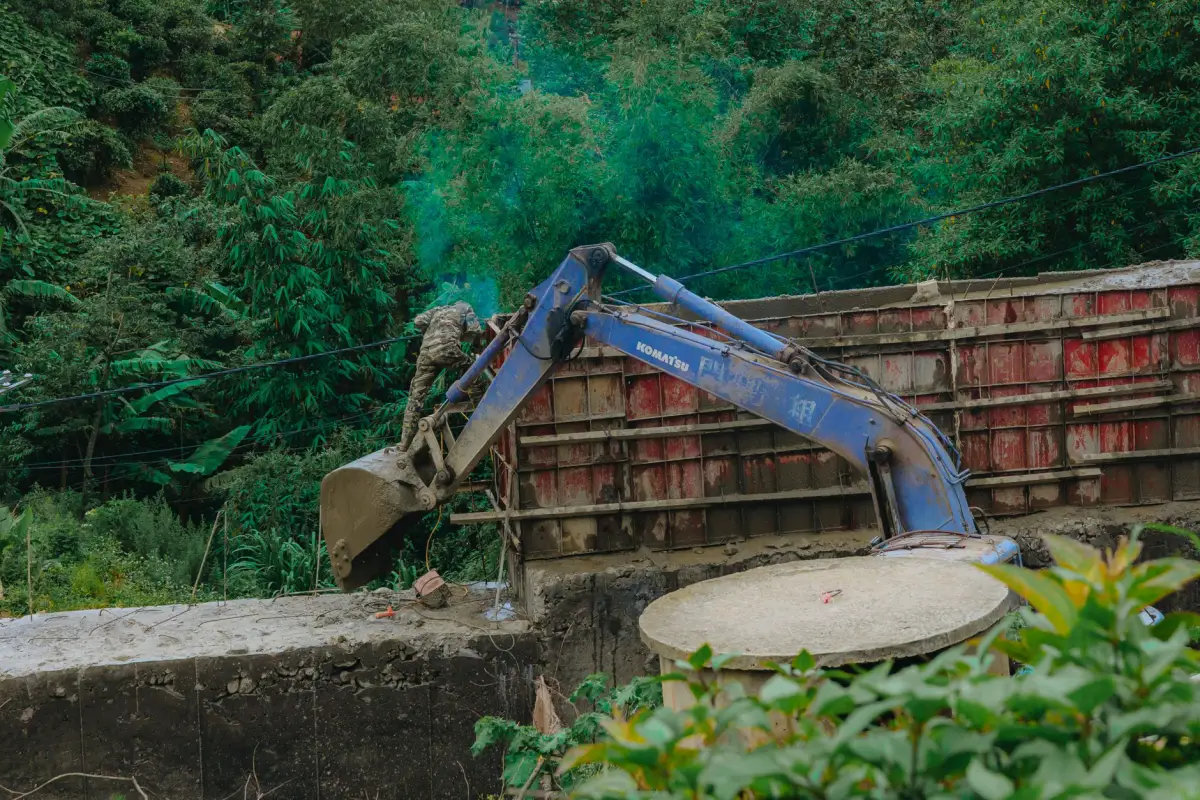
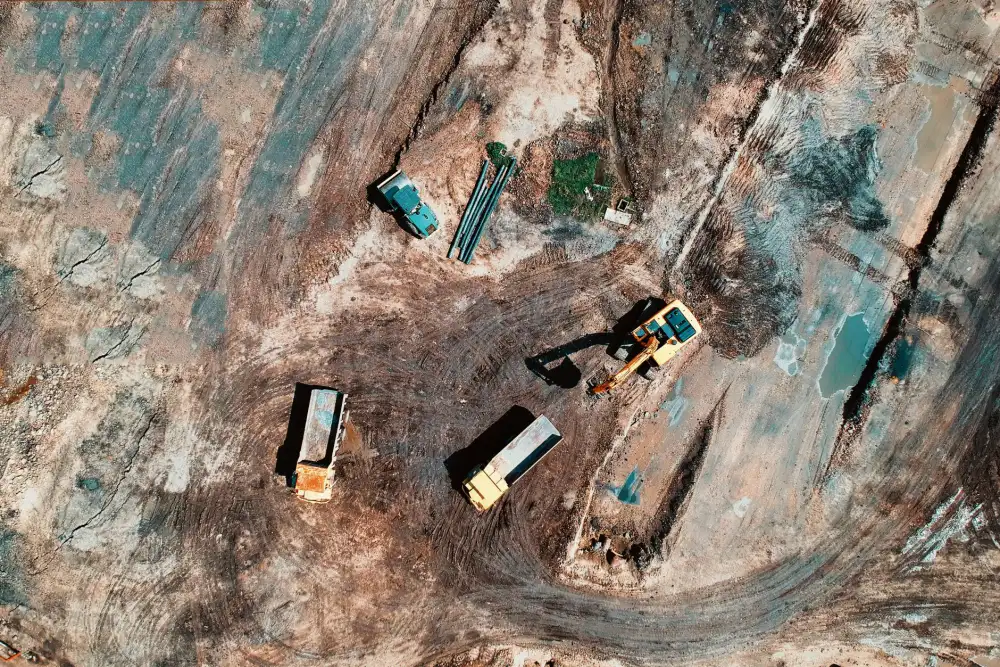
Lot & Land Clearing in Duluth, MN

Residential Lot Clearing
Clearing a residential lot is normally about making a specific thing possible — a house, a garage, a driveway up a grade, a usable back yard where there is currently woods. The scope worth arguing about is how much comes out. Clearing the whole lot is faster to quote and almost always the wrong answer on a Duluth parcel, because the mature trees you keep are worth more than the ones you remove and because bare ground on this grade does not stay put. Marking a building envelope and a working margin, then clearing to that line, is more work up front and produces a property that still has trees on it when the build is finished.
Tree & Brush Clearing
The bulk of the work on most lots: standing timber down, understory out, and the two handled as one operation rather than sequentially, because dropping trees into cleared ground is faster and safer than dropping them into a thicket. Trees get felled where there is room to do it and dismantled where there is not, which on a narrow or steep parcel can be a significant share of them. Brush feeds a chipper as it comes out. What separates this from ordinary brush work is that the ground itself is the deliverable — the site has to end up usable, so material handling and where the piles go get planned before cutting starts rather than solved afterwards.
Overgrown Property Clearing
Reclaiming a parcel that has been left alone for twenty or thirty years is a different problem from clearing a wooded lot, because what has grown in is rarely worth keeping. Expect dense buckthorn, volunteer ash and box elder, deadfall buried under live growth, and often old fencing, wire and debris grown through by stems. Common and glossy buckthorn are Restricted noxious weeds in Minnesota and cannot legally be transported, which shapes disposal. The realistic conversation on this kind of site is about follow-up: clearing an overgrown parcel exposes a seed bank that will produce a flush of regrowth within two seasons, and a plan for that is part of the job rather than an afterthought.
Land Clearing for New Construction
Clearing ahead of a build has to serve the build, which means the sequence is set by the schedule rather than by what is convenient for the clearing. Access first, so material and machines can get on site. Then the building envelope, cleared to the line the plans need, with stumps and root mass excavated rather than merely ground where footings or slab are going, since decaying root wood settles and nothing solid should sit on it. Erosion control goes in as ground is exposed rather than at the end, which on Duluth's grade is not optional. Permitting has to be settled first: grading and filling permits kick in at ten cubic yards on steep slopes or in shore and bluff impact zones.
Land Clearing for Property Improvements
Smaller-scale clearing to make something specific possible — a shop, a shed, a paddock, a garden, a driveway extension, a view opened toward the lake. These jobs are usually where the shoreland rules bite hardest, because opening a view is exactly the activity the standards address: limited clearing and trimming is allowed to provide a view to the water from the principal dwelling and for access paths, and intensive clearing in the shore impact zone, bluff impact zone or on steep slopes is not. In practice that means a view gets opened by selective removal and crown work rather than by taking the bank down, which produces a better result anyway.
Signs You Need Land Clearing
- You have a wooded or overgrown parcel and a specific plan that needs open, workable ground
- A build, addition, garage or driveway is scheduled and the site has to be cleared to a defined envelope
- A property has been left unmanaged for decades and has gone to dense woody growth and deadfall
- Access to part of your land is blocked by growth, deadfall or standing timber
- You need a defensible margin cleared around buildings, or sightlines opened along a drive
- An existing cleared area is closing back in and needs reclaiming before it becomes a bigger job
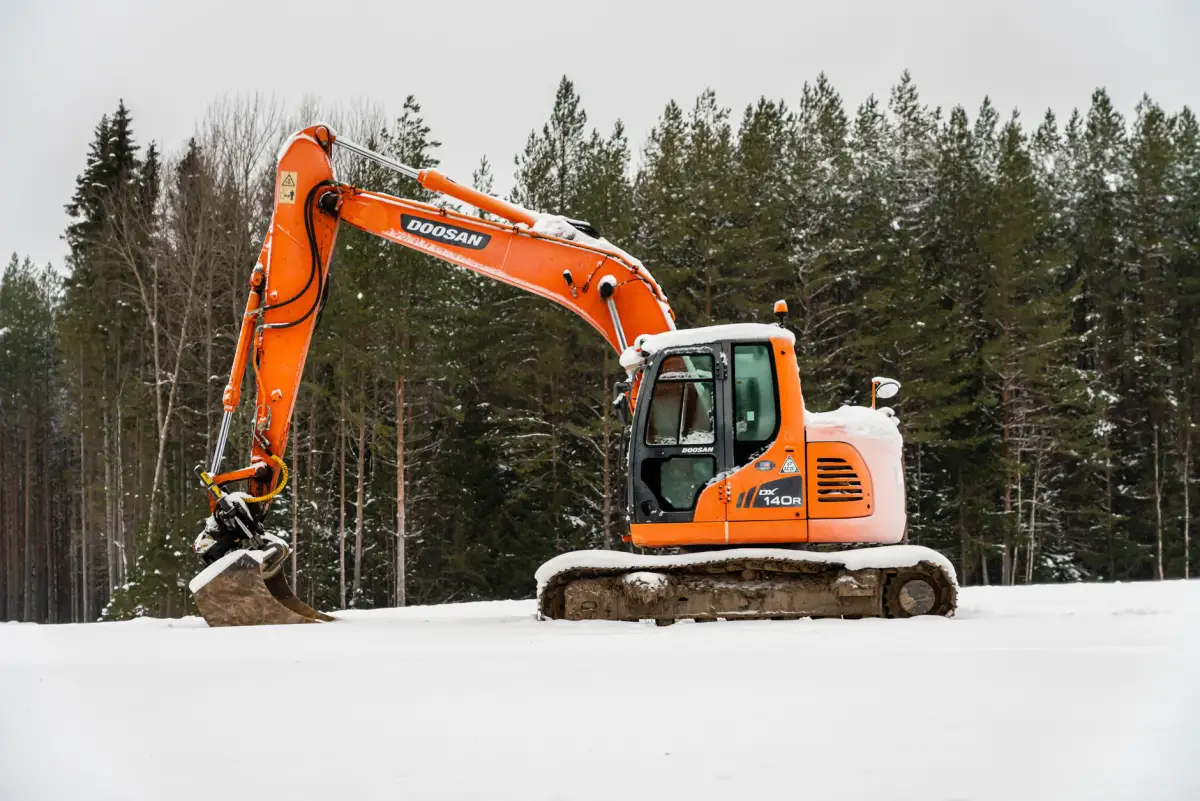
How Land Clearing Works
- 1
Establish what the site is allowed to have done to it
This step happens before pricing, not after, because it can change the scope entirely. Where does the parcel sit relative to water — the DNR worked with Duluth on waterway protection, and a property within roughly 300 feet of a river or lake carries specific considerations, which along the Lester and Chester creek corridors and the Lake Superior frontage covers a lot of ground. How steep is it, since state shoreland standards prohibit intensive vegetation clearing in shore impact zones, bluff impact zones and on steep slopes. How much material is moving, because a grading and filling permit is triggered by more than ten cubic yards on steep slopes or within shore and bluff impact zones, and more than fifty cubic yards elsewhere in the shoreland district. Duluth's zoning also carries a natural resources overlay. And the property line gets established properly, because clearing across one is not a fixable mistake.
- 2
Mark the clearing line and place the locate
The clearing limit gets flagged on the ground rather than described in a quote, and it is worth walking it with whoever is paying before a machine moves. Clearing everything is easy to quote and usually wrong — mature trees left standing are worth more than the ones removed, and on Duluth grade the roots that stay are holding the site together. Trees being retained get marked and, where machines will work near them, protected at the drip line, since root compaction from tracked equipment kills trees slowly enough that nobody connects the two. Then the utility locate: Minnesota Statute Chapter 216D requires a Gopher State One Call request at least two full business days ahead of digging, placed by the contractor, and on a rural or long-vacant parcel there is frequently more buried than anyone remembers.
- 3
Take the timber and brush down in a planned sequence
Access comes first so material and equipment can move without driving over ground that has to stay intact. Then the standing timber, felled where there is room and dismantled in sections where there is not, working so trees drop into already-cleared ground rather than into standing brush. Understory and brush come out alongside rather than afterwards, feeding a chipper as they are cut. Material gets sorted as it comes down: sawlog, firewood, chip and waste all go to different places, and deciding that mid-job wastes handling. Two legal constraints shape disposal — buckthorn is a Restricted noxious weed that cannot be transported, and St. Louis County sits inside the state emerald ash borer quarantine, so hardwood firewood cannot leave the county unless MDA-certified. On slopes, clearing proceeds in stages so the whole face is never bare at once.
- 4
Deal with the stumps, grade, and stabilise
What happens to stumps depends on what the ground is for. Under a footing, slab or driveway, the stump and root mass get excavated out entirely, because decaying wood settles unevenly and nothing structural should sit on it. Under lawn or open ground, grinding is enough and far less disruptive. Grade work follows, keeping drainage moving away from where buildings will go rather than concentrating it into one channel down the slope. Then stabilisation, which on Duluth's clay is the step that determines whether the site is still where it was after the first heavy spring rain — seeding, matting or cover on exposed slopes, put in as ground is opened rather than saved for the end. The last item is honest: a cleared parcel will produce regrowth, particularly where buckthorn was present, and the follow-up belongs in the plan.
What Does Land Clearing Cost in Duluth, MN?
- Area to be cleared and, more importantly, the density and size of what is standing on it
- Slope and ground conditions, which decide what equipment can work and whether staged clearing is needed
- Whether stumps are ground or excavated with the root mass, which is a large difference in cost and disruption
- Volume of material generated and whether it is chipped on site, stacked, or hauled off
- Permitting — grading and filling permits, shoreland constraints, and any survey work needed to fix the line
- Access to the parcel for machinery, and whether a working access has to be cut before clearing can start
- Erosion control and stabilisation, which on steep Duluth ground is a real line item rather than a formality
The number that ruins land clearing budgets is not the clearing, it is the stumps and the material. Excavating root mass for a building pad is a different order of work from grinding stumps under a future lawn, and hauling material off site costs multiples of chipping it where it stands. Both should be separate lines in the quote. The other one to settle early is permitting — a grading and filling permit triggers at ten cubic yards on steep slopes or in a shore or bluff impact zone, and discovering that mid-project stops the job rather than slowing it.
What to Look for in a Duluth Land Clearing Contractor
They raise permitting before pricing
Shoreland zones, steep slopes and the grading threshold change what is legal on a site. A contractor who has not asked where the parcel sits relative to water has not scoped it.
They argue for keeping trees
Clearing everything is the easy quote. The mature trees you keep are usually worth more than the ones that come out, and their roots are holding your slope.
They plan erosion control into the sequence
On Duluth clay, stabilisation goes in as ground is opened, not after the last machine leaves. Anyone treating it as a final tidy-up has not worked this grade.
They separate stump grinding from root excavation
One is a lawn solution and one is a building solution, and the price gap is large. A quote that says only "stumps removed" is unfinished.
They tell you about regrowth
A cleared parcel produces a flush of seedlings within two seasons, worse where buckthorn was present. That follow-up is part of the project, not a surprise.
Residential & Commercial Land Clearing
Residential
Building sites, driveway routes, reclaiming overgrown parcels and opening usable ground around a home. Most residential clearing here is a defined envelope on a wooded or overgrown lot rather than a whole-parcel strip.
Commercial
Development sites, construction lots and larger-scale vegetation removal staged around a build schedule. Commercial site work has different sequencing, phasing and coordination requirements — see the commercial land clearing page.
When Land Clearing Isn’t the Right Call
- The parcel sits in a shore impact zone, a bluff impact zone or on steep slopes and you want it cleared intensively. State shoreland standards prohibit that. Limited clearing for a view from the dwelling or for an access path is permitted, and that is a different, smaller job worth doing properly.
- You want the whole lot taken to bare ground because it is simpler. On Duluth's grade and clay, that trades a clearing problem for an erosion problem, and erosion is the more expensive of the two to fix.
- It is understory brush and saplings with the mature trees staying. That is brush clearing — smaller equipment, lower cost, and no permitting complications.
- You have not established the property line. Clearing onto a neighbour's ground is not a reversible mistake, and the city does not arbitrate that dispute afterwards.
- You want a lake view opened by taking the bank out. The rules allow selective clearing and trimming for a view from the principal dwelling — which, done as removal of specific stems and crown work, gives a better result than a stripped bank anyway.
- The job is a single tree or a handful of them. That is a removal, quoted per tree, without the mobilisation cost of a clearing operation.
Frequently Asked Questions
- Do I need a permit to clear land in Duluth, MN?
- Often, and it depends on where the parcel sits and how much material moves. A grading and filling permit is required for moving more than ten cubic yards on steep slopes or within shore and bluff impact zones, and more than fifty cubic yards elsewhere in the shoreland district. State shoreland standards also prohibit intensive vegetation clearing in those zones outright. Duluth's zoning carries a natural resources overlay as well, and property within roughly 300 feet of a river or lake needs specific consideration. Settle this before scoping the work, because it can change what the site is allowed to have done to it.
- How much does land clearing cost per acre?
- Per-acre pricing is unreliable here because density and terrain vary so much. An acre of light scrub on flat ground and an acre of mature timber on a hillside above a creek are different projects with different equipment. The variables that move the number most are what is standing on it, whether stumps get ground or excavated, whether material is chipped on site or hauled, and how much erosion control the grade demands. Expect a quote after a site walk rather than a rate over the phone.
- What is the difference between land clearing and brush clearing?
- Scope and what happens to the ground. Brush clearing removes understory, thickets and saplings while leaving the mature trees and the ground surface largely intact. Land clearing takes a site down to workable ground — standing timber, stumps, root mass and grading — usually so something can be built or used there. Land clearing needs bigger equipment, generates far more material, and can trigger permitting that brush work does not.
- Do the stumps have to come out?
- It depends on what goes on that ground. Under a footing, slab, driveway or anything structural, the stump and root mass get excavated out entirely, because decaying wood settles unevenly and undermines whatever is above it. Under future lawn or open ground, grinding is enough, cheaper and far less disruptive. Those two are a large price difference, so a quote that says only "stumps removed" should be pinned down before it is accepted.
- What happens to the trees and material that come off the site?
- It gets sorted as it comes down — sawlog, firewood, chip and waste all go different places, and deciding mid-job means handling everything twice. Chipping on site and spreading or stockpiling is usually the cheapest route. Two rules constrain hauling: buckthorn is a Restricted noxious weed in Minnesota and cannot legally be transported, and St. Louis County is inside the state emerald ash borer quarantine, so hardwood firewood cannot leave the county unless it is MDA-certified.
- Will a cleared lot erode?
- On Duluth's grade and clay, yes, if nothing is done about it. That is why stabilisation belongs in the sequence rather than at the end — seeding, matting or cover going onto exposed slopes as ground is opened, and clearing done in stages so a whole face is never bare at once. It is also the strongest practical argument for keeping more trees than the minimum: the root structure that stays is what holds the site together while everything else establishes.
Learn More
- Minnesota DNR — Shoreland Regulations and Administration — The state standards covering vegetation clearing in shore and bluff impact zones, steep slopes, and the grading and filling permit thresholds.
- City of Duluth — Zoning Regulations — Duluth's zoning code including the shoreland, stormwater and natural resources overlay districts that apply to clearing and site work.
- Gopher State One Call — Minnesota's 811 service and the Chapter 216D requirement for a locate at least two full business days before any excavation.
Need Land Clearing in Duluth, MN?
Tell us what’s going on and get an on-site estimate — no charge for the visit, and no obligation to book the work.
Get My Free Estimate