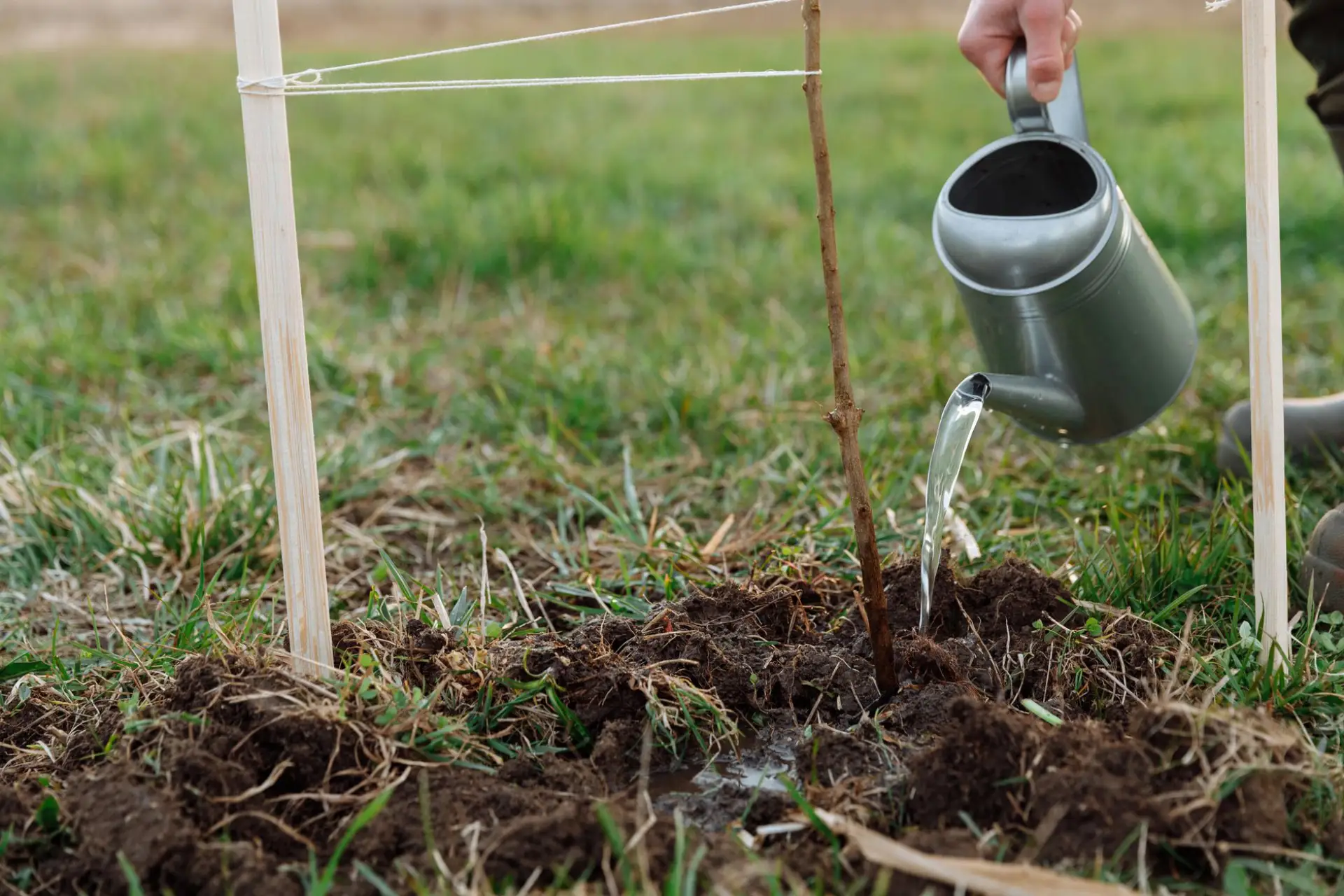
Tree Planting in Duluth, MN — Residential & Commercial Tree & Shrub Planting
Right species, right spot, planted at the right depth. Most trees that fail here were killed at planting, not by the winter.
Tree Planting in Duluth, MN
Duluth Elite Treecare is a local resource for tree and shrub planting throughout Duluth, the Twin Ports and the surrounding Northland. We help homeowners connect with experienced tree care professionals who put trees in the ground so they are still there in thirty years.
Most young trees that die in this city were killed on the day they went in. Planted too deep is the leading cause — the root flare buried under several inches of soil and mulch, which keeps the trunk permanently wet and eventually girdles it. Second is a root ball left circling in the shape of the pot it came from. Third is mulch piled against the bark in a cone, which is the arrangement most likely to be seen on a new planting and least likely to help it. UMN Extension is specific about the alternative: three to six inches of coarse mulch spread in a four to six foot circle, kept off the trunk.
The species question in Duluth got sharper after emerald ash borer arrived in 2015. The city counts roughly 3,000 boulevard ash, second only to maple, which is exactly the kind of concentration that turns one pest into a citywide problem. The lesson for a private yard is the same at smaller scale: planting three of the same thing because it is what the garden centre had is how you lose all three at once. Site conditions narrow it further here — thin soil over rock on the hillside, clay that stays saturated after a thaw, salt spray along the arterials, and exposure that is entirely different on a Lakeside lot than in a sheltered Woodland yard.
What’s Included in a Duluth Tree Planting Quote
- Site assessment — soil depth, drainage, exposure, overhead and underground constraints, mature size of what is going in
- Species selection suited to that specific spot rather than to a catalogue
- Planting at the correct depth with the root flare visible at finished grade
- Circling and girdling roots cut and the root ball teased out rather than dropped in as it came
- Mulch to UMN Extension's spec — three to six inches, four to six foot circle, kept off the trunk
- Staking only where the site genuinely needs it, with a removal date agreed rather than left on

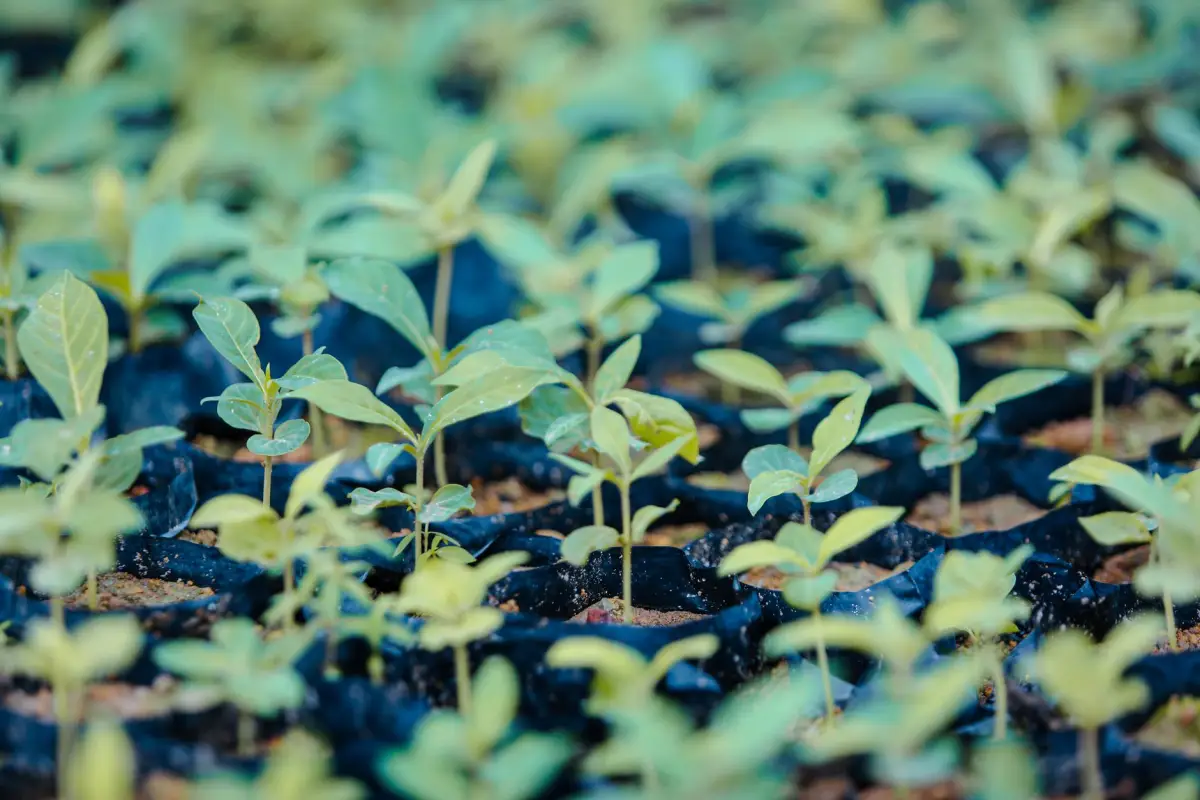
Tree & Shrub Planting Services in Duluth, MN
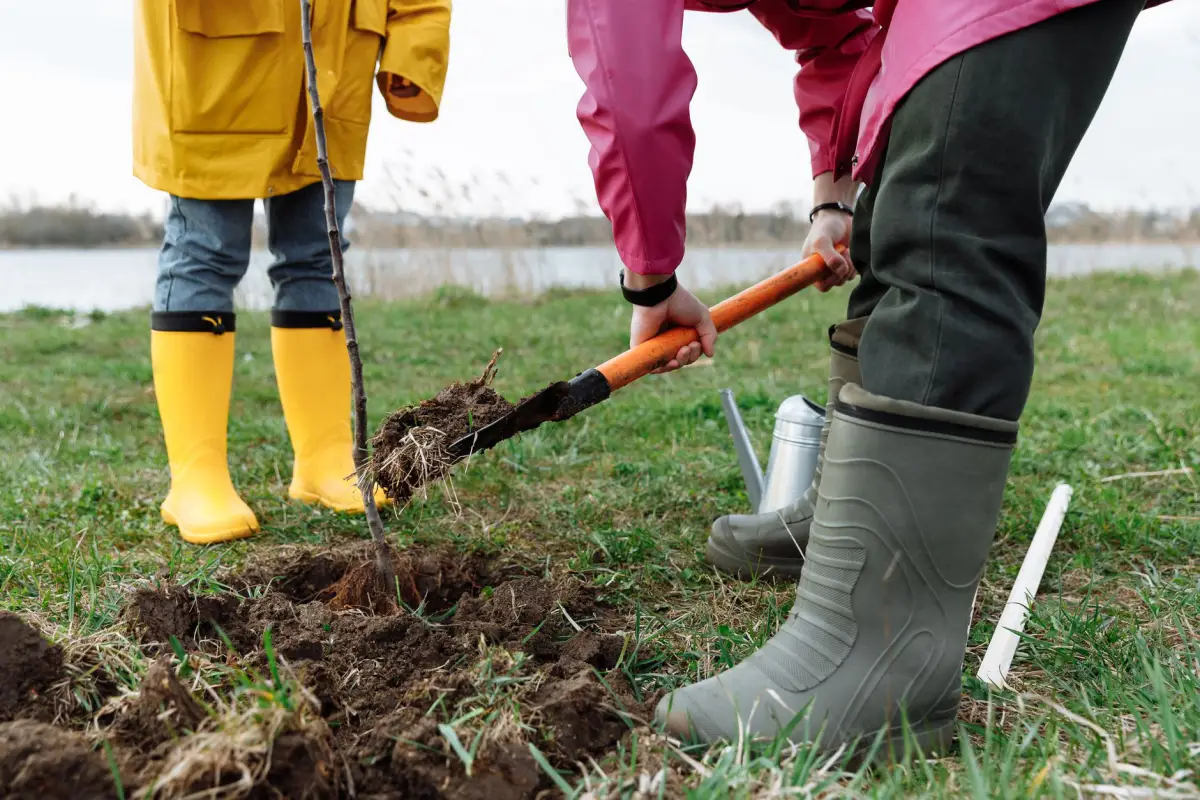
Residential Tree Planting
A yard tree is a thirty-year decision made in an afternoon, so most of the value is in the part before the hole gets dug. Mature size against the space available, distance from the foundation, where the shade will fall in August versus February, what is overhead and what is underground. On Duluth's hillside lots the constraint is frequently soil depth — thin soil over bedrock will not support a species that wants to root deep, no matter how well it is planted. The digging itself is simple and the specification is not negotiable: a wide shallow hole rather than a deep narrow one, the root flare at finished grade, and no soil amendment backfilled into the hole to make a comfortable pocket the roots then refuse to leave.
New & Replacement Tree Planting
Replacement planting is the common job in Duluth right now, because so much is coming out. The temptation after losing a tree is to put the same thing back in the same hole, and both halves of that are usually wrong. Ground where a stump was ground out is full of decaying wood chip that settles unevenly and ties up nitrogen, so the replacement is better sited a few feet off, or given genuine imported soil and a season to settle. Species diversity matters more than it feels like it should — the city's own experience with roughly 3,000 boulevard ash is the argument, and it applies to a yard with three trees just as much as a street with three hundred.
Shrub Planting
Shrubs get treated as landscape filler and then underperform for the same reasons trees do. Planting depth still matters, circling roots in a container-grown shrub still need cutting, and mulch still belongs off the stems. What changes is spacing: shrubs are almost always planted at their nursery size rather than their mature size, which looks right for two seasons and then becomes a solid mass nobody can prune properly. Along a foundation the other consideration is snow. Wet lake-effect snow sliding off a roof will flatten a shrub bed planted tight to the drip line, and that is a placement problem rather than a plant problem.
Tree Placement & Spacing
Placement is where the avoidable mistakes live, and they are invisible for a decade. A spruce that will be forty feet wide planted eight feet from a foundation. A maple under a service drop. A row spaced at the size the trees are now rather than the size they will be, so that in twenty years none of them has a full crown and all of them have to be thinned. Underground matters as much: a Gopher State One Call locate before digging is required under Minnesota Statute Chapter 216D, and it also tells you where not to put a tree whose roots will find a sewer lateral. The rule of thumb worth applying is to plant for the mature canopy and accept that it will look sparse at first.
Newly Planted Tree Care
The first two or three years decide it. Water is the main thing and the amount surprises people — deep, infrequent soakings that wet the whole root ball, not a daily sprinkle, continuing through the first autumn until the ground freezes, because a tree going into a Duluth winter dry is a tree with winter burn in April. Mulch stays at three to six inches in a four to six foot circle with a gap at the trunk. Stakes come off after a year, since a tree that is never allowed to move never develops taper and stays dependent. UMN Extension notes that trees do not need pruning at planting time beyond correcting damage or defects the nursery left, so resist tidying it up.
Signs You Need Tree Planting
- You have taken a tree out and the yard has lost its shade, screening or wind break
- An ash you are not treating is coming down and you want the replacement in before the gap becomes permanent
- Everything in the yard is the same species, or the same age, and all of it will decline at once
- A new build or a regraded lot with nothing on it but lawn and a lot of exposure
- You want screening along a property line and need to know what will actually make height in this soil
- Shrubs planted tight to the house that have outgrown the bed and get flattened by snow off the roof
How Tree Planting Works
- 1
Read the site before choosing anything
Species selection is a site decision, not a preference, so the assessment comes first. How deep is the soil before it hits rock, which on Duluth's hillside can be under a foot. How does it drain — clay that holds water after a thaw rules out species that will not tolerate wet feet in spring. What is the exposure: a Lakeside lot taking wind off Superior is a different planting environment from a sheltered yard in Woodland a mile inland. Is there salt spray from an arterial. What is overhead, because a service drop determines maximum mature height, and what is underground, which means a Gopher State One Call locate before anything is dug — required under Minnesota Statute Chapter 216D and placed by the contractor. Then the space itself, measured against mature canopy width rather than nursery pot size.
- 2
Choose species for the site and for diversity
With the site understood, the shortlist gets built from what suits it and then narrowed by what you already have. The diversity argument is not abstract here: the city counts roughly 3,000 boulevard ash, second only to maple, and emerald ash borer arriving in 2015 turned that concentration into a decade of removals. The same logic scales down to a yard with four trees. Beyond that it is matching habit to purpose — screening needs something that holds branches low, shade needs a spreading crown placed on the right side of the house, and a narrow side yard needs a species that stays narrow rather than one that gets pruned back forever. Nursery stock gets checked before it goes anywhere near a hole, because a root ball already circling badly is a tree that will girdle itself regardless of how well it is planted.
- 3
Dig wide, plant shallow, and fix the roots
The hole is dug two to three times the width of the root ball and no deeper than its height — wide because that is where roots actually spread, shallow because settling into a soft over-dug base is how a tree ends up too deep six months later. Then the root ball gets inspected properly. Excess soil is pulled off the top until the root flare is found, since nursery stock is frequently potted too deep and planting to the top of the pot buries the flare. Circling and girdling roots get cut, not tucked in, and a badly pot-bound ball gets its outer roots sliced vertically so they grow outward instead of continuing the circle. The tree sits with the flare visible at finished grade. Backfill is the native soil that came out, broken up but not amended — a pocket of rich imported soil discourages roots from ever leaving it.
- 4
Water, mulch, and stake only if you must
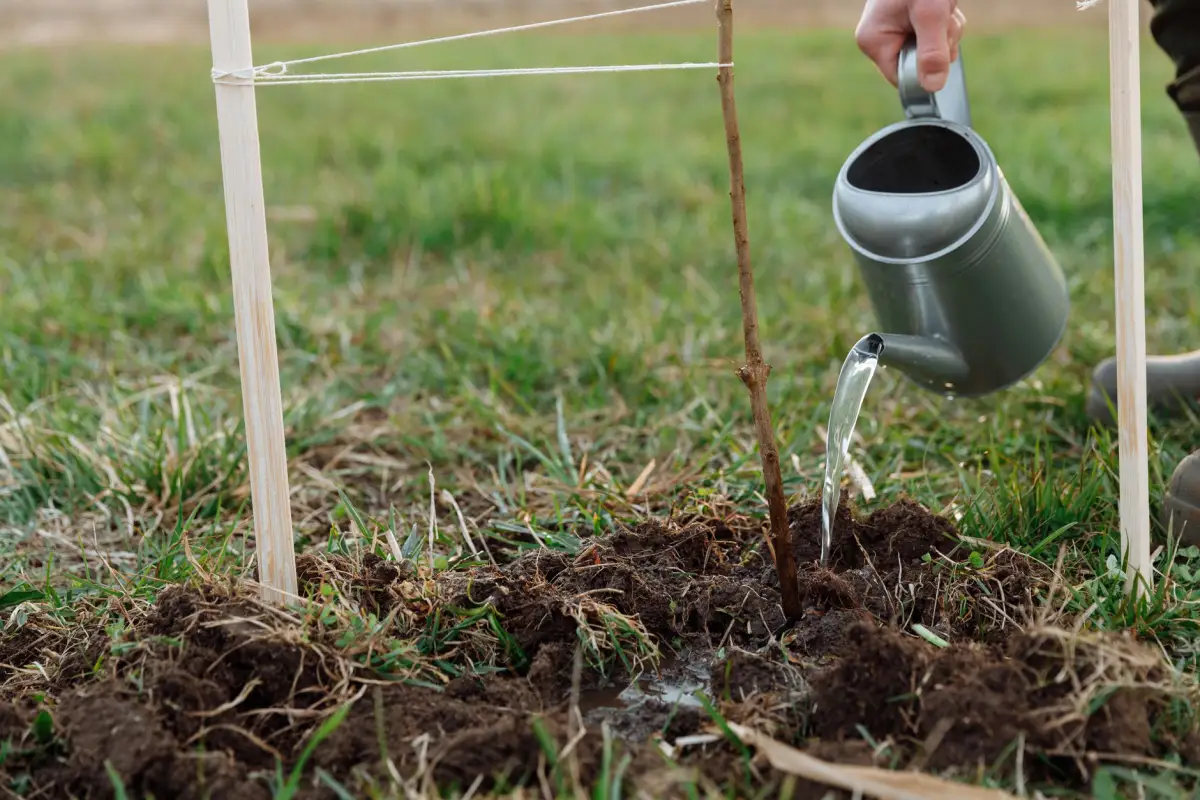
Watering in settles the soil around the roots and removes air pockets, and it is done thoroughly rather than sprinkled. Mulch goes on to the UMN Extension specification: three to six inches of coarse mulch spread in a four to six foot circle, pulled back so it never touches the trunk. The volcano of mulch heaped against the bark is the most common thing seen on new plantings and it holds moisture against the stem until the bark rots. Staking is the exception rather than the rule — a tree that can flex develops taper and anchor roots, and one held rigid does not. Where exposure genuinely requires it, ties are loose, low and come off after a season. Then the watering schedule gets handed over, because deep soakings through the first two or three years, continuing into autumn until freeze-up, is what decides whether the tree establishes.
What Does Tree Planting Cost in Duluth, MN?
- Size of stock — a larger caliper tree costs more, needs more machine handling, and establishes more slowly than a smaller one
- Species and availability, since some things have to be sourced rather than picked off a lot
- Number of trees or shrubs, and whether they are spread around a property or in one bed
- Soil conditions, particularly rock close to the surface or clay that has to be broken and drained
- Access for getting stock and soil to the planting position on a sloped or fenced lot
- Whether soil, edging or bed preparation is needed rather than planting into existing ground
- Staking and any temporary protection where exposure or deer pressure genuinely calls for it
It is worth resisting the biggest tree you can afford. Larger caliper stock costs considerably more, loses a greater share of its root system in transplanting, and routinely takes longer to establish than a smaller tree planted alongside it — the smaller one often overtakes it within a decade. The money is better spent on getting the species right for the site and on the first two years of watering, which is the part that actually determines survival and the part nobody budgets for.
What to Look for in a Duluth Tree Planting Company
They ask about the site before naming a species
Soil depth, drainage, exposure, what is overhead. Anyone who leads with what they have available is selling stock rather than planting a tree.
They find the root flare
Nursery stock is often potted too deep. A planter who fills to the top of the pot without checking has buried the flare, and that tree is on a clock.
They cut circling roots rather than tucking them in
A pot-bound root ball dropped in as it came will girdle itself. Slicing those roots looks brutal and is the difference between establishment and slow decline.
They mulch flat, not in a cone
Three to six inches, four to six foot circle, nothing touching the trunk. The mulch volcano is the single most common thing done wrong to a new tree.
They tell you the watering schedule
Deep soakings for two to three years, continuing into autumn. A planting handed over without that conversation is a planting that has been half done.
Residential & Commercial Tree Planting
Residential
Replacement trees after removals, screening along property lines, shade placed where it will actually be useful, and shrub beds sized for what they will become. Most residential planting here is one to a dozen plants in a single visit.
Commercial
Grounds, parking lot islands and boulevard-adjacent landscaping on business property, where species choice has to account for salt, compaction and the reality that nobody is going to hand-water anything after the first month.
When Tree Planting Isn’t the Right Call
- You want a tree planted on the boulevard in front of your house. The city does not allow residents to plant there — it manages boulevard species deliberately to keep the widest possible variety across the city, and it prioritises replanting where emerald ash borer removals have happened.
- You want it planted this week in mid-summer. Trees go in best in spring or early autumn here. A summer planting can be made to work with serious watering discipline, but the survival odds are worse and it is usually not worth the rush.
- It is a single small container shrub in soft ground. That is a spade, an hour and a bag of mulch, and paying a crew for it is poor value.
- You want a fast-growing screen and nothing else matters. The species that grow fastest here are also the ones that shed limbs, rot early and end up as removals — that is a conversation worth having before planting rather than after.
- You want the replacement tree in the exact hole the old stump was ground out of. Grindings settle and tie up nitrogen. Site it a few feet away, or bring in real soil and give the ground a season.
- The site genuinely will not support a tree — a foot of soil over bedrock, or a spot under a low service drop. Planting something that will fail or have to be topped later is worse than leaving the space open.
Frequently Asked Questions
- When is the best time to plant a tree in Duluth?
- Spring after the ground thaws, or early autumn with enough time for roots to establish before freeze-up. Both work, and both beat mid-summer, when a new planting is trying to establish roots and cope with heat at the same time. Autumn planting has one Duluth-specific catch worth knowing: the ground here can freeze early, so a late-October planting may not get the root growth it needs, and the tree goes into winter with less anchorage and less water than it should have.
- How deep should a tree be planted?
- Shallower than most people plant it. The root flare — where the trunk widens into the roots — has to be visible at finished grade, not buried. Nursery stock is frequently potted too deep, so soil often has to be pulled off the top of the root ball to find the flare before the hole depth is decided. The hole should be two to three times the width of the root ball and no deeper than the ball itself, so it cannot settle. Planting too deep is the most common cause of young tree death and it takes years to become obvious.
- What should I plant to replace an ash tree?
- Something that is not the same as everything else already on your property or your street. Emerald ash borer reached Duluth in late 2015 and the city counts roughly 3,000 boulevard ash — that concentration is exactly why one pest became a decade-long problem, and the same logic applies to a yard. Beyond diversity it is a site question: soil depth, drainage, exposure and mature size available. There is no single right answer, and any company that gives you one without looking at the spot is not answering the question.
- How much should I water a newly planted tree?
- Deeply and infrequently, for two to three years, rather than a little every day. The goal is wetting the whole root ball and the soil around it so roots grow outward toward moisture instead of staying shallow. Keep going into autumn until the ground freezes — a tree entering a Duluth winter with a dry root ball is the one showing winter burn the following April. UMN Extension's mulch guidance supports this: three to six inches of coarse mulch in a four to six foot circle holds moisture, as long as it is kept off the trunk.
- Does a new tree need staking?
- Usually not, and staking by default does harm. A tree that flexes in wind develops trunk taper and anchor roots; one held rigid develops neither and is weaker when the stakes come off. Staking is justified where exposure is genuinely severe or the root ball is small relative to the crown — which on some Lakeside and hillside sites is a fair description. Where it is used, ties should be loose enough to allow movement, placed low, and removed after a season rather than left to girdle the trunk.
- Should a new tree be pruned when it is planted?
- Very little. UMN Extension is clear that trees do not need pruning immediately before or after planting, and most nursery stock has already had co-dominant leaders, rubbing limbs and poorly angled branches taken out before sale. What does get removed is anything broken in transit and any defect the nursery missed. Beyond that, leaving the crown alone gives the tree the leaf area it needs to establish roots, which is the only job it has for the first couple of years.
Learn More
- UMN Extension — Planting and Transplanting Trees and Shrubs — Planting depth, hole width, root ball handling, mulch depth and spread, and why new trees need very little pruning at planting time.
- City of Duluth — Urban Forestry — The city's boulevard tree program, including why residents are not permitted to plant in the right of way and how replanting is prioritised after EAB removals.
- Minnesota DNR — Tree Care — Species guidance for Minnesota conditions, planting practice, and the pest and disease pressures worth considering before choosing what goes in.
Need Tree Planting in Duluth, MN?
Tell us what’s going on and get an on-site estimate — no charge for the visit, and no obligation to book the work.
Get My Free Estimate