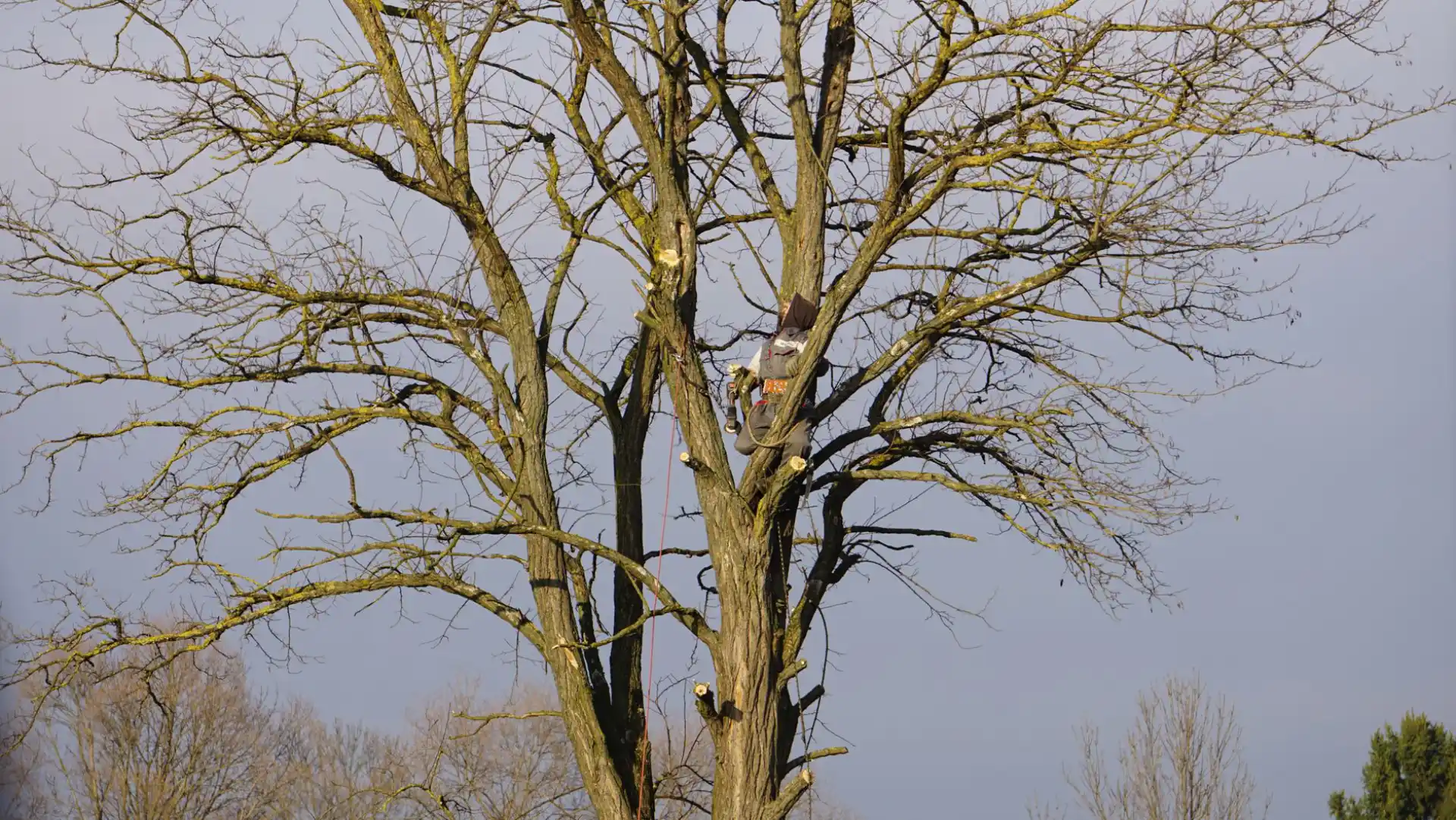
Tree Care Services in Duluth, MN — Residential & Commercial Tree Health & Maintenance
Looking at trees before they become a problem. Condition assessed, structure corrected early, weak unions supported where support is the right answer.
Tree Care Services in Duluth, MN
Duluth Elite Treecare is a local resource for tree care and maintenance throughout Duluth, the Twin Ports and the surrounding Northland. We help homeowners connect with experienced tree care professionals for the ongoing work that keeps established trees sound — assessment, pruning and structural support.
Almost everything that fails on a mature tree was visible years earlier. A co-dominant union with bark growing into it rather than a raised ridge. A limb extending further every season with nothing behind it. A wound from a car bumper or a torn limb that never sealed and has been quietly decaying since. Maintenance is the practice of finding those while the fix is still small, which on a tree usually means a pruning cut rather than a removal. It is undramatic work and it is the cheapest thing available in this trade.
One thing worth being straight about: this page is about physical tree work — inspection you can see, pruning, deadwood, and support systems. It is not about chemical treatment. Diagnosing a disease properly, prescribing an injection, or applying any pesticide is a separate specialty with its own licensing, and if what your tree needs is a diagnosis and a treatment rather than a saw, the right answer is a plant health care specialist or the resources at UMN Extension and the Minnesota DNR — not whoever is quoting the pruning. Anyone offering to inject your ash as an add-on to a trim is selling outside their lane.
What’s Included in a Duluth Tree Care Services Quote
- Visual condition assessment of each tree — structure, unions, wounds, deadwood, root collar and lean
- A plain-language account of what was found, what it means, and what is worth doing about it now versus later
- Deadwood and hazardous limb removal on trees that are otherwise staying
- Structural pruning to correct co-dominant stems and poor branch architecture while the cuts are still small
- Cabling and bracing where a defect is worth supporting rather than removing
- A prioritised maintenance interval rather than an open-ended service agreement

Tree Health & Maintenance Services in Duluth, MN
Tree Health Assessments
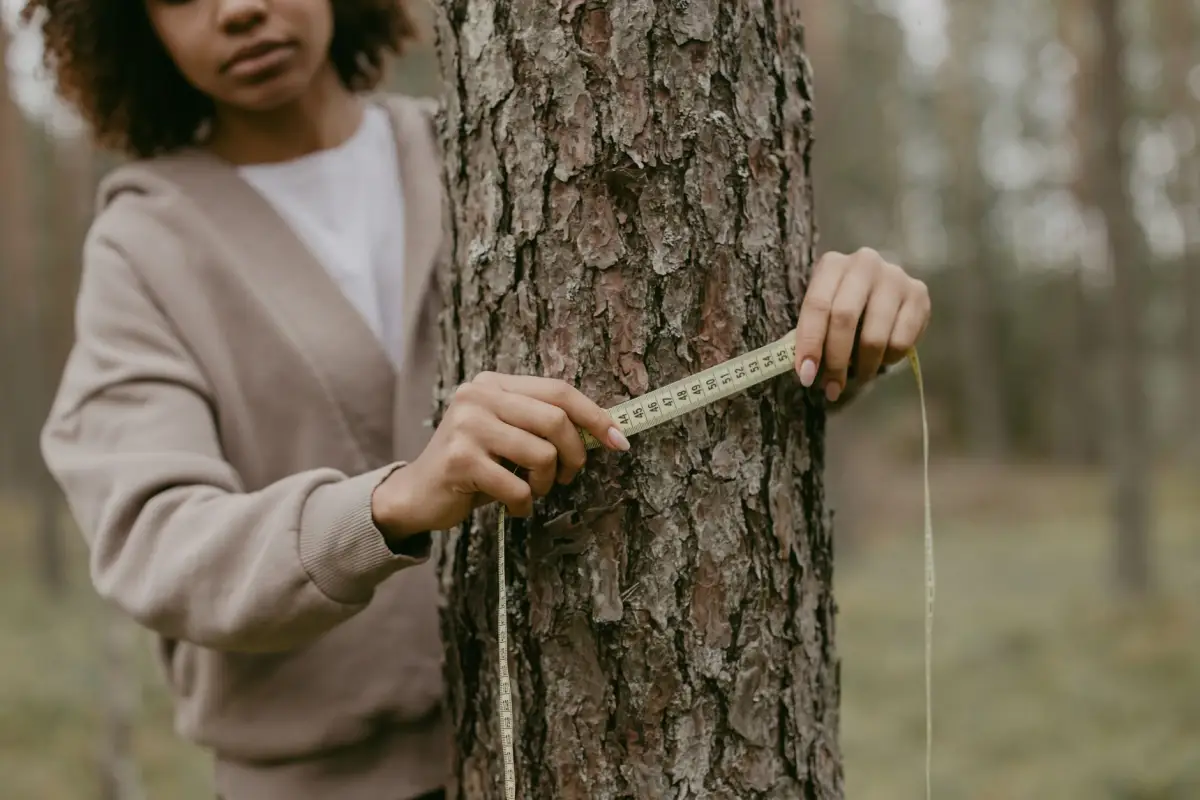
An assessment is a structured look at what a tree is doing and what is likely to fail, made from the ground and, where it matters, from in the crown. What gets checked: crown density and dieback compared with the same species nearby, the root collar and the ground around it for heave or decay, wounds and whether they are closing, unions for included bark, and deadwood distribution, since deadwood concentrated on one side reads differently from deadwood scattered through an old crown. What it produces is an opinion and a priority order, not a laboratory result. Where the answer looks like a specific pathogen or an insect problem needing treatment, that goes to a plant health care specialist rather than being guessed at here.
Preventative Tree Maintenance
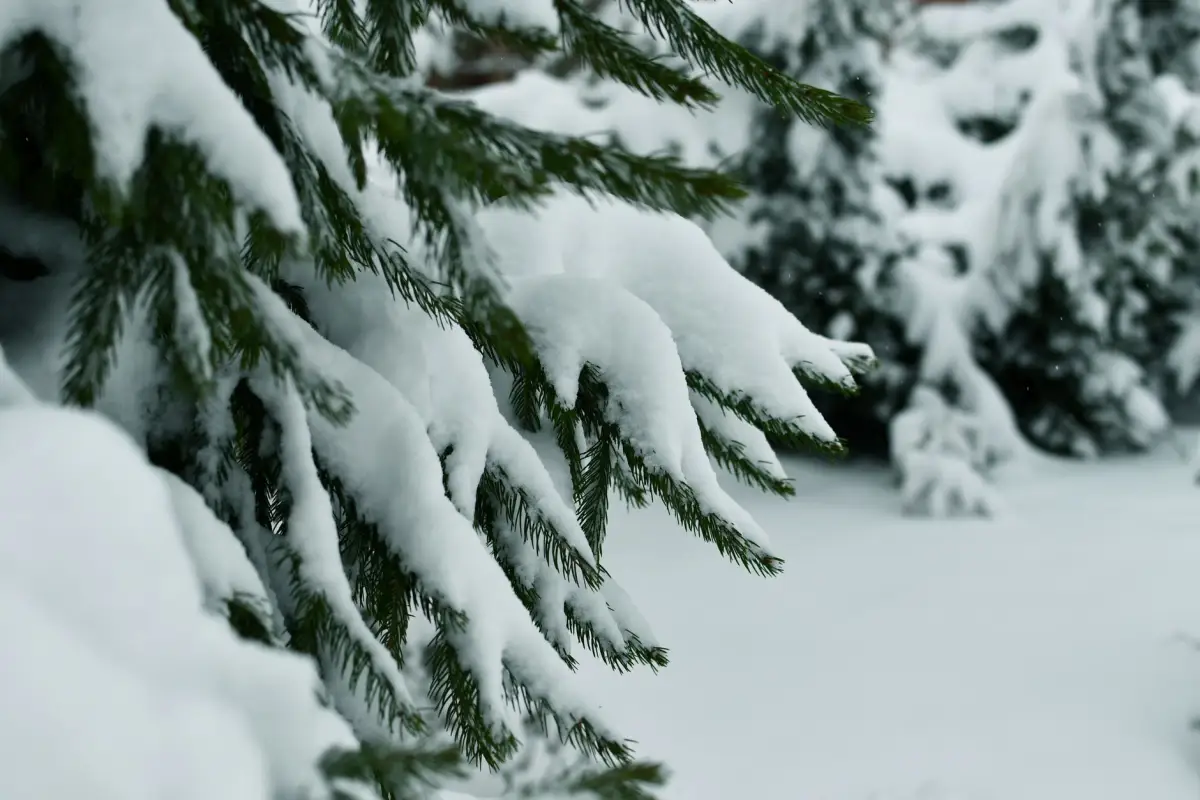
Maintenance means a cycle rather than a callout. A mature hardwood in good condition realistically needs looking at every three to five years, and the work at each visit is small — deadwood out, a rubbing pair separated, an overextended limb reduced before it gets heavy enough to matter. In Duluth the case for it is weight: wet lake-effect snow off Superior loads white pine, spruce and balsam far harder than dry inland snow, and the limbs that fail are the ones that were already overextended. Reducing end weight on a schedule is considerably cheaper than removing a failed limb and repairing what it landed on, and it is the entire argument for maintenance over reaction.
Dead & Diseased Branch Removal
In a maintenance context this is about the pattern rather than the individual limb. Where deadwood appears tells you something: dieback concentrated in the upper crown often points to a root or vascular problem rather than to those branches, while scattered interior deadwood in an old shade tree is frequently just normal shading-out. The cuts follow standard practice — back to the branch collar, read off the branch bark ridge where decay has obscured the collar, no flush cuts, no stubs. Sanitation matters when disease is suspected, since tools that cut infected tissue can carry it onward. Timing follows the calendar too: the Minnesota DNR asks that oaks not be pruned or cut April through July because of oak wilt.
Structural Tree Pruning
Structural pruning is the highest-value work in this trade and the least often bought, because it is done on young and mid-age trees that currently look fine. The target is a single dominant leader with well-spaced lateral branches, achieved by reducing competing stems rather than removing them outright, over several visits across a decade. The defect it prevents is the one that takes down mature trees here constantly: two co-dominant stems with included bark in the union, which splits under load twenty years later. On a ten-year-old tree that costs one small cut. On a forty-year-old tree the options are cabling or removal, and both cost considerably more than the cut would have.
Tree Cabling & Bracing
Cabling and bracing are support systems installed to reduce the chance of a specific structural failure — most often a weak co-dominant union — by limiting how far the parts can move independently. A cable is a flexible connection high in the crown; a brace is a rod through the union itself. They are worth considering on a tree with genuine value and one identifiable defect, where the alternative is losing the tree. What they are not is a repair. The defect remains, the hardware carries load it was never meant to carry alone, and any installed system needs inspecting periodically for the rest of the tree's life. A tree with widespread decay is not a cabling candidate — it is a removal being deferred.
Signs You Need Tree Care Services
- Two main stems meeting in a tight V with bark turned into the union rather than a raised ridge
- A limb extending well beyond the rest of the crown with little growth behind it
- Thinning or dieback in the upper crown compared with the same species elsewhere in the neighbourhood
- An old wound that has stopped closing, or bark peeling away from a healed edge
- Fungal shelves on the trunk, at the root collar, or over a surface root
- A young tree developing two competing leaders, which is cheap to fix now and expensive later
How Tree Care Services Works
- 1
Look at the whole tree, starting at the ground
Assessment starts at the root collar, because that is where the problems with the biggest consequences hide. Is the flare visible or has it been buried by grade change or years of mulch. Is there heave, a crack or a void on any side. Are there fungal fruiting bodies at the base or over a surface root. Then up the trunk for wounds and whether they are closing, old topping cuts, cavities, and bark condition. Then the crown: density against comparable trees nearby, where deadwood sits and in what pattern, unions with included bark, limbs that are overextended relative to the rest. Context matters as much as the tree — what has changed around it, whether grade was altered, whether nearby trees came down and left it newly exposed, and what is underneath it if it fails.
- 2
Say what it means, in plain language
The output of an assessment is a judgement and a priority order, and it should be legible without a glossary. Which trees need work now, which should be looked at again in two or three years, which are fine and should be left alone — that last category matters, because a maintenance visit that finds work on every tree is describing the invoice rather than the trees. Where the likely answer is a pathogen, an insect problem or something needing chemical treatment, the honest response is to say so and point at a plant health care specialist or UMN Extension's diagnostic resources rather than guessing at a diagnosis. And where the finding is that a tree is beyond keeping, that gets said plainly too, with the reason attached rather than a general impression.
- 3
Do the pruning that the assessment calls for
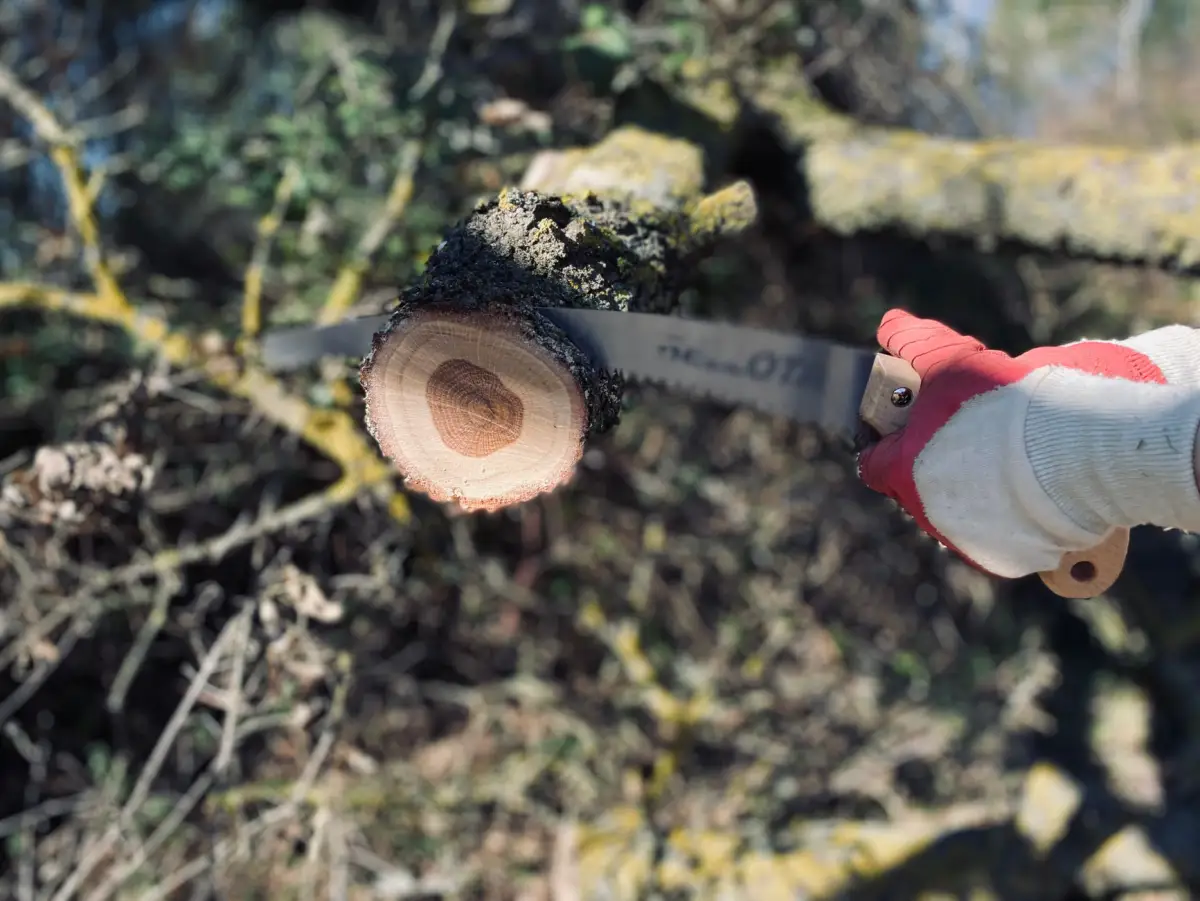
Most of what an assessment produces is pruning, and it is the same craft as any other pruning: cuts placed just outside the branch collar, no flush cuts, no stubs, reduction back to a lateral at least a third the diameter of what was removed. Deadwood comes out. Overextended limbs get reduced to pull weight back toward the trunk. On young trees, competing leaders get subordinated rather than removed outright, which corrects the structure over several years without taking too much at once. Climbing is on rope and saddle — spikes wound the cambium and have no place on a tree that is staying. Season is checked before anything is cut: most species prune best in late winter into early spring, and oaks are off the table April through July.
- 4
Support what is worth supporting, and set an interval
Where a specific defect on a valuable tree warrants it, a support system goes in — a cable high in the crown limiting independent movement between co-dominant stems, or a brace rod through the union where the split has already begun. This is a considered decision rather than a default: it does not repair the defect, it needs periodic inspection permanently, and on a tree with widespread decay it only defers a removal. Then the interval gets set. Three to five years suits most mature hardwoods in good condition; sooner for a tree with an identified defect, a support system installed, or heavy exposure. A stated interval is more useful than a service agreement, because it tells you when to look again rather than committing you to visits nothing has yet justified.
What Do Tree Care Services Cost in Duluth, MN?
- Number of trees and whether the work is an assessment, pruning, or both
- Crown size and height, and whether the tree can be worked from the ground, a lift, or only by climbing
- How much of the work is fine deadwooding versus large limbs that must be rigged and lowered
- Whether structural pruning is a first correction on a neglected tree or part of an established cycle
- Cabling and bracing, which is priced separately and includes hardware plus the ongoing inspection it commits you to
- Access and what is underneath — limbs over roofs and gardens have to be lowered rather than dropped
- Season, since some work has to wait for a window and oaks cannot be cut April through July
Be wary of an open-ended maintenance agreement, and of an assessment that finds chargeable work on every tree in the yard. Useful maintenance produces a short list and a date to look again, and it should include trees that need nothing. The other thing to price carefully is cabling: hardware and installation is the smaller part, and periodic inspection for the rest of the tree's life is the commitment nobody mentions in the quote. On a tree that is not worth that commitment, removal is the cheaper honest answer.
What to Look for in a Duluth Tree Care Company
They tell you which trees need nothing
An assessment that finds billable work on every tree in the yard is a sales call. A short list with reasons attached is an assessment.
They stay in their lane on diagnosis
Pruning and diagnosing a pathogen are different specialties. Anyone offering to inject your ash as an add-on to a trim is working outside what they should be.
They push structural pruning on young trees
It is the cheapest work in the trade and the hardest to sell, because the tree looks fine. A company that raises it unprompted is thinking past this invoice.
They treat cabling as a decision, not a product
A support system does not fix the defect and commits you to permanent inspection. It should be argued for on a specific tree, not offered as an upgrade.
They give you an interval, not a subscription
Three to five years for most mature trees in good condition. A date to look again is more useful than a standing agreement for visits nothing has justified.
Residential & Commercial Tree Care Services
Residential
Established yard trees, mature hardwoods worth keeping, and young trees where a few small cuts now prevent a large problem later. Most residential maintenance is a visit every three to five years rather than an annual service.
Commercial
Grounds and canopy on business and managed property, where the driver is usually risk over walkways, parking and entrances. Ongoing commercial maintenance rounds are covered on the commercial tree trimming and HOA pages.
When Tree Care Services Isn’t the Right Call
- You want a disease diagnosed, a treatment prescribed, or an injection or pesticide applied. That is a separate specialty with its own licensing and it is not what this covers. UMN Extension and the Minnesota DNR both publish diagnostic resources, and a plant health care specialist is the right call.
- The tree is already dead or has decay through the main stem. Maintenance is for trees with a future. Money spent assessing and pruning a tree that has to come down is money spent twice.
- You want a maintenance contract on a healthy young yard that genuinely needs nothing yet. A note in the calendar to look again in three years costs nothing and achieves the same thing.
- You want a hazardous tree cabled so it can stay. Cabling supports one identified defect on a tree that is otherwise sound. On a tree with widespread decay it defers the removal rather than preventing it, and the hardware can create a false sense that the problem is solved.
- It is an oak and it is April through July. Unless a limb is an active hazard, the Minnesota DNR's guidance is not to prune or cut oaks in that window at all because of oak wilt.
- It is the boulevard tree in front of your house. The city maintains and prunes those, and residents are not permitted to work on city trees.
Frequently Asked Questions
- How often should trees be inspected?
- Every three to five years for a mature tree in good condition, and sooner where something specific has been identified — a support system installed, a union with included bark being watched, or a tree newly exposed after neighbours came down. It is also worth a look after any significant wind or wet snow event, since the damage that matters most is often a split union or a hanger rather than anything on the ground. A good maintenance visit should tell you when to look again rather than committing you to a schedule.
- Can you diagnose what is wrong with my tree?
- A visual assessment can identify structural problems reliably — decay, included bark, wounds that have stopped closing, root collar issues, dieback patterns — and can often narrow down what is likely. What it is not is a laboratory diagnosis, and prescribing or applying a treatment is a separate specialty with its own licensing requirements. If the answer looks like a specific pathogen or insect problem needing chemical treatment, the right next step is UMN Extension's diagnostic resources or a plant health care specialist rather than a pruning quote.
- What is tree cabling and does my tree need it?
- Cabling is a flexible support installed high in the crown to limit independent movement between two parts of a tree — usually co-dominant stems with a weak union. Bracing is a rod through the union itself. Both are worth considering on a tree with real value and one identifiable defect, where the alternative is losing it. Neither repairs the defect. Any installed system needs periodic inspection for the rest of the tree's life, and on a tree with widespread decay it defers a removal rather than preventing one.
- Is structural pruning worth paying for on a young tree?
- It is the best value in the trade and the hardest sell, because the tree looks fine. The defect it prevents is the one that takes down mature trees here routinely: two co-dominant stems with bark growing into the union, which splits under wet snow load decades later. Correcting that on a ten-year-old tree is one small cut. On a forty-year-old tree the remaining options are cabling or removal. Spread across a few visits over a decade, it costs a fraction of either.
- My ash tree looks healthy. Does it need anything?
- It needs a decision rather than maintenance. Emerald ash borer was detected in Duluth in late 2015 and the City of Duluth states that private homeowners are responsible for any ash on their property, with three options: treat it, remove it, or do nothing. Treatment is a chemical specialty, not a pruning question. What is worth knowing is the city's own framing — removing an ash while it is still alive is less expensive and less dangerous than letting it weaken and die first, because a dead ash cannot be safely climbed.
- What does a tree health assessment actually cover?
- A structured look from the root collar up: buried flare, ground heave or decay at the base, fungal fruiting bodies, trunk wounds and whether they are closing, cavities and old topping cuts, unions with included bark, crown density compared with the same species nearby, and where deadwood sits and in what pattern. Context comes into it too — grade changes, recent construction, and whether nearby trees came down and left this one newly exposed. The output is a prioritised list in plain language, including the trees that need nothing.
Learn More
- UMN Extension — Pruning Trees and Shrubs — Correct cut placement, the reasoning behind structural pruning on young trees, and seasonal timing for most Minnesota species.
- Minnesota DNR — Tree Care and Forest Health — State guidance on tree condition, the pests and diseases active in Minnesota, and the oak wilt restrictions on cutting April through July.
- City of Duluth — Emerald Ash Borer — The three options the city sets out for homeowners with ash on private property, and why removal before decline is the cheaper and safer route.
Need Tree Care Services in Duluth, MN?
Tell us what’s going on and get an on-site estimate — no charge for the visit, and no obligation to book the work.
Get My Free Estimate