Brush Clearing in Duluth, MN — Residential & Commercial Brush Removal
Overgrown thickets, buckthorn, volunteer saplings and reclaimed fence lines. Cut, chipped and hauled, with a plan for what comes back.
Brush Clearing in Duluth, MN
Duluth Elite Treecare is a local resource for brush clearing and removal throughout Duluth, the Twin Ports and the surrounding Northland. We help homeowners connect with experienced tree care professionals who clear overgrown ground properly rather than mowing the top off it.
Cutting brush is the easy half. The half that decides whether it was worth doing is what happens to the stumps and the seed bank, because most of what fills an overgrown Duluth yard comes back harder after cutting than it grew in the first place. Buckthorn is the main offender and it is worth naming: common and glossy buckthorn are Restricted noxious weeds in Minnesota, illegal to import, sell or transport, and the DNR's own guidance describes control as a multi-year commitment with most viable seed in the soil germinating within two years. Cut a buckthorn thicket, do nothing else, and in three seasons you have a denser thicket of younger stems.
The second thing worth settling before anyone starts is where the line is — both the property line and the line between clearing and habitat. Overgrown edges do real work here: they hold soil on Duluth's grade, they screen, and along the Lester and Chester creek corridors the vegetation near water is regulated rather than optional. State shoreland rules prohibit intensive vegetation clearing in shore impact zones, bluff impact zones and on steep slopes, allowing only limited clearing for a view or an access path. Clearing to bare ground on a slope above a creek is how a brush problem becomes an erosion problem.
What’s Included in a Duluth Brush Clearing Quote
- Walk-through to agree exactly what is coming out, what is staying, and where the boundary runs
- Cutting and removal of overgrown brush, thickets and volunteer saplings
- Identification and removal of buckthorn and other invasive woody growth, with a plan for regrowth
- Fence line and property line clearing, cut back to a maintainable edge
- Material chipped on site and either spread as mulch or hauled away
- Ground left rakeable and seedable, or left rough where cover is deliberately being retained
Brush Removal & Clearing in Duluth, MN
Overgrown Brush Removal
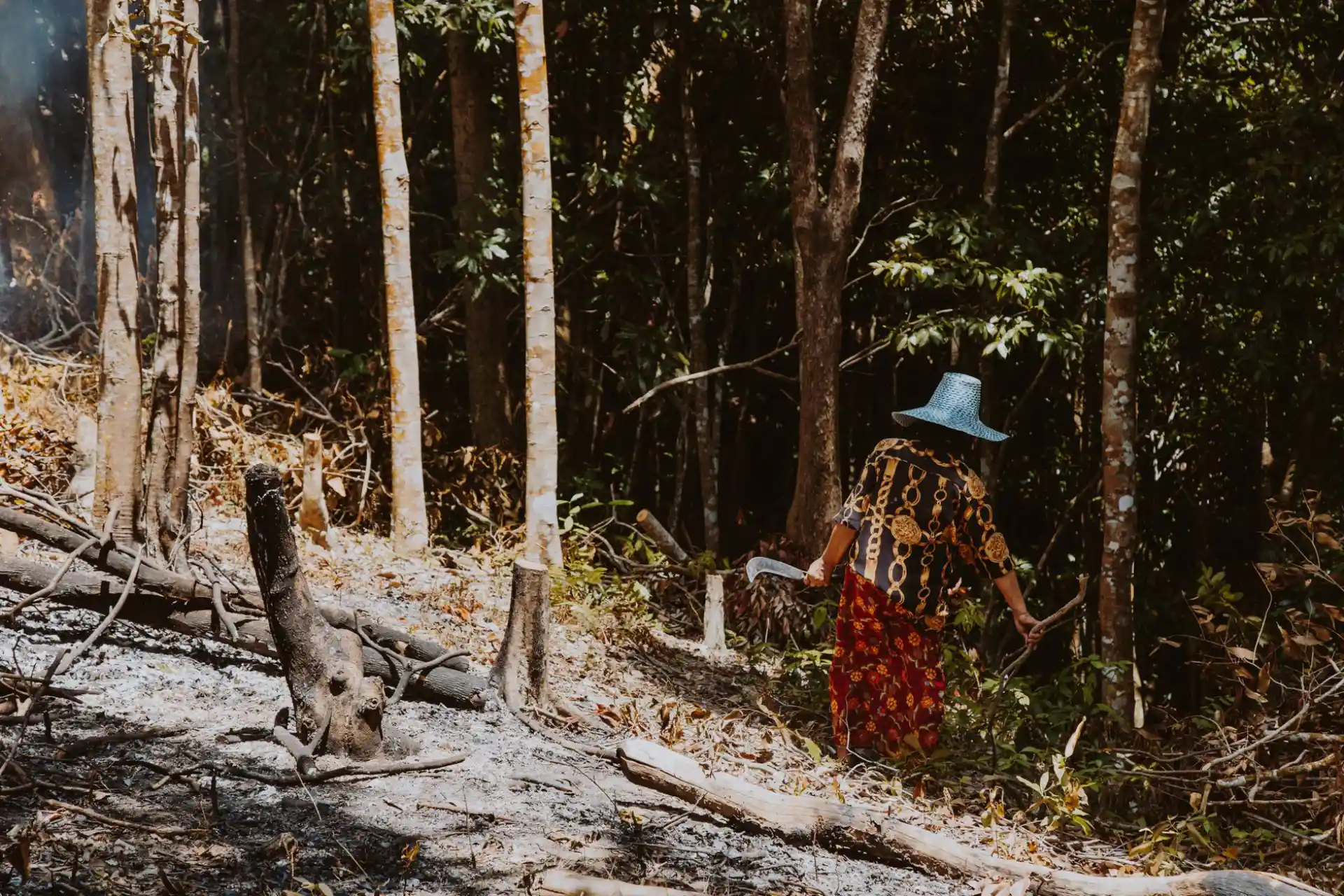
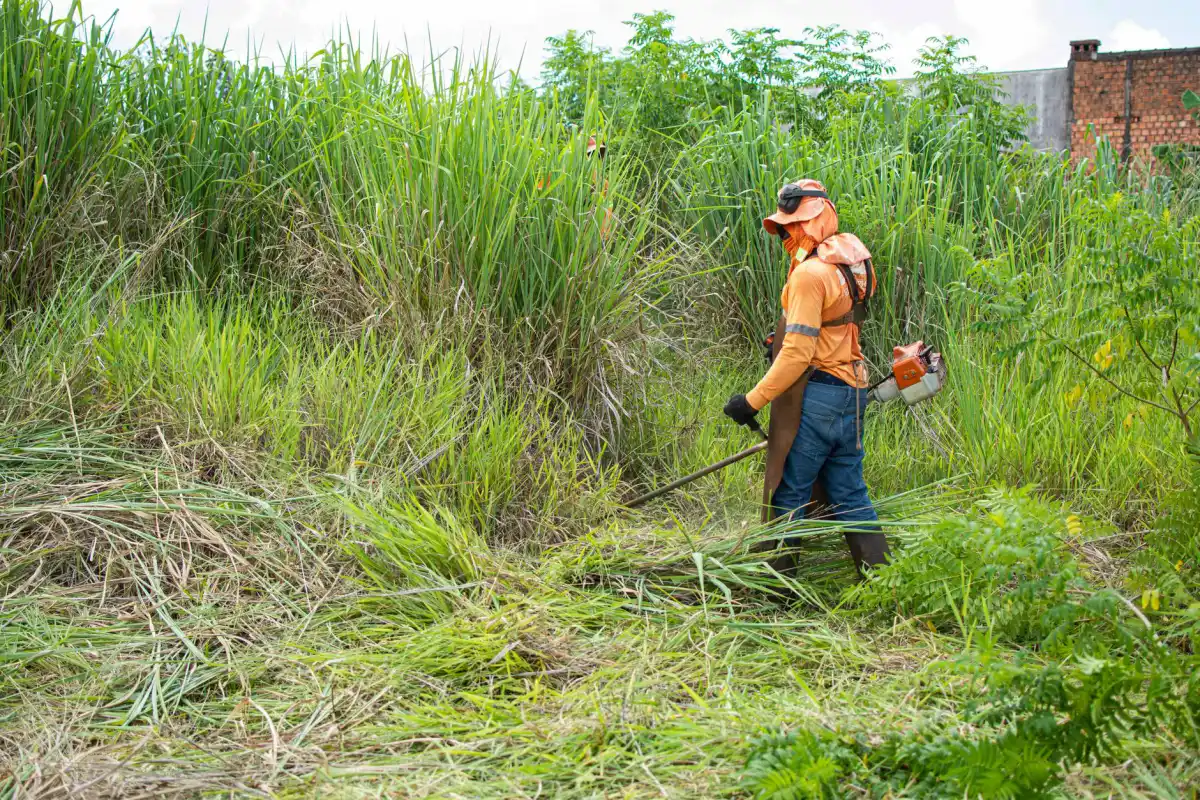
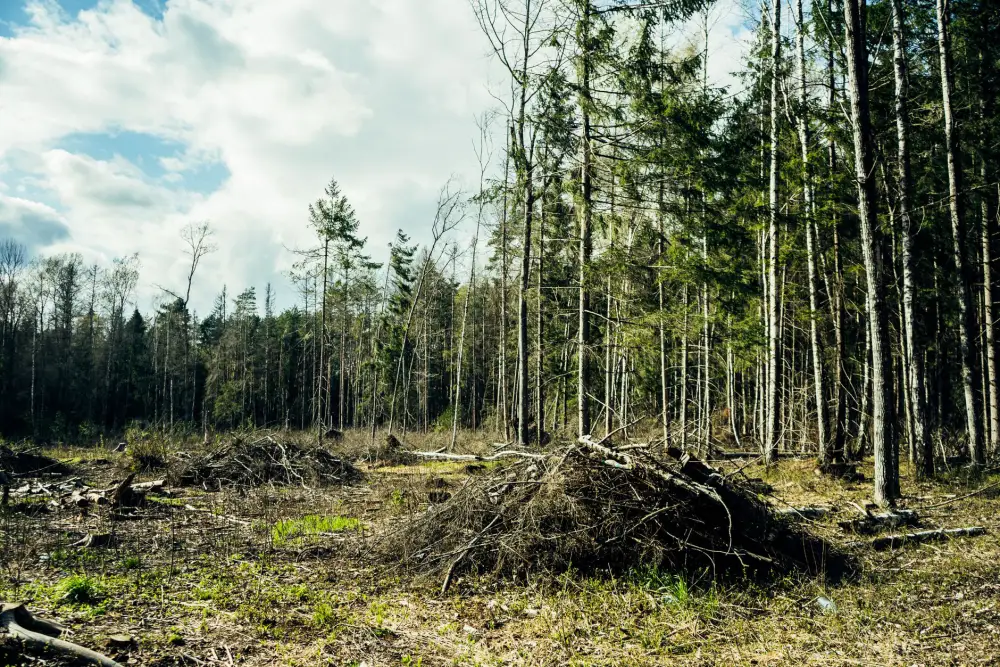
The typical job is a yard edge, a back corner or a strip along a garage that has been left alone for a decade and is now impassable. Clearing it is mostly volume work with a chipper, but the useful part is sorting what is in there first. A thicket is rarely uniform — there is normally a mix of desirable native shrub, volunteer saplings worth keeping, and invasive growth that will re-dominate the moment light gets in. Cutting all of it to ground level gives an immediate clean result and, where buckthorn is present, an immediate regrowth problem. Deciding what gets cut, what gets pulled, and what gets left is the difference between clearing it once and clearing it every second year.
Small Tree & Sapling Removal
Volunteer saplings are the ones nobody planted — box elder, ash seedlings, buckthorn, willow and poplar coming up along fence lines, against foundations and in beds that stopped being weeded. Anything under about four inches through comes out quickly, and the method matters more than the cutting. A sapling cut at ground level resprouts from the stump in most species, often with several stems where there was one, so on the ones that matter it is better pulled with the roots while the ground is soft. Ash seedlings deserve a mention of their own: there is a great deal of ash seed in the ground across Duluth, and a lot of what comes up in a neglected corner is a species with a known future.
Dense Vegetation Clearing
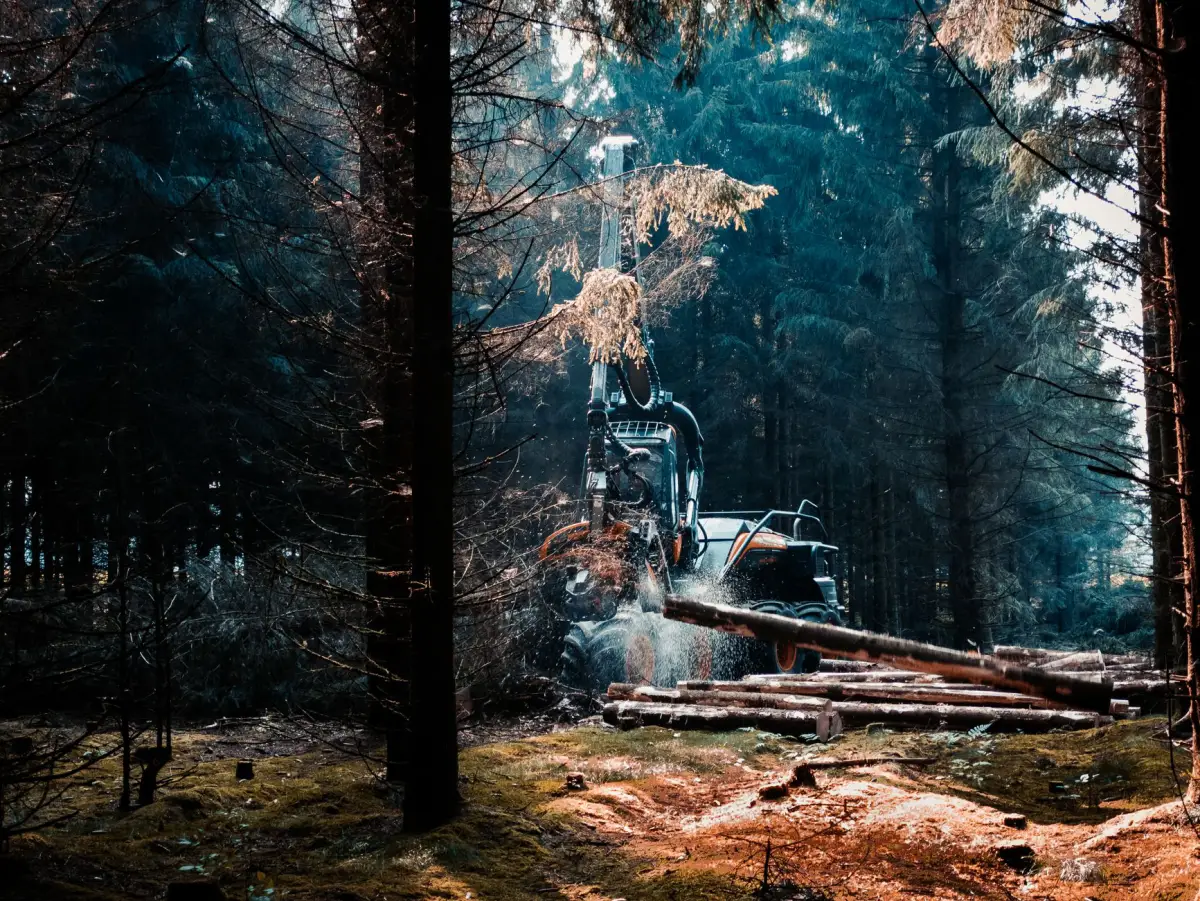
Heavier work than yard brush — ground that has gone to a solid mass of woody stems, often with mature buckthorn at ten to fifteen feet and a tangle of deadfall underneath. This is where equipment choice starts to matter, because hand cutting a quarter acre of that is a very long week. It is also where the question of how far to go gets sharpest. Taking dense cover down to bare soil on any of Duluth's steeper ground removes the thing currently holding that soil in place, and on a slope above a creek corridor it is regulated as well as unwise. Staged clearing that keeps root structure in the ground while removing the standing mass is usually the better answer.
Fence Line & Property Line Clearing
Fence lines collect brush because nobody mows them, and by the time it is noticeable the growth is usually through the fence rather than beside it. Clearing gets the fence usable and inspectable again, and the work is fiddly — stems grown through chain link have to be cut out rather than pulled, and a fence with ten years of woody growth in it is often holding the fence up. The other consideration is legal rather than technical. The line matters, and the City of Duluth is explicit that it does not arbitrate civil disputes between neighbours over trees and vegetation. Anything overhanging or rooted on the other side is a conversation to have before the work is scheduled, not after.
Brush & Woody Debris Cleanup
Clearing generates a surprising amount of material — a dense thicket produces far more chip volume than the standing height suggests, because it is nearly all stem. Brush goes through the chipper as it is cut, and the chip either stays on site spread as mulch, which is free and useful on paths and beds, or gets hauled, which costs more. Larger stems get bucked. Two constraints apply to where material goes: buckthorn is a Restricted noxious weed in Minnesota and cannot legally be transported, and any hardwood in the mix falls under the emerald ash borer quarantine covering St. Louis County. In practice both point the same way — chip it and keep it local.
Signs You Need Brush Clearing
- A yard edge or back corner has become impassable and you cannot see the property line any more
- Buckthorn is established — dark green leaves holding late into autumn, and dense stems shading out everything under them
- Volunteer saplings coming up along a fence line, against the foundation, or through a hedge
- A fence that cannot be inspected or repaired because growth has come through it
- Deadfall and woody debris accumulating under overgrowth, creating a fire and pest problem near buildings
- You want to reclaim usable ground for a garden, a shed, a play area or simply to see out
How Brush Clearing Works
- 1
Walk the ground and agree the boundaries
Two boundaries get settled before anything is cut. The property line comes first, because brush clearing is the service most likely to end up on somebody else's ground — the City of Duluth is explicit that it does not arbitrate civil disputes between neighbours over trees, so an ambiguous line is worth resolving with the St. Louis County Land Explorer or a conversation next door beforehand. The second boundary is what stays. Overgrowth is rarely uniform: there is usually native shrub worth keeping, saplings that will be decent trees, and invasive growth that will re-dominate. Where the ground is steep or near water, a third constraint applies — state shoreland rules prohibit intensive vegetation clearing in shore impact zones, bluff impact zones and steep slopes, which matters along the Lester and Chester creek corridors.
- 2
Identify what is actually in the thicket
Clearing without identifying is how a job gets done twice. Buckthorn is the species that changes the plan, and it is easy to spot late in the season because it holds green leaves well after natives have dropped. Common and glossy buckthorn are Restricted noxious weeds in Minnesota, illegal to import, sell or transport, and the DNR describes control as a multi-year commitment with most viable seed germinating within two years — which means cutting alone reliably produces a denser stand. Ash regeneration gets noted for the same reason it matters everywhere in this city. So does anything worth saving: a native shrub layer holding soil on a slope is doing a job, and removing it because it is in the way of a tidy line is a poor trade.
- 3
Cut, pull and chip as you go
The standing mass comes down first, working from the accessible edge inward so cut material has somewhere to go and nobody is cutting into a tangle they cannot see through. Brush feeds the chipper as it is cut rather than being stacked and handled twice. Where the species resprouts and the ground is soft, small stems get pulled with roots attached rather than cut, which is the difference between removing a plant and pruning it. Larger stems get bucked and either stacked or hauled. On slopes the working method changes: cutting proceeds in stages that leave root structure in the ground, because bare soil on Duluth grade after a thaw moves. Material handling is constrained too — buckthorn cannot legally be transported, and hardwood is subject to the county's emerald ash borer quarantine, so chip generally stays on site.
- 4
Finish the ground and plan for what comes back
Finishing is a decision rather than a default. Ground being returned to lawn gets raked out, stumps ground or cut low, and left seedable. Ground being kept as a naturalised edge gets left rougher on purpose, with chip spread as mulch to suppress regrowth and hold soil. Either way the honest part of the conversation is regrowth: a cleared thicket is not a finished project, and where buckthorn was present it will return from the seed bank for at least two years. That means a follow-up plan — cutting or pulling seedlings while they are small, ideally in the same season. Anyone who clears a buckthorn stand and describes the job as complete has sold you the first of several visits without mentioning the others.
What Does Brush Clearing Cost in Duluth, MN?
- Area to be cleared, and how dense the standing material actually is rather than how it looks from the edge
- Stem size — a thicket of finger-thick growth clears far faster than one with mature buckthorn at ten feet
- Terrain and slope, which decide whether equipment can be used or the work is done by hand
- Access for a chipper and how far material has to be dragged to reach it
- Whether chip stays on site as mulch or gets hauled away
- Whether stumps are cut, ground, or pulled, and whether regrowth treatment is part of the plan
- How finished the ground needs to be left — seedable lawn takes more work than a naturalised edge
Price per acre is the figure to be careful with, because density varies by a factor of ten and an acre of light scrub and an acre of mature buckthorn are not the same job. Quotes are more reliable after somebody has walked into the middle of it rather than looked at the edge. The other thing worth pricing honestly is the second visit: where buckthorn is involved, the DNR's own guidance points to a multi-year commitment, and a single clearing that ignores the seed bank is the cheap option only until you count what it costs the third time.
What to Look for in a Duluth Brush Clearing Company
They identify before they cut
Knowing which of it is buckthorn, which is native, and which is worth keeping changes the plan. A crew that treats everything green as the same material will clear it and clear it again.
They raise regrowth before you do
Cut buckthorn comes back thicker. A company that mentions the follow-up unprompted is describing the real job rather than the invoice.
They ask about the property line
It is the service most likely to end up on a neighbour's ground, and the city does not arbitrate that dispute for you.
They will not strip a slope bare
Root structure holds Duluth's clay in place. Near a creek corridor, intensive clearing on steep slopes is restricted as well as unwise.
They chip on site where it makes sense
Buckthorn cannot legally be transported and hardwood is under quarantine. Chipping and spreading on site is usually both cheaper and correct.
Residential & Commercial Brush Clearing
Residential
Overgrown yard edges, fence lines, back corners and reclaiming ground that has gone to thicket. Most residential brush work here is a day or two on a portion of a lot rather than the whole property.
Commercial
Sightlines, boundaries and unmaintained margins on business and rental property, where overgrowth is a liability and an appearance problem. Larger site work is covered on the land clearing pages.
When Brush Clearing Isn’t the Right Call
- It is a small patch you could handle with loppers and a Saturday. Brush clearing gets expensive per square foot on small jobs because mobilising a chipper costs the same whether the work takes an hour or a day.
- You want a steep slope or a creek-side bank stripped to bare ground. State shoreland rules prohibit intensive vegetation clearing in shore impact zones, bluff impact zones and steep slopes, and beyond the rules, the roots in that bank are what is holding it in place.
- The growth is on your neighbour's side of the line. The city does not arbitrate civil disputes over vegetation, so that has to be agreed between you before anyone shows up with a saw.
- You want the buckthorn gone permanently in one visit. That is not on offer from anyone honest — the DNR describes control as a multi-year commitment, with seed in the soil germinating for at least two years after clearing.
- It is mature trees rather than brush. Anything much over four inches through is a removal, priced and planned differently.
- You are clearing a building site or a full lot. That is land clearing, which is a different scope, different equipment and different permitting.
Frequently Asked Questions
- How much does brush clearing cost in Duluth, MN?
- It is quoted on area and density together, and density is the variable that moves it most — an acre of light scrub and an acre of mature buckthorn differ by a large multiple. Slope, chipper access and how far material has to be dragged all matter too, which on Duluth's grade is not a footnote. Be wary of a flat per-acre price quoted without somebody walking into the middle of the growth, because the edge of a thicket almost never represents what is behind it.
- How do I know if I have buckthorn?
- The easiest tell is timing: buckthorn holds green leaves well into late autumn after native shrubs have dropped theirs, so a stand that is still green in October is usually buckthorn. It grows in dense thickets with smooth dark bark, small oval leaves with curved veins, and on common buckthorn a short thorn at the branch tips. It matters because both common and glossy buckthorn are Restricted noxious weeds in Minnesota — illegal to import, sell or transport — and because clearing it without a follow-up plan produces a denser stand within a few years.
- Will the brush grow back after clearing?
- Yes, and planning for that is the difference between a job and a cycle. Most woody species resprout from cut stumps, often with multiple stems where there was one. Buckthorn is the worst case: the Minnesota DNR describes control as a multi-year commitment, with most viable seed in the soil germinating within two years of clearing. The practical approach is to clear, then deal with the flush of seedlings while they are small enough to pull, rather than waiting until they are stems again.
- Can you clear brush on a slope or near a creek?
- Some, but not everything, and the limits are set by rule rather than preference. State shoreland rules prohibit intensive vegetation clearing in shore impact zones, bluff impact zones and on steep slopes, while allowing limited clearing and trimming to open a view from the dwelling or to accommodate an access path. Along the Lester and Chester creek corridors that applies directly. It is also sound practice independent of the rules — on Duluth's clay, the root structure in a slope is what is keeping the slope where it is.
- What happens to the material after it is cut?
- Most of it gets chipped on site as it is cut. The chip can stay and be spread as mulch on paths and beds, which is free and does useful work suppressing regrowth, or it can be hauled away for an extra cost. Two rules push toward keeping it local: buckthorn is a Restricted noxious weed and cannot legally be transported, and hardwood material is subject to the emerald ash borer quarantine covering St. Louis County.
- Is brush clearing the same as land clearing?
- No, and asking for the wrong one gets you the wrong quote. Brush clearing removes understory growth, thickets and saplings while leaving the ground and the mature trees largely as they are. Land clearing takes a site down to workable ground — mature trees, stumps, root mass and grading — usually ahead of construction or a major property change. Different equipment, different scope, and land clearing can trigger permitting that brush work does not.
Learn More
- Minnesota DNR — Buckthorn Management — Identification, why cutting alone makes a stand denser, and the multi-year approach control actually requires.
- Minnesota DNR — Shoreland Information for Property Owners — What vegetation clearing is and is not permitted in shore impact zones, bluff impact zones and on steep slopes.
- Minnesota Department of Agriculture — Common Buckthorn — The state noxious weed listing, including the restriction on importing, selling and transporting buckthorn material.
Need Brush Clearing in Duluth, MN?
Tell us what’s going on and get an on-site estimate — no charge for the visit, and no obligation to book the work.
Get My Free Estimate