Stump Grinding in Duluth, MN — Residential & Commercial Stump Removal Specialists
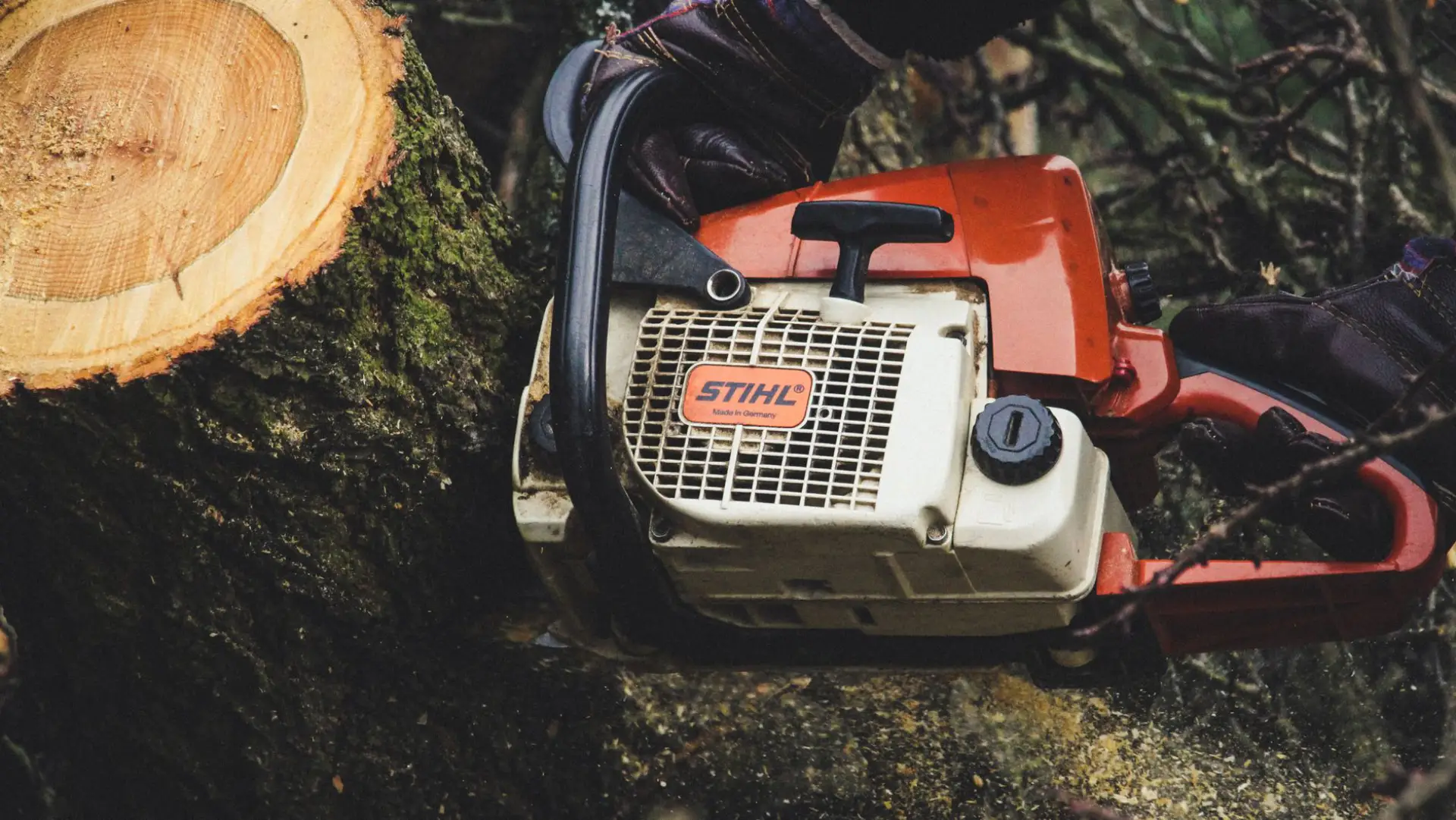
Ground out below grade, roots chased where they surface, and the hole backfilled with grindings. Utility locate goes in before the machine does.
Stump Grinding in Duluth, MN
Duluth Elite Treecare is a local resource for stump grinding and stump removal throughout Duluth, the Twin Ports and the surrounding Northland. We help homeowners connect with experienced tree care professionals who grind stumps out properly rather than skimming them level with the grass.
There is a step before the grinder that gets skipped more often than it should. Minnesota Statute Chapter 216D requires a Gopher State One Call locate at least two full business days before digging, and a stump grinder is a digging machine — it is throwing teeth eight to twelve inches into ground that may contain a gas service, a water line, a cable drop or an invisible fence. If you hire a contractor, placing that call is their responsibility, not yours. On Duluth's older lots, where services were run decades ago and the yard has been regraded since, the locate is the difference between a routine morning and a very bad one.
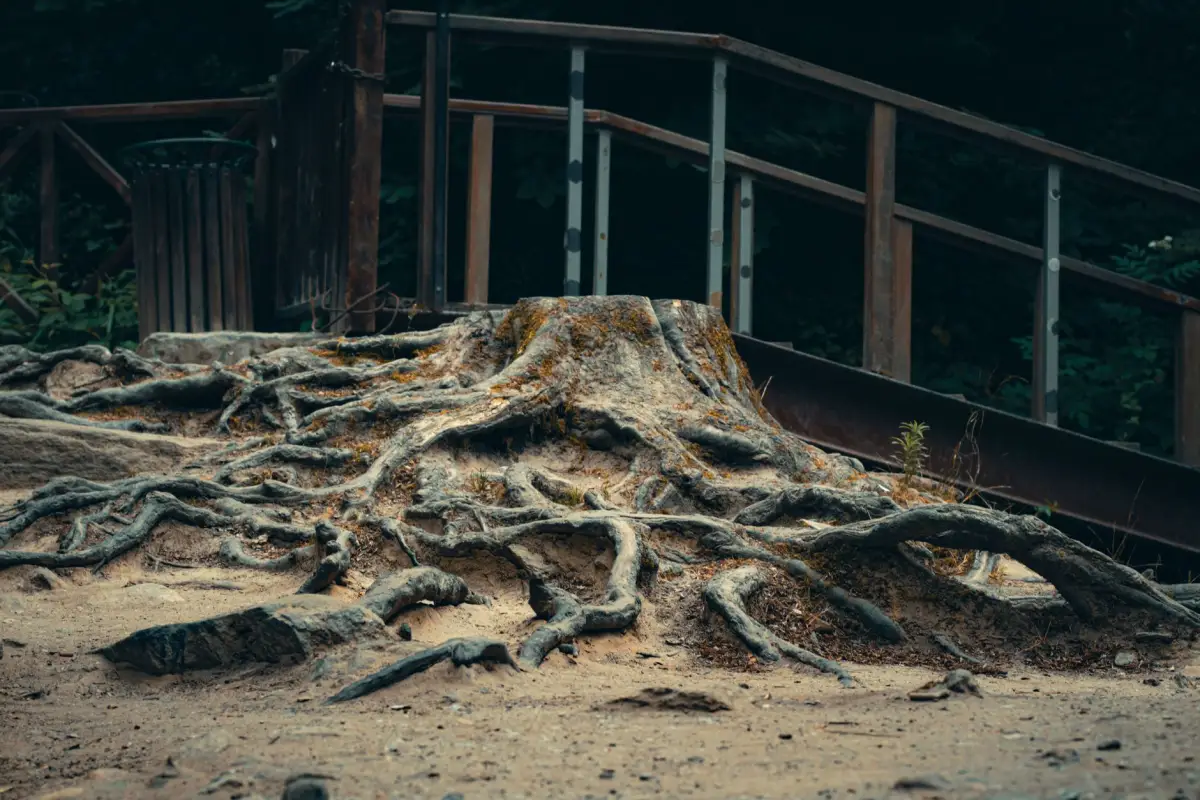
The other local variable is what is under the topsoil. Duluth sits on bedrock that comes close to the surface across much of the hillside, and stumps growing in thin soil over rock tend to spread wide and shallow rather than deep. That is good news for grinding depth and bad news for surface roots — a maple in Piedmont can run structural roots ten feet out just under the sod, and a stump that looks like a two-foot job turns into a two-foot job plus a lot of root chasing. It is worth agreeing up front how far out the roots get followed.
What’s Included in a Duluth Stump Grinding Quote
- Gopher State One Call utility locate placed before any machine goes in the ground
- Stump ground out below grade — commonly six to twelve inches, deeper where you plan to replant
- Surface roots chased and ground where they are lifting sod, cracking pavers or catching a mower
- Grindings used to backfill the hole, or hauled off if you want clean fill instead
- Work area raked out, sod edges tidied, and hard surfaces blown clean of chips
- Site left seedable, or left open where new planting is going in
Stump Grinding & Removal in Duluth, MN
Residential Stump Grinding
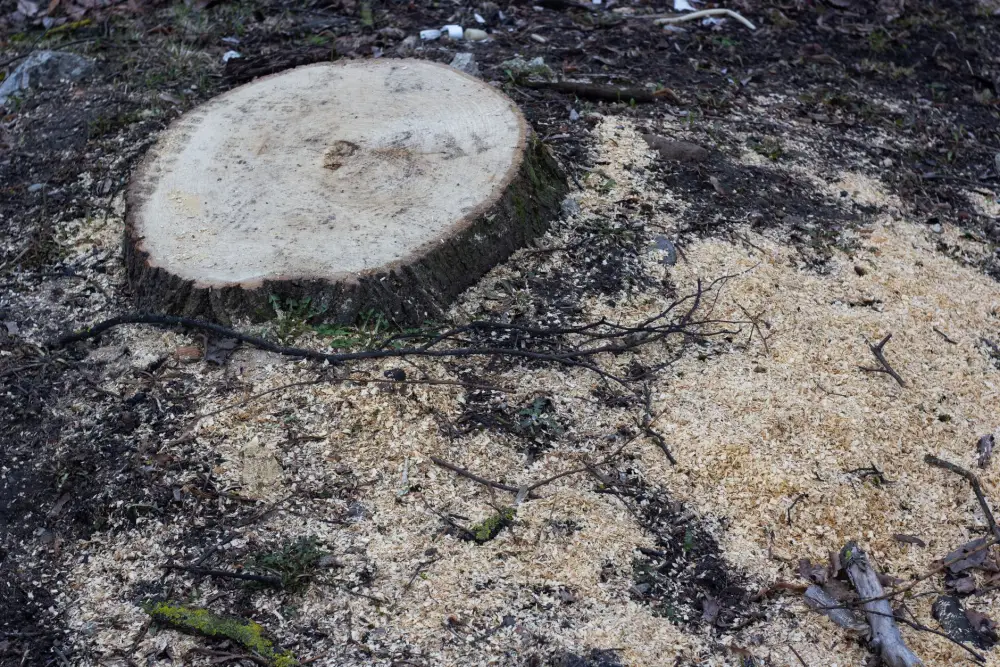
The standard yard job: a stump left over from a removal, ground out below grade so grass grows over it and a mower passes without catching. Depth is a decision, not a default. Six inches is enough to reseed lawn over. If you intend to plant a new tree in roughly the same spot, or lay pavers, it needs to go deeper and the root mass around it has to come out too, because grindings and decaying root wood make poor ground for either. The machine reaches the stump through whatever gate or gap the property offers, which on a fenced Lincoln Park lot is often the constraint that decides which grinder shows up.
Complete Stump Removal
Full removal means extracting the stump and its root plate rather than grinding it in place, usually with an excavator. It leaves a genuine hole that needs filling with real soil, and it disturbs a lot more ground. It is the right call in a narrow set of cases: where a foundation, retaining wall or new hardscape is going in over the spot, where the root plate has already lifted and destabilised the ground around it, or where the stump has to be gone rather than merely below grade. For most yard situations it is more disruption and more money than grinding, which is why grinding is the default rather than the compromise.
Large Tree Stump Grinding
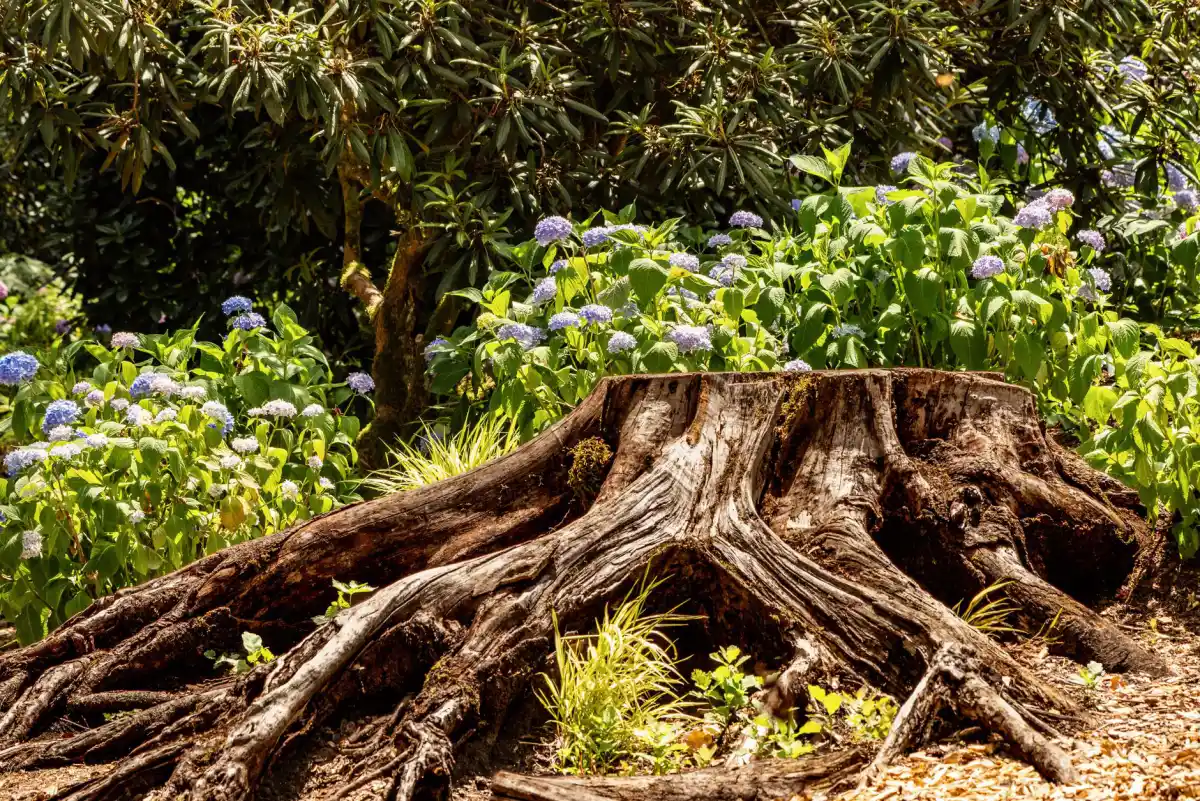
A four-foot white pine or maple stump is not the same job scaled up — it is a different machine and a different amount of time. Big stumps have a root flare that spreads well beyond the visible trunk, so the grinding footprint is often twice the diameter you would guess from looking at it. Volume goes up fast: a large stump can produce enough grindings to mound a foot above grade, which means either spreading them, hauling them, or agreeing that a mound is fine. On Duluth's hillside lots the second constraint is grade — a grinder working across a slope needs a stable platform, and that sometimes decides the approach more than the stump does.
Surface Root Removal
Surface roots are the part people forget to ask about and then notice immediately. Where soil is thin over rock, roots run wide and shallow, and after the stump is ground you are left with ridges radiating out through the lawn that still catch a mower blade and still lift sod. Grinding them out is straightforward where they run through turf and more delicate where they run under a walk, a driveway edge or a paver patio, since the root may be the only thing currently holding that surface level. Roots on a tree that is staying are a different conversation entirely — cutting structural roots on a live tree buys a flat lawn and a destabilised tree.
Stump Cleanup & Site Preparation
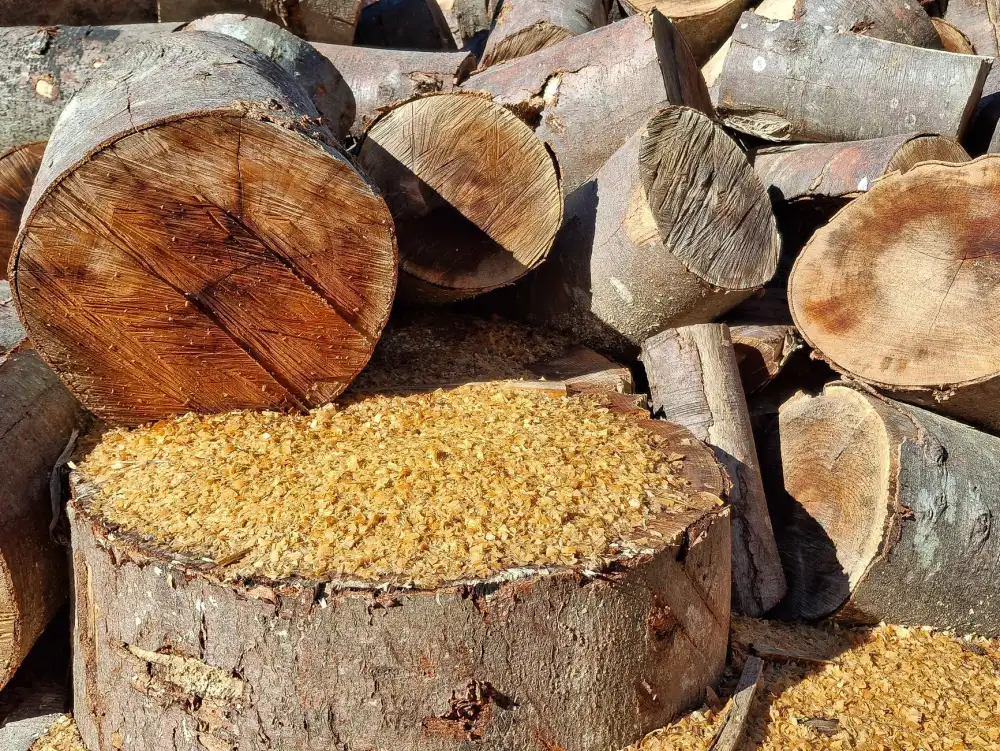
What happens to the grindings decides whether the job looks finished. Backfilling the hole with them is the normal choice and it is free, but grindings settle and they are wood, not soil — expect the spot to sink over the following season and to need topping up, and do not expect grass to establish in pure chip. Where the ground is being reused for planting or hardscape, the grindings come out and clean soil goes in. Site prep also means the edges: sod cut back cleanly rather than torn, chips blown off the drive and the walk, and any ruts from getting the machine into position rolled back out before anyone calls it done.
Stump Grinding vs. Complete Stump Removal
Stump grinding
A wheel with carbide teeth chews the stump down below grade in place. Ground disturbance is limited to the stump footprint and whatever roots get chased. The hole backfills with its own grindings, the lawn can be seeded over it, and the machine is usually off site the same day. It is cheaper, faster and far less invasive, which is why it is the right answer for most yard stumps. The trade-off is that the root system stays in the ground and decays over years rather than being removed.
Complete stump removal
The stump and root plate are dug and pulled out, normally with an excavator. It leaves a substantial hole needing imported fill, tears up a wide area of lawn, and needs machine access that a lot of Duluth back yards do not have. It costs more and takes longer. It is worth it when something is going in over that ground — a foundation, a retaining wall, a paver patio, a new tree in the identical spot — or when the root plate has already lifted and the ground around it is unstable.
Which one you actually need
The question that settles it is what happens on that spot next. Lawn over the top: grind it. Nothing at all: grind it. A new tree a few feet away: grind it, deeper than standard. A structure, hardscape, or a replacement tree in the same hole: full removal, or grinding plus excavation of the root mass. Anyone who quotes full removal for a stump that is only going to be grassed over is selling machine time you do not need.
What neither one does
Neither method makes the ground immediately ready for planting a tree in the same place. Grindings are wood, and wood decaying in soil ties up nitrogen and settles unevenly. Even after a full excavation, the surrounding soil is disturbed and compacted from the machine. If a replacement tree is the plan, the honest advice is to site it a few feet off the old stump rather than in it, or to bring in real soil and let the ground settle a season first.
Signs You Need Stump Grinding
- A stump left over from a removal that the mower keeps hitting, or that has become a trip hazard on a walkway
- Roots ridging up through the lawn and lifting sod after the tree above them is already gone
- Mushrooms and fungal shelves growing out of an old stump, with the wood going soft
- Carpenter ants or wasps nesting in decaying stump wood close to the house
- Suckers and shoots coming up around a stump year after year, especially on a cut poplar, willow or basswood
- You want to plant, pave, fence or build on a spot an old stump is still occupying
How Stump Grinding Works
- 1
Call in the locate and walk the approach
Minnesota Statute Chapter 216D requires a Gopher State One Call ticket at least two full business days before digging, and a hired contractor is responsible for placing it. Utility owners then come out and mark the approximate position of gas, electric, water, telecom and cable in the work area. That wait is why stump grinding is rarely a same-day service, and it is not a formality — a grinder wheel goes deep enough to find a shallow gas service or a cable drop, and on older Duluth lots those were installed before the current landscaping existed. Private lines the locate does not cover get discussed separately: irrigation, invisible fence, low-voltage lighting, a run out to a detached garage. Then the approach gets walked, because the machine has to physically reach the stump, and gate width, a retaining wall or a steep side yard often decides which grinder is right for the job.
- 2
Prep the stump and protect what is around it
Soil, gravel and embedded stone get cleared off the top of the stump and away from the root flare, because grit is what destroys carbide teeth and a hidden rock will stop a job cold. The stump gets cut lower with a saw first where it is standing tall — a stump left knee-high is slower and more expensive to grind than one cut flush, which is why it is worth asking for a low cut at removal time. Anything that can be hit by thrown debris comes out of the way or gets shielded: windows, siding, vehicles, a glass patio door on the wrong side. Where the grinder has to work across a slope, which is common on the hillside, a stable platform matters more than speed, and matting sometimes goes down to keep the machine from rutting saturated clay.
- 3
Grind below grade and chase the roots
The cutting wheel works across the stump in passes, taking material off in layers rather than plunging, and the operator works down to the agreed depth — commonly six to twelve inches below grade, deeper where planting or hardscape is going in on that spot. Depth is a conversation had before the machine starts, not after. Then the root flare, which almost always spreads wider than the visible trunk, and any surface roots that were named in the quote as lifting sod, cracking pavers or catching a mower. Roots are followed only as far as agreed — a large maple can run structural roots a long way, and "grind the stump" and "grind the stump and every root in the lawn" are different prices. Roots belonging to a tree that is staying are left alone.
- 4
Backfill, rake out and leave it seedable
Grindings go back into the hole as fill unless you have asked for clean soil instead. They should be mounded slightly, because wood chips settle as they decay and a hole filled level today reads as a dip next spring. Where the ground is being replanted or paved, the grindings come out instead and real soil goes in, since decaying wood ties up nitrogen and settles unevenly under anything solid. Then the finish work: sod edges tidied rather than left torn, chips raked out of the surrounding lawn, hard surfaces blown clean, and any ruts from getting the machine into position rolled back down. The last thing worth agreeing before the crew leaves is whether you want the surplus grindings left as mulch or taken away.
What Does Stump Grinding Cost in Duluth, MN?
- Stump diameter measured at the ground across the root flare, not at the top of the cut
- How deep it has to go — a lawn patch is shallower than ground being prepared for planting or paving
- How far surface roots get chased, which on a shallow-rooted maple can exceed the stump itself
- Access: gate width, slope and whether the machine can reach the stump without matting or hand-carrying
- Grit, embedded stone and gravel around the stump, which wear teeth and slow everything down
- Whether grindings stay on site as backfill or get hauled away and replaced with clean soil
- Number of stumps — several in one visit costs less each than mobilising the machine repeatedly
Two things reliably turn a cheap quote into an argument. The first is depth: a stump skimmed level with the grass costs less and comes back as a bare patch and a mower hazard, so agree the depth in inches rather than the word "out." The second is roots — a price for the stump is not a price for the twenty feet of surface root radiating into your lawn. Both belong in writing before the machine arrives. So does who is placing the 811 locate, though under Minnesota law that is the contractor's obligation when you hire one.
What to Look for in a Duluth Stump Grinding Company
They place the utility locate
Minnesota law puts that call on the contractor, two full business days ahead. A company offering to grind your stump this afternoon is telling you something about how they handle it.
They quote a depth in inches
"We'll grind it out" is not a specification. Six inches suits lawn; planting or paving over the spot needs more, and the difference shows up a year later either way.
They price root chasing separately
Surface roots can be a bigger job than the stump. A quote that stays silent on them is a quote that will get revised on the day.
They tell you the ground will settle
Grindings are wood. They sink as they rot. Anyone promising a permanently level lawn from a backfill of chip has not been back to look at their own work.
They ask what goes there next
It is the question that decides grinding versus full removal, and how deep to go. A company that never asks it is defaulting rather than assessing.
Residential & Commercial Stump Grinding
Residential
Leftover stumps from removals, old stumps that came with the house, and surface roots wrecking a lawn or lifting a walkway. Most residential work is one to four stumps in a single visit, once the locate has cleared.
Commercial
Parking lot islands, boulevard-adjacent grounds on business property, and multi-stump cleanup following a larger removal or clearing project, staged so the work area is not blocking access during business hours.
When Stump Grinding Isn’t the Right Call
- You need it done today. Minnesota Statute Chapter 216D requires a Gopher State One Call locate at least two full business days before digging, and no reputable contractor will put a grinder in the ground ahead of that. If someone offers to skip it, that is the wrong contractor rather than a lucky break.
- It is a small stump in soft ground with nothing buried near it. A four-inch stump can be dug out with a spade and a mattock in an afternoon, and paying for machine mobilisation to do it is poor value.
- The roots belong to a tree that is staying. Grinding structural roots to flatten a lawn gets you a flat lawn and a tree that is now more likely to come over in wind. If the roots are a problem and the tree is healthy, the fix is usually landscaping around them.
- The stump is on the city boulevard. Boulevard trees and their stumps are the city's, and residents are not permitted to run power equipment on city property under City Code Section 35-28(a)(2).
- You are planning to plant a new tree in exactly the same hole. Neither grinding nor full extraction leaves good ground for that. Site the replacement a few feet off, or bring in real soil and give it a season.
- You want the stump gone chemically. Stump killers are slow, unreliable on large stumps, and still leave you a soft stump to deal with in a couple of years. If it needs to go, grind it.
Frequently Asked Questions
- How much does stump grinding cost in Duluth, MN?
- It is priced per stump, mostly on diameter measured at ground level across the root flare rather than at the top of the cut. Depth and root chasing move it from there, and so does access — a stump behind a narrow gate on a slope takes a different machine than one beside the driveway. Getting several stumps done in one visit costs noticeably less each than having the machine come back, so it is worth doing them together.
- Do you have to call 811 before grinding a stump?
- Yes. Minnesota Statute Chapter 216D requires a Gopher State One Call locate at least two full business days before digging, and stump grinding counts — the wheel goes deep enough to reach a shallow gas service, water line or cable drop. When you hire a contractor, placing that call is their responsibility. Private lines are not covered by the free locate, so mention any irrigation, invisible fence, low-voltage lighting or a run out to a detached garage yourself.
- How deep does a stump get ground?
- Commonly six to twelve inches below grade. Six is enough to put topsoil and seed over and mow without catching anything. If you are planting, laying pavers or building on that spot, it needs to go deeper and the root mass has to come out as well, because grindings and decaying root wood settle unevenly and make poor ground for anything solid. Agree the number in inches before the work starts rather than accepting "we'll grind it out."
- What happens to the wood chips and the hole?
- Standard practice is backfilling the hole with the grindings, mounded slightly, because chip settles as it decays and a hole filled flat today reads as a dip next spring. Grass will not establish well in pure grindings, so if you want lawn there, plan on topsoil over the top. If you would rather have clean fill, the grindings can be hauled off and soil brought in instead — that is an extra, not a default, so ask for it in the quote.
- Will the stump grow back?
- The stump will not, but some species send up suckers from the remaining root system for a season or two — poplar, willow, basswood and some maples are the usual offenders. Grinding out the root flare and the immediate root mass reduces it a lot. Any shoots that do appear are easy to cut or mow off, and they stop once the root reserves are exhausted.
- Can you grind a stump on a slope or in a tight back yard?
- Usually, but access decides which machine and therefore the price. Duluth's hillside lots regularly combine a steep side yard, a narrow gate and a retaining wall, and a large self-propelled grinder that walks straight up to a front-yard stump cannot get to the back at all. Narrow machines exist and fit through a standard gate. Where the ground is saturated clay on a grade, matting may go down first to keep the machine from rutting the lawn.
Learn More
- Gopher State One Call — Minnesota's 811 service. Covers the Chapter 216D requirement to request a locate at least two full business days before any digging, including stump grinding.
- UMN Extension — Planting and Transplanting Trees and Shrubs — Soil and site preparation guidance, useful when deciding whether a ground-out stump location can take a replacement tree or needs to be sited elsewhere.
- City of Duluth — Urban Forestry FAQs — Boulevard tree rules, including why stumps in the right of way are the city's responsibility and not a homeowner's to grind.
Need Stump Grinding in Duluth, MN?
Tell us what’s going on and get an on-site estimate — no charge for the visit, and no obligation to book the work.
Get My Free Estimate