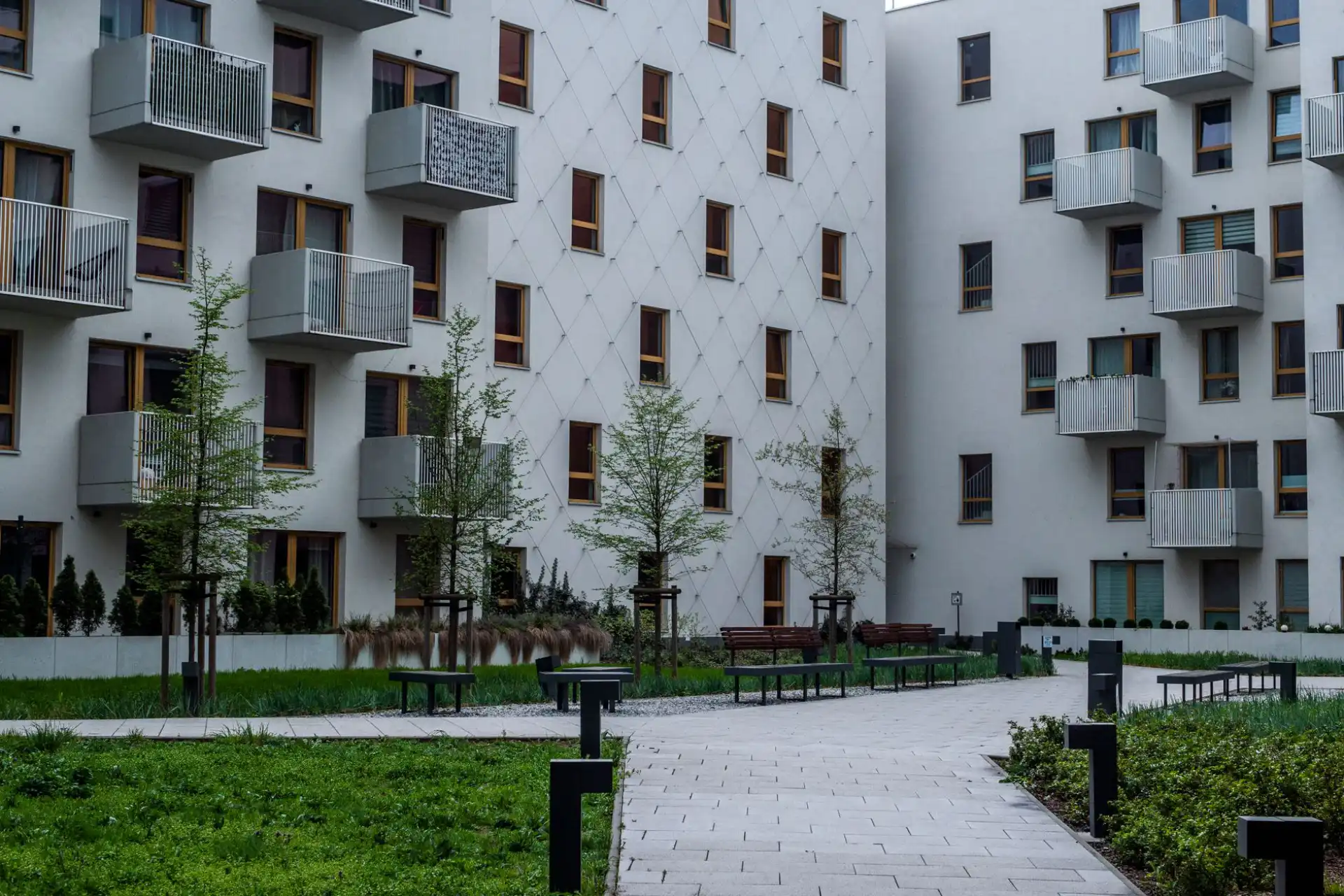
HOA Tree Services in Duluth, MN — Association, Apartment & Managed Property Tree Care
Common area canopy kept on a documented cycle, with residents notified and boards given something they can approve a budget against.
HOA Tree Services in Duluth, MN
Duluth Elite Treecare is a local resource for HOA and multi-family tree services throughout Duluth, the Twin Ports and the surrounding Northland. We help associations and property managers connect with experienced arborists for the tree work that keeps common areas safe, presentable and budgeted.
Tree work on managed property has a second problem attached to the first one. The tree question is ordinary — this limb is over that walkway, this ash is dead, this maple has a union that will split. The hard part is everything around it: a board that approves spending annually, residents who have opinions about specific trees, a boundary between common area and unit-owner responsibility that nobody can locate, and a management company that may change before the next round comes due. Work that is documented survives all of that. Work that was agreed verbally with a previous manager does not.
The practical consequence is that assessment matters more here than anywhere else. A walk of the common areas producing a per-tree condition note, a priority order and a cost against each item gives a board something it can actually vote on, and gives a manager a defensible answer when a resident asks why the tree outside their unit is or is not on the list. Without that, tree spending on managed property tends to be reactive — which costs more, arrives unpredictably, and generates exactly the disputes the association would rather avoid.
What’s Included in a Duluth HOA Tree Services Quote
- Common area canopy walk with per-tree condition notes, priority order and costs against each item
- A clear line between common area work and anything falling to individual unit owners
- Scheduled trimming rounds covering walkways, parking, building clearance and sightlines
- Removal of hazard trees and dead ash, phased across budget years where required
- Resident notification handled in advance, with parking and access arranged before the crew arrives
- Documented close-out per round for the association's records and the next manager
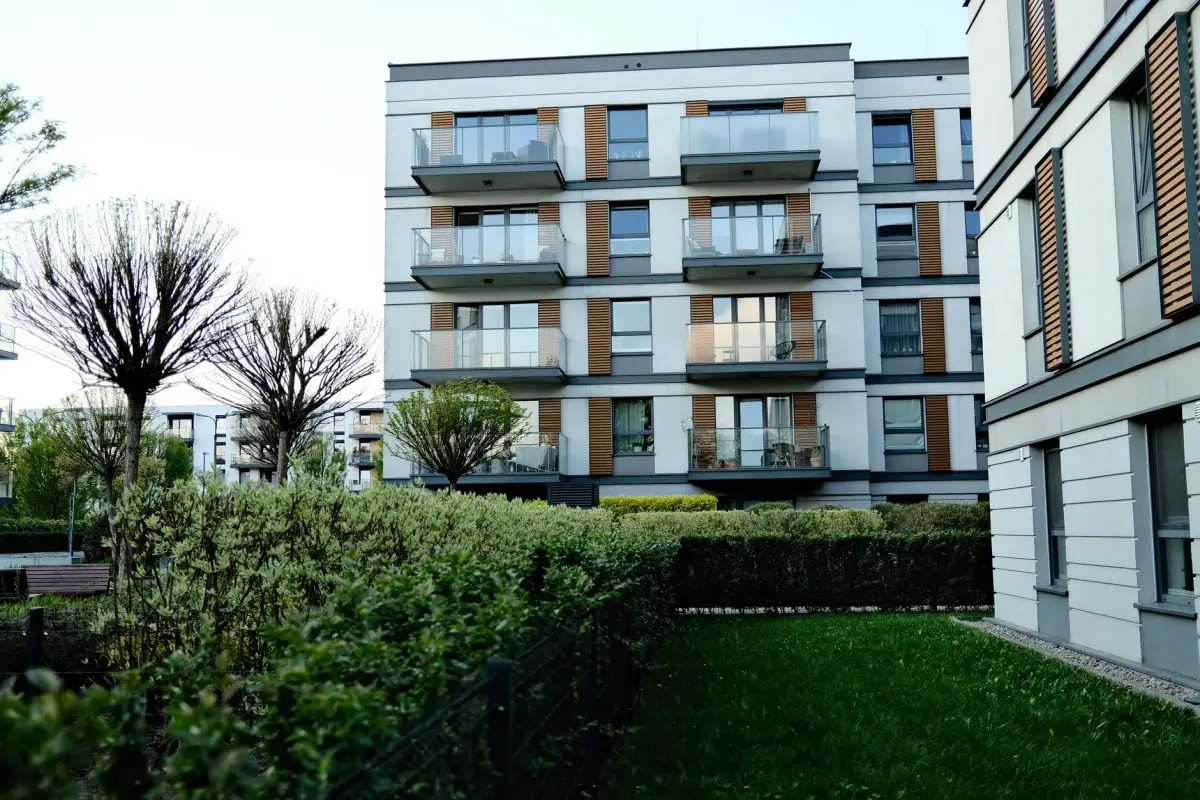
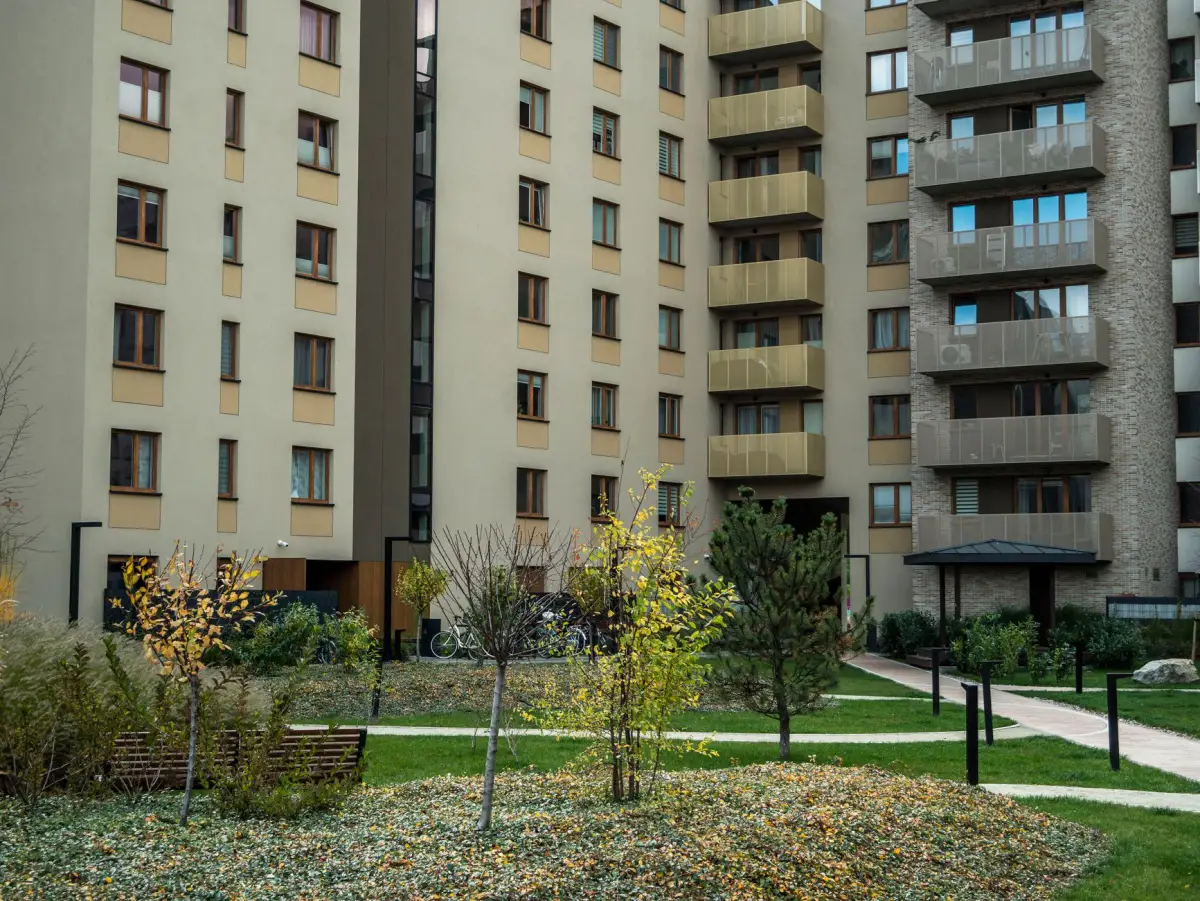
HOA & Multi-Family Tree Services in Duluth, MN
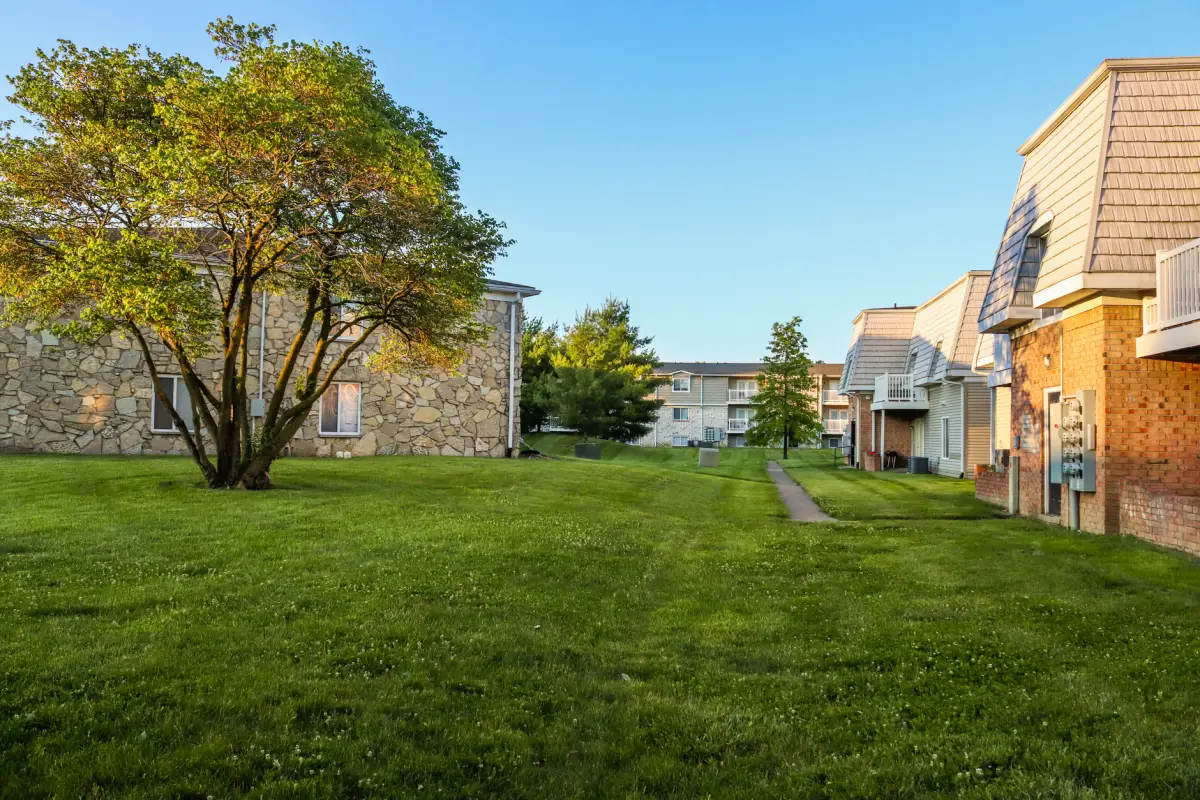
HOA Tree Trimming & Pruning
Association trimming runs as a documented round rather than tree by tree, because the alternative is a queue of individual resident requests with no consistent standard behind it. The round covers the common area canopy to a stated specification — clearance over walkways and drives, deadwood out over occupied ground, sightlines at intersections and entrances, and building clearance where limbs are against siding or into gutters. What makes it work on managed property is that the specification is written down and applies everywhere, so the answer to why one tree was pruned and another was not is a document rather than a judgement call anyone can dispute at the next meeting.
Apartment & Multi-Family Tree Services
Rental and multi-family sites differ from owner-occupied associations mainly in access and notice. Residents are not on a distribution list they read, cars are parked in the same stalls every night, and the site has to keep functioning while work happens. That pushes toward zoned working with real notice — signage on doors and in stalls days ahead, not a notice taped up the evening before — and toward scheduling around the times a lot is genuinely emptiest, which is rarely the middle of a weekday. The tree work itself is standard; the reason these jobs go wrong is almost always that the lot was not clear when the crew arrived.
Tree Removal for Managed Properties
Removals on managed property need a documented reason more than they need speed, because they are permanent, visible, and residents notice. A per-tree record naming the defect and the target — decayed stem over the visitor stalls, dead ash beside the mail kiosk — gives the board something to approve and the manager something to point at afterwards. Dead ash is the recurring case across Duluth associations since emerald ash borer was detected here in late 2015, and it is usually a set rather than a single tree, so grouping removals into one mobilisation costs meaningfully less than taking them one at a time as each becomes an obvious eyesore.
Common Area Tree Maintenance
The value on managed property is in the programme rather than any individual visit: an inventory of the common area canopy, a specification, an interval of two to four years, and a record after each round of what was done and what was noted. Associations change boards, management companies change hands, and the institutional memory about which trees were flagged three years ago evaporates with them. A site with a maintenance record gets consistent work and a defensible budget line; a site without one restarts every time somebody new arrives, and tends to discover its deferred problems through a failure rather than an assessment.
Storm & Emergency Tree Services for Managed Properties
After a storm the association's first problem is usually access and exposure rather than the trees — a blocked fire route, a hazard over a walkway residents will use regardless of signage, a limb hung up above the visitor parking. Those get cordoned and cleared first, and the site gets returned to function in zones. The reporting matters as much as the work here: photographs as found and as cleared, an itemised invoice separating emergency response from scheduled cleanup, and a note on which damaged trees need assessing later. Boards and insurers both work from documents, and storm response without them creates a dispute months afterwards.
Signs You Need HOA Tree Services
- Deadwood or a visible defect over a walkway, parking area or entrance residents use daily
- Dead or declining ash across the common areas, particularly where it was planted in groups
- Tree spending happening reactively, with unbudgeted invoices arriving after failures or complaints
- Resident requests about specific trees with no consistent standard for deciding which get actioned
- Roots lifting sidewalk panels or asphalt across common area pedestrian routes
- No record of when the canopy was last assessed, or a management change that lost the history
How HOA Tree Services Works
- 1
Walk the common areas and produce something a board can vote on
The assessment covers the whole common area canopy rather than the trees that generated complaints, and its output is a document rather than an impression. Each tree gets a condition note, the defect named where there is one, and the target described — which walkway, which stalls, which building, and how heavily used, because occupancy is what separates an urgent item from one that can wait a cycle. Then a priority order and a cost against each line, so the board is choosing between defined options rather than approving a lump sum. The boundary between common area and unit owner responsibility gets established at the same time, since on many Duluth associations nobody can locate it and it becomes an argument precisely when a tree fails.
- 2
Agree scope, phasing and who tells the residents
With a priority list approved, the work gets phased into what fits the current budget year and what is deferred with a documented reason rather than an arbitrary cut. Then scheduling, which on managed property is mostly a communication problem: zones set so only one area is out of use at a time, and notice given far enough ahead that vehicles are genuinely moved on the morning. Notice on doors and in the affected stalls several days out works; an email the previous evening does not. Responsibility for that notification gets assigned explicitly to the manager or the crew rather than assumed. Season factors in too — most species prune best in late winter into early spring, oaks are off the schedule April through July under the DNR's oak wilt guidance, and frozen ground carries equipment without rutting common area turf.
- 3
Work the site in zones and keep it usable
Each zone gets set up before cutting: stalls coned and confirmed empty, pedestrian routes rerouted rather than merely signed, and spotters where residents will come round a building corner into the work area. Pruning follows the written specification — clearance heights over walkways and drives, deadwood over occupied ground, building clearance where limbs are on siding or into gutters — with cuts at the branch collar and no topping. Removals are sectional dismantles almost every time, since common area trees rarely have a drop zone. Sites get cleared at the end of each working day rather than at the end of the job, because a lot half full of brush is a lot residents cannot use and generates exactly the complaints the round was meant to prevent.
- 4
Close out in writing for the association's records
The round finishes with a document: what was pruned in each zone and to what specification, what was removed and why, what condition issues were noted and left, and what is recommended before the next cycle with an indicative cost. That record does several jobs at once. It gives the manager an answer when a resident asks why the tree outside their unit was not touched. It gives the board a defensible budget line, which is usually the actual obstacle to approving tree work rather than any disagreement about whether it is needed. And it survives a change of management company, which on a Duluth association is a matter of when rather than whether — a site with a documented history gets consistent work, and a site without one starts from zero every few years.
What Do HOA Tree Services Cost in Duluth, MN?
- Size of the common area canopy and how many trees are on the round
- Whether the work is a scheduled cycle or a first assessment of a property with no maintenance history
- Number of removals, and whether dead ash can be grouped into a single mobilisation
- Access across the site, including whether a lift can reach common area trees or work has to be climbed
- How much parking and walkway has to be closed per zone, and whether work can happen during weekdays
- Resident notification requirements and any rescheduling caused by vehicles not being moved
- Whether the association wants documented reporting per round, which most boards and insurers expect
The expensive pattern on managed property is reactive spending — unbudgeted invoices arriving after a failure, a complaint or a storm, with no assessment behind them. A documented cycle every two to four years is a known figure at a known interval, which is easier to approve and easier to defend at a meeting. Ask for the assessment to carry a cost against each line rather than a single total, since a board approving a prioritised list can defer specific items with a stated reason instead of deferring the whole programme.
What to Look for in a Duluth HOA Tree Service Company
They produce something a board can vote on
A prioritised list with a cost against each line, not a lump sum. Boards defer whole programmes when they cannot defer individual items.
They establish the responsibility boundary
Common area versus unit owner. On most associations nobody can locate that line until a tree fails, which is the worst possible moment to find out.
They handle notification properly
Notice on doors and in stalls days ahead, with responsibility explicitly assigned. Jobs on managed property fail because the lot was not clear, not because of the trees.
They document every round
Associations change boards and management companies. A site with a record gets consistent work; one without restarts every few years.
They group ash removals
Dead ash on an association is almost never one tree. One mobilisation for the set costs materially less than taking them individually as each becomes an eyesore.
Residential & Commercial HOA Tree Services
Residential
Work on an individually owned lot within an association is usually the unit owner's rather than the association's. Establishing that boundary is part of the assessment — see the residential service pages for how single-property work is scoped.
Commercial
Homeowner and condominium associations, apartment and multi-family sites, and managed portfolios. Work runs as a documented cycle with resident notification, zoned scheduling and close-out reporting for the association's records.
When HOA Tree Services Isn’t the Right Call
- The tree is on an individually owned lot rather than in the common area. That is usually the unit owner's responsibility, and the association paying for it sets a precedent that is difficult to walk back. Establish the boundary before the work, not after.
- It is the boulevard trees on the property's frontage. Those belong to the city under City Code Section 35-28(a)(2) and neither the association nor its contractor may work on them.
- Anything is in contact with a power line. That is the utility's — Minnesota Power, CenturyLink or Charter — and is normally handled at no cost to the association.
- You want a single tree removed because a resident dislikes it. Removing a sound mature tree from common area is permanent, visible, and tends to generate more complaints than it resolves. It also reduces the property's value along with its shade.
- The board wants work started before it has been approved and residents notified. Managed property jobs fail on access rather than on trees, and a crew arriving to a full parking lot is a lost day billed to the association.
- You want an open-ended annual contract on a canopy that has never been assessed. Get the assessment first — it may show a two-to-four-year cycle is all the site needs.
Frequently Asked Questions
- Who is responsible for trees in an HOA — the association or the owner?
- It turns on the governing documents rather than on any general rule, and the practical answer is that most associations have not established it clearly. Common area trees are normally the association's; trees on individually owned lots normally are not; and the trouble sits with trees near the boundary, trees whose roots cross it, and limbs overhanging from one to the other. Establishing that line as part of an assessment is worth doing before a tree fails, because working it out afterwards is considerably more contentious.
- How often should an association's trees be assessed?
- A documented walk every two to four years suits most common area canopies, with the interval shortened where there are known defects, support systems installed, or a lot of declining ash. It is also worth a look after any significant wind or wet snow event. The reason to do it on a cycle rather than reactively is budgetary as much as arboricultural: a known figure at a known interval gets approved, while unpredictable invoices after failures do not build any confidence at the board.
- How do you handle notifying residents and clearing parking?
- Notice on unit doors and in the affected stalls several days ahead, with responsibility for issuing it assigned explicitly to either the manager or the crew rather than left assumed. An email the evening before does not clear a lot. Work is then zoned so only one area is out of use at a time and stalls are released back as each zone finishes. The most common cause of a lost day on managed property is a crew arriving to a parking area that was never emptied, and that cost lands on the association.
- We have a lot of dead ash across the property. How should we approach it?
- Group it. Emerald ash borer was detected in Duluth in late 2015 and sites that planted ash generally planted several, so this is a predictable set rather than a series of surprises. One mobilisation covering the group costs materially less than removing them individually as each becomes an obvious eyesore, and acting before they have been dead a season or two matters for method — a dead ash cannot be safely climbed and has to be worked from a lift, which raises the price the longer it stands.
- What documentation should we expect for the association's records?
- An assessment with per-tree condition notes, the defect and target described, a priority order and a cost against each line — so the board can defer specific items with a reason rather than deferring the whole programme. Then a close-out record per round covering what was done in each zone, what was noted and left, and what is recommended before the next cycle. That record is what survives a change of board or management company, and it is usually what makes the budget approvable in the first place.
- Can tree work be scheduled around residents' working hours?
- Yes, and on multi-family sites it usually has to be. The practical constraint is when the parking is genuinely emptiest, which is rarely the middle of a weekday on a rental property and rarely the weekend on an owner-occupied association. Season matters too: most species prune best in late winter into early spring, oaks are off the schedule April through July under the Minnesota DNR's oak wilt guidance, and frozen ground carries equipment without rutting common area turf.
Learn More
- City of Duluth — Emerald Ash Borer — Detection in Duluth in late 2015 and the city's management approach, useful background when planning ash removals across a common area.
- UMN Extension — Pruning Trees and Shrubs — Cut placement and pruning practice that a maintenance specification for common area trees should be written against.
- City of Duluth — Urban Forestry FAQs — Boulevard tree rules affecting association frontages, utility line clearance responsibility, and the city's position on disputes between neighbours.
Need HOA Tree Services in Duluth, MN?
Tell us what’s going on and get an on-site estimate — no charge for the visit, and no obligation to book the work.
Get My Free Estimate