Commercial Tree Trimming in Duluth, MN — Business, Retail & Managed Property Pruning
Clearance over parking, walkways and entrances, kept on a cycle rather than done when somebody complains. Scheduled around your hours.
Commercial Tree Trimming in Duluth, MN
Duluth Elite Treecare is a local resource for commercial tree trimming and pruning throughout Duluth, the Twin Ports and the surrounding Northland. We help business owners and property managers connect with experienced arborists for the scheduled crown work that keeps a commercial site clear, safe and presentable.
Commercial trimming works best as a cycle and worst as a reaction. Trees on a business site have a set of clearance requirements that do not change — trucks need height over the drive lane, pedestrians need it over the walk, signage needs to be visible from the road, lighting needs to reach the ground, and cameras need an unobstructed view. Those get met by pruning on a schedule, which costs less and looks better than waiting until a delivery truck tears a limb off or a tenant reports that the parking lot is dark under the trees.
The trees themselves are usually under more stress than their residential counterparts, and that changes what good pruning looks like. Parking lot trees live in small volumes of compacted soil, surrounded by heat-radiating asphalt, taking road salt through the winter and often getting their planting island used for snow storage. A tree in that situation has less capacity to recover from heavy pruning than the same species in a lawn, so the work is lighter and more frequent rather than aggressive and occasional. Taking a third of the crown off a stressed parking lot maple to buy four years of clearance is a good way to lose the tree.
What’s Included in a Duluth Commercial Tree Trimming Quote
- Crown raising for height clearance over drive lanes, delivery routes, walkways and entrances
- Sightline pruning for signage, monument signs, lighting, cameras and site entrances
- Deadwood removal across the site's canopy, prioritised over occupied areas
- Crown thinning and reduction on trees carrying too much end weight for their condition
- Work staged by zone around business hours, deliveries and tenant access
- Debris cleared and hard surfaces blown clean at the end of each working day
Commercial Tree Trimming & Pruning in Duluth, MN
Routine Commercial Tree Trimming
The point of a routine round is that nothing on the site ever becomes urgent. A cycle of every two to four years across a commercial canopy keeps clearances met, takes deadwood out before it lands on anything, and catches structural problems while the cut is still small. It is also easier to budget than reactive work, because it is a known figure at a known interval rather than an unplanned invoice after something fails. What distinguishes it from residential trimming is scope discipline: the round covers the whole canopy to an agreed specification, with a documented list of what was done and what was noted for next time, rather than working tree by tree as complaints arrive.
Parking Lot Tree Trimming
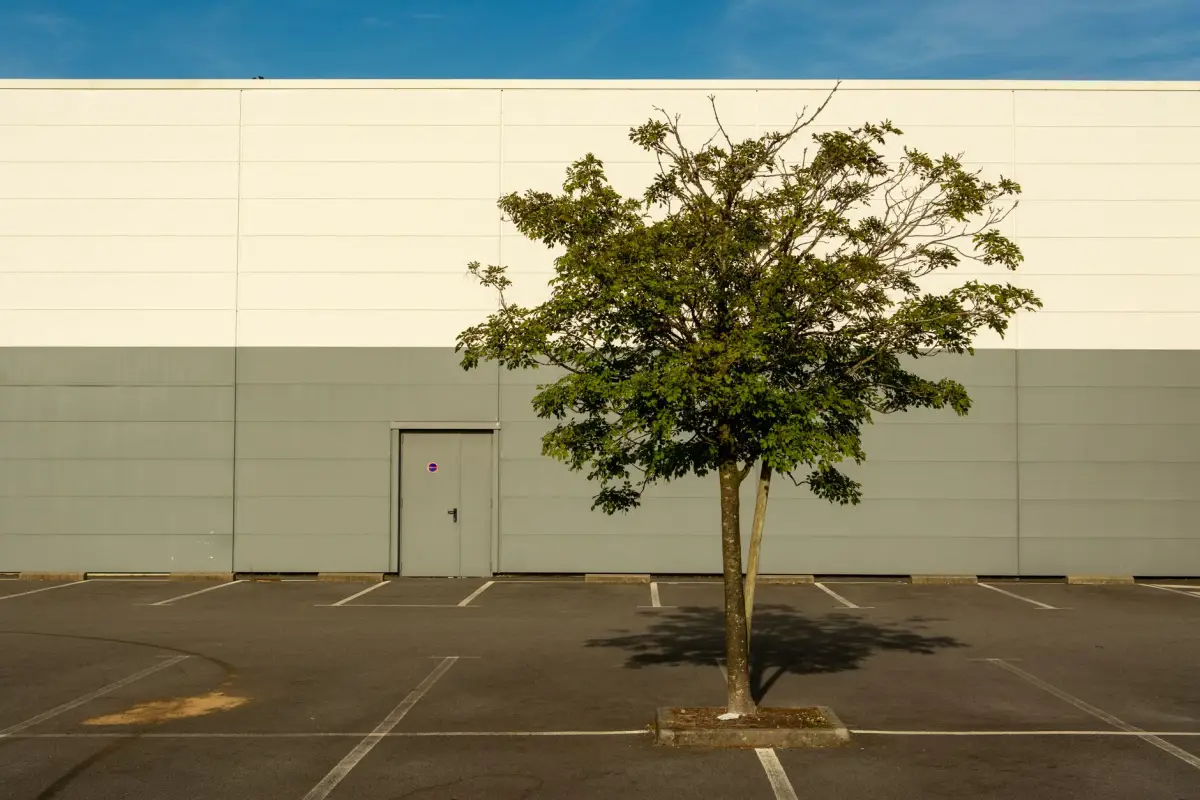
Parking lot trees need clearance in three directions and have the least capacity to give it. Vertical clearance over drive lanes for delivery vehicles, lateral clearance so limbs are not scraping parked cars, and enough light penetration that the lot's lighting reaches the ground at night — which is a security and liability issue, not an aesthetic one. The constraint is the growing environment: restricted root volume, compacted soil, reflected heat off asphalt, road salt through a Duluth winter, and islands frequently used to pile snow. Those trees are already stressed, so the correct approach is lighter pruning more often. Heavy reduction on a parking lot tree to buy several years of clearance tends to cost the tree.
Tree Clearance Around Commercial Buildings
Limbs against a building create problems that are not obvious until they are expensive: abrasion on siding and roofing, blocked gutters that back up under a wet snow load, moisture held against a wall where the canopy prevents drying, and a path onto the roof for anything that climbs. Clearance work pulls the crown back from the structure, off rooftop units and entrance canopies, and away from glazing. The judgement is how far — pruning back hard to buy a decade produces a mass of weak regrowth heading straight back at the building, so the maintainable distance on a two-to-four-year cycle is usually a better answer than the maximum distance achievable in one visit.
Branch Clearance Over Roads & Walkways
Anywhere the public passes underneath, clearance is a duty-of-care matter rather than a preference. Walkways need enough height that nobody ducks and enough width that nobody steps into a drive lane to get round a limb; drive lanes and delivery routes need height for the largest vehicle that actually uses them, which is usually taller than anyone estimates. Crown raising achieves it by removing whole lower branches at the collar rather than heading them back to stubs. The limit is how much lower crown a tree can lose without an unbalanced result — raising too high leaves a tree with a lollipop crown, more end weight and less taper, which is worse under Duluth's wet snow loading.
Commercial Property Tree Maintenance
This is the programme rather than the visit: a documented inventory of what is on the site, a specification for each area, an interval, and a record after each round of what was done and what was flagged. It matters because commercial properties change hands, change managers and change tenants, and institutional memory about the trees evaporates every time. A site with a maintenance record gets consistent work; a site without one gets whatever the current manager thinks is needed. The record also makes the budget defensible, which is frequently the actual obstacle to getting tree work approved rather than any disagreement about whether it is required.
Signs You Need Commercial Tree Trimming
- Delivery vehicles catching limbs on the drive lane, or drivers routing around a low branch
- Parking lot lighting no longer reaching the ground because the canopy has closed over it
- Monument signage or the site entrance obscured from the road
- Limbs touching the building, over rooftop units, or dropping debris into gutters
- Pedestrians stepping off a walkway into a drive lane to get around low growth
- Deadwood visible over parking stalls, entrances or anywhere the public stands
How Commercial Tree Trimming Works
- 1
Inventory the canopy and set a specification per area
Commercial trimming starts with knowing what is on the site, because pruning to a general instruction produces inconsistent results across a canopy that has different requirements in different places. The site gets divided by function — drive lanes, parking bays, pedestrian routes, building perimeter, sign and entrance sightlines, boundary planting — and each gets a clearance specification. Drive lane heights are set from the largest vehicle that actually uses the route rather than an assumed one. Then each tree's condition is noted, because specification has to bend to capacity: a stressed parking lot tree cannot give the same clearance in one visit as a healthy lawn tree, and pretending otherwise produces either an unmet spec or a damaged tree.
- 2
Schedule around the site, not around the crew
Work gets zoned so the site loses one area at a time, and the calendar is set by the business rather than by the convenience of the round. Retail avoids weekends and holiday build-ups; offices work early or on quieter days; anywhere with deliveries has bays and windows that cannot be blocked. Tenants and staff get notified with enough lead time that vehicles are genuinely moved on the morning. Season gets factored in as well: most species prune best in late winter into early spring per UMN Extension, frozen ground carries equipment without rutting turf, and oaks come off the schedule entirely from April through July under the Minnesota DNR's oak wilt guidance.
- 3
Prune to the specification, within the tree's capacity
The cuts are the same craft as anywhere: just outside the branch collar, no flush cuts, no stubs, reduction back to a lateral at least a third the diameter of the limb removed. Crown raising takes lower limbs off at the collar rather than heading them back. Deadwood comes out throughout, prioritised over occupied ground. The commercial-specific discipline is restraint — parking lot and street-side trees are growing in restricted root volume, compacted soil, reflected heat and winter salt, and they recover from heavy pruning far more slowly than the same species in a lawn. Light and frequent beats heavy and occasional. Where a tree cannot meet the clearance spec without excessive removal, that gets reported rather than forced, because the honest options are a different spec or eventually a different tree.
- 4
Clear daily and hand back a record
Brush is chipped as it comes down and each zone is left clean at the end of the working day, with stalls and walkways released back as work moves rather than held for the duration. Hard surfaces get blown clean so the site opens normally the following morning. The deliverable at the end is a record: what was pruned in each zone, to what specification, what condition issues were noted, and what is recommended before the next round. That document is what makes the next visit consistent regardless of who is managing the property by then, and it is usually what makes the budget approvable, since a line item with a documented reason survives review better than a recurring cost with none.
What Does Commercial Tree Trimming Cost in Duluth, MN?
- Number and size of trees, and how much of the canopy is on the maintenance round
- Clearance specification — height over drive lanes and walkways, and how far back from buildings
- Whether the site can be worked in daylight during business hours or needs out-of-hours scheduling
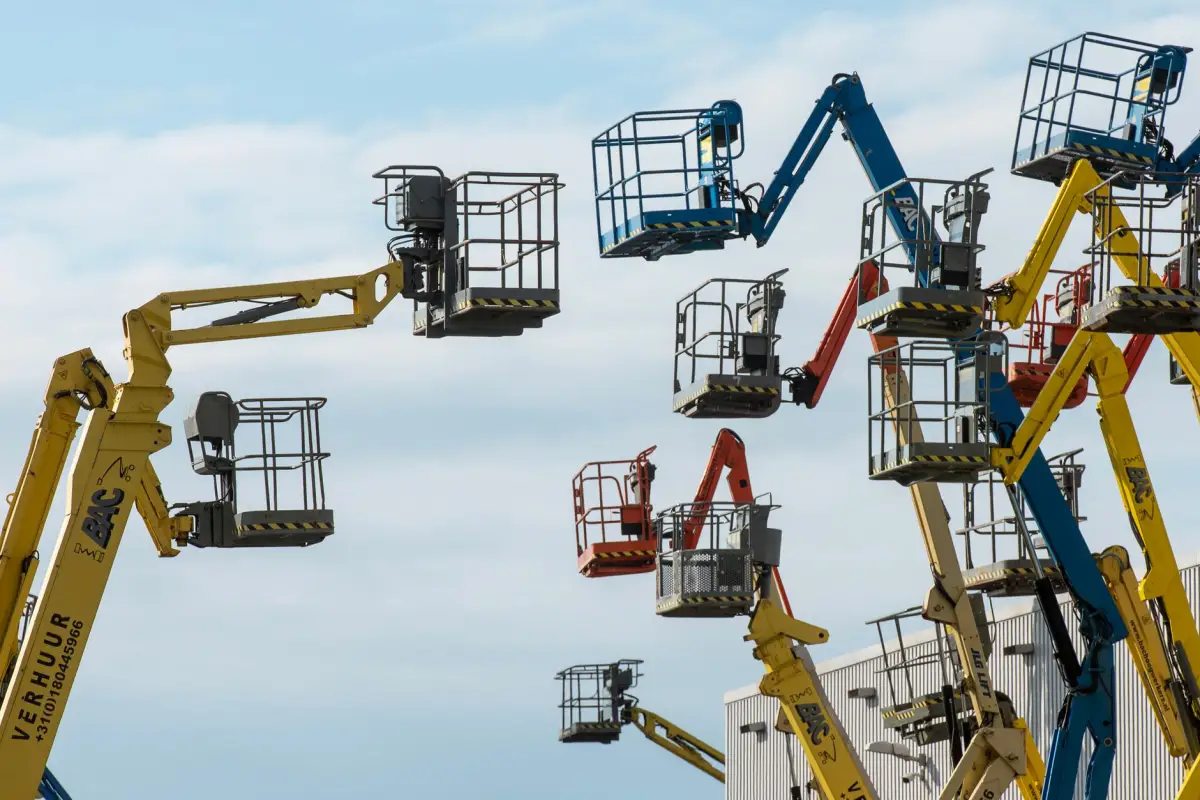
- Access for a lift, which is far more efficient than climbing across a large site canopy
- How many zones the site divides into and how much parking each closure removes
- Condition of the trees, since stressed parking lot trees need lighter, more frequent work
- Interval — a site on a two-to-four-year cycle costs less per visit than one pruned reactively
Reactive trimming is the expensive way to maintain a commercial canopy, and the cost shows up somewhere other than the tree budget — a torn limb after a delivery truck catches it, a dark parking lot, a complaint about the entrance sightline. A round every two to four years is a known figure at a known interval and is easier to defend at budget than an unpredictable series of callouts. Where a quote comes in low, check the specification rather than the price: pruning to "tidy up" and pruning to a stated clearance height are different jobs.
What to Look for in a Duluth Commercial Tree Trimming Company
They work to a written specification
Clearance heights per zone, stated in feet. "Trim the trees" produces a different result every round and from every crew.
They prune parking lot trees lightly
Restricted roots, compacted soil, reflected heat and winter salt. A crew that treats a lot tree like a lawn tree will get clearance now and a dead tree later.
They will not top for clearance
Heading limbs to stubs buys distance from the building and returns weak regrowth heading straight back at it. Reduction to a lateral is the real answer.
They keep the oak calendar
The Minnesota DNR asks that oaks not be cut April through July. A maintenance round that ignores that is scheduling around the crew, not the trees.
They hand back a record
Commercial properties change managers. A site with documentation gets consistent work; a site without one starts over every time somebody new arrives.
Residential & Commercial Commercial Tree Trimming
Residential
Residential trimming is scoped per tree on a single property rather than as a site round. See the residential tree trimming page for how that work is assessed and priced.
Commercial
Retail centres, office parks, industrial sites, institutional grounds and managed portfolios. Work is zoned around occupancy, pruned to a written clearance specification, and documented so the next round is consistent.
When Commercial Tree Trimming Isn’t the Right Call
- The limbs are into a power line. Line clearance belongs to the utility that owns it — Minnesota Power, CenturyLink or Charter — not to a tree service, and it is normally done at no cost to the property.
- It is the boulevard trees on your frontage. Those are city-maintained under City Code Section 35-28(a)(2) and businesses are not permitted to work on them.
- You want the trees topped or hard-headed to keep them off the building permanently. That produces weak regrowth heading straight back at the structure and a tree in decline. If a tree is genuinely wrong for the space, removal and replanting with something appropriate is the honest answer.
- It is oaks and it is April through July. The Minnesota DNR asks that oaks not be pruned or cut in that window because of oak wilt. Unless a limb is an active hazard, it waits.
- One low branch is catching delivery trucks. That is a single cut, not a maintenance round, and it should be priced as such.
- The trees on the site are already declining past the point where pruning helps. Trimming a failing canopy postpones a removal budget rather than replacing it.
Frequently Asked Questions
- How often should commercial trees be trimmed?
- Every two to four years for most commercial canopies, with the interval set by species, growth rate and how tight the clearance requirements are. Fast-growing trees over a drive lane come round sooner than boundary planting nobody walks under. The case for a cycle rather than reactive work is that it is a known figure at a known interval, which is easier to budget and defend than an unpredictable series of callouts after something fails or somebody complains.
- Can trimming be done outside business hours?
- Yes, and on retail and hospitality sites it is often the only practical option. Early mornings before opening and quieter weekdays are the usual choices. Raise it before the quote rather than after, since out-of-hours work changes the price and sometimes the method — in a Duluth winter the daylight window is narrow enough that lighting becomes a genuine consideration for anything scheduled early or late.
- Why do parking lot trees need different treatment?
- They are growing in a much harder environment than the same species in a lawn: restricted root volume in a small island, compacted soil, heat reflected off surrounding asphalt, road salt through the winter, and islands often used to pile ploughed snow. A tree under that much stress recovers slowly from heavy pruning. The right approach is lighter work more frequently. Taking a third of the crown off a stressed lot tree to buy four years of clearance is a common way to end up removing it instead.
- What clearance heights should we be maintaining?
- It depends on the route rather than a single number. Drive lanes and delivery routes should clear the tallest vehicle that actually uses them, which is usually higher than estimated — worth checking against real delivery vehicles rather than assuming. Pedestrian walkways need enough height that nobody ducks and enough width that nobody steps into traffic to pass a limb. Sightlines to signage and site entrances, and light penetration from lot lighting, are the two that get overlooked until they cause a problem.
- Will trimming fix a tree that keeps dropping limbs in snow?
- Often, if it is done as reduction and thinning rather than as clearance work. Wet lake-effect snow off Superior loads conifers far harder than dry inland snow, and the limbs that fail are the ones already carrying too much weight at the ends. Pulling that weight in toward the trunk and opening the crown so snow and wind pass through is the useful intervention. What makes it worse is crown raising taken too far, which leaves a top-heavy tree with less taper.
- Do you provide documentation for property management records?
- A record per round of what was pruned in each zone, to what specification, what condition issues were noted and what is recommended before the next visit. It matters more on commercial ground than residential because properties change managers and tenants regularly, and the site's history disappears with them. It also tends to be what gets the budget approved, since a recurring line item with a documented reason survives review better than one without.
Learn More
- UMN Extension — Pruning Trees and Shrubs — Cut placement, crown raising and reduction technique, and the seasonal timing that applies to a scheduled maintenance round.
- Minnesota DNR — Oak Wilt — Why oaks should be kept off the maintenance schedule from April through July, and how oak wilt spreads to fresh cuts.
- City of Duluth — Urban Forestry FAQs — Boulevard tree responsibilities on commercial frontages and confirmation that utility line clearance sits with the utility owner.
Need Commercial Tree Trimming in Duluth, MN?
Tell us what’s going on and get an on-site estimate — no charge for the visit, and no obligation to book the work.
Get My Free Estimate